

Spotted Redshank
Tringa erythropus
A striking wader that turns almost entirely sooty black with fine white spots in breeding plumage, transforming to pale gray in winter.
- Feather type
- Contour and flight feathers
- Colours
- Sooty black with white spotting (breeding); pale gray (winter)
- Bird size
- Medium-large sandpiper, ~29-33 cm
Found a feather like this?
Identify any feather from a photo, free.
Overview
Overview
The Spotted Redshank undergoes one of the most dramatic plumage transformations among shorebirds, appearing nearly all sooty black with fine white speckling during the breeding season, then molting into a much paler gray-and-white non-breeding plumage. Its long, fine, slightly drooped bill and long dark red legs are useful features across both plumage states. Widespread across northern Eurasia in the breeding season, it winters more widely across warmer regions.
It is often found alongside Common Redshanks and Greenshanks, requiring attention to bill shape and leg color for confident separation outside the breeding season.
Identifying the Feather
Feather Identification
- Breeding plumage: Body feathers are sooty black to blackish-gray, finely spotted and edged with white, especially on the back and scapulars, giving a distinctive dark, speckled appearance unlike any other Tringa species.
- Non-breeding plumage: Pale gray upperparts with fine dark streaking, and clean white underparts, much plainer than the breeding pattern.
- Bill: Long, fine, and slightly drooped at the tip, with a reddish base, differing from the straighter bill of the Common Redshank.
- Legs: Long and dark red, darker than the bright orange-red of the Common Redshank.
- Compared to similar species: The nearly black breeding plumage is unmistakable; in winter, the finer, drooped bill tip and darker red legs separate it from the Common Redshank.
Plumage & Molt
Plumage Notes
Breeding adults are famously almost entirely sooty black, finely flecked with white on the upperparts, a striking departure from the plumage of related species. After the post-breeding molt, birds become pale gray above and white below, with only fine streaking remaining on the flanks. Sexes look similar in plumage. Juveniles show a barred, brownish-gray pattern quite different from either adult plumage, requiring a full molt to resemble adults.
Habitat & Range
Habitat & Range
Spotted Redshanks breed in subarctic and boreal wetlands across northern Scandinavia and Russia, favoring bog pools and marshy tundra edges. They migrate widely to winter across southern Europe, Africa, the Middle East, and southern Asia, favoring shallow freshwater and brackish wetlands, marshes, and flooded pools.
Behavior & Field Notes
Behavior & Field Notes
This species often forages by wading in deeper water than many related sandpipers, sometimes swimming briefly, and may sweep its bill side to side or peck rapidly at small fish and invertebrates. Its call is a distinctive, sharp "chu-it" note, useful for identification even when the bird is not clearly visible. Nesting occurs on the ground in open subarctic wetland habitat, often well hidden among low vegetation.
Frequently asked questions
What color are Spotted Redshank feathers in breeding season?
They are sooty black to blackish-gray, finely spotted and edged with white, giving an almost entirely dark appearance unique among Tringa sandpipers.
Do Spotted Redshank feathers stay black year-round?
No, after breeding the plumage molts to pale gray upperparts and white underparts, much plainer than the striking breeding pattern.
How do I tell a Spotted Redshank from a Common Redshank in winter plumage?
Look for a finer, more drooped bill tip and darker red legs on the Spotted Redshank, versus the straighter bill and brighter orange-red legs of the Common Redshank.
Where would I find a Spotted Redshank feather?
Near marshes, estuaries, and flooded pools across its wintering range in southern Europe, Africa, the Middle East, and southern Asia.
Spotted Redshank guides
In-depth guides for identifying and understanding Spotted Redshank.

Other feathers you may enjoy
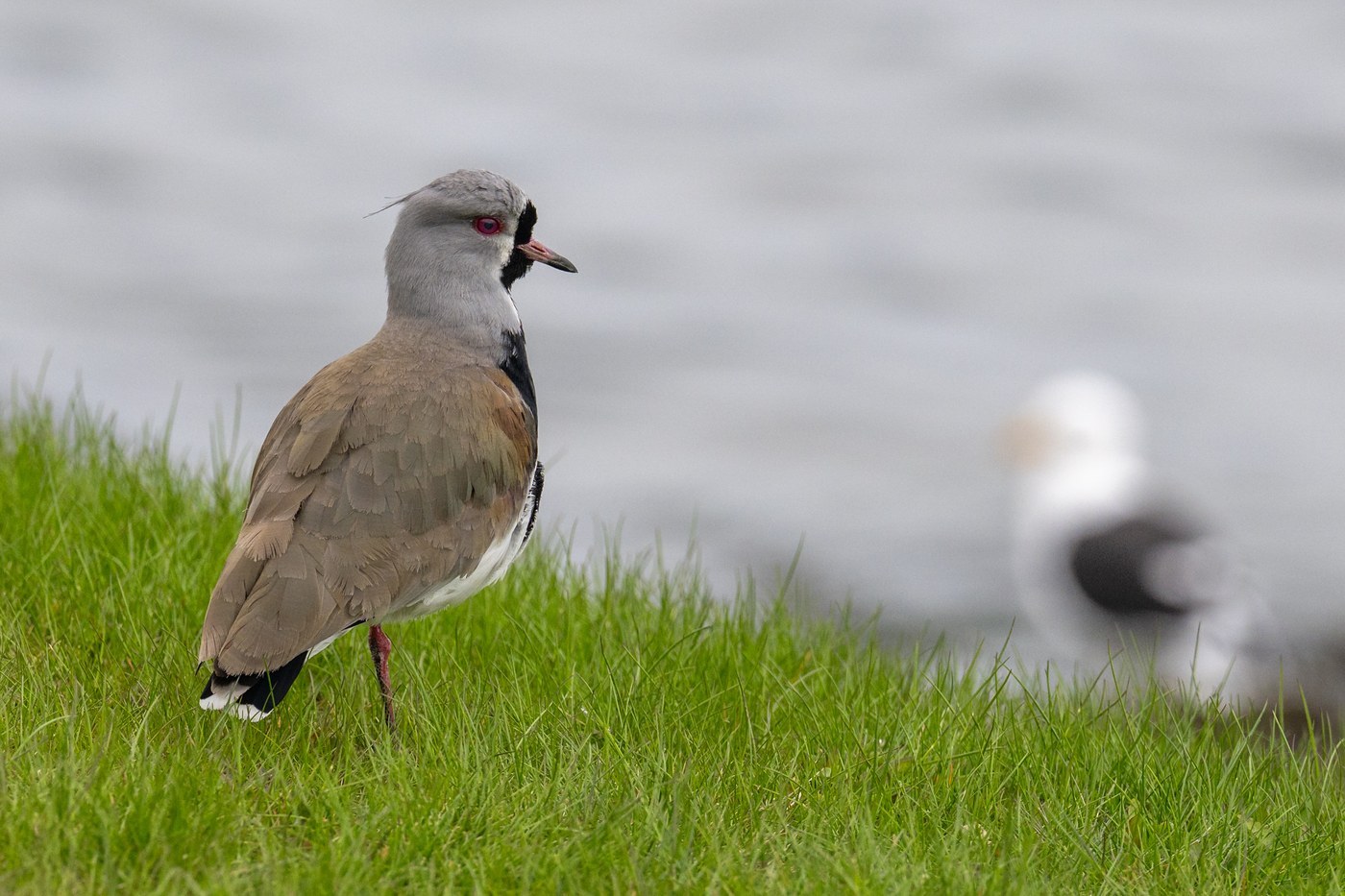
Southern Lapwing
Body, flight, and tail feathers

Jack Snipe
Body and flight feathers

Far Eastern Curlew
Body, flight, and tail feathers

Terek Sandpiper
Body and flight feathers

Wilson's Phalarope
Body and flight feathers
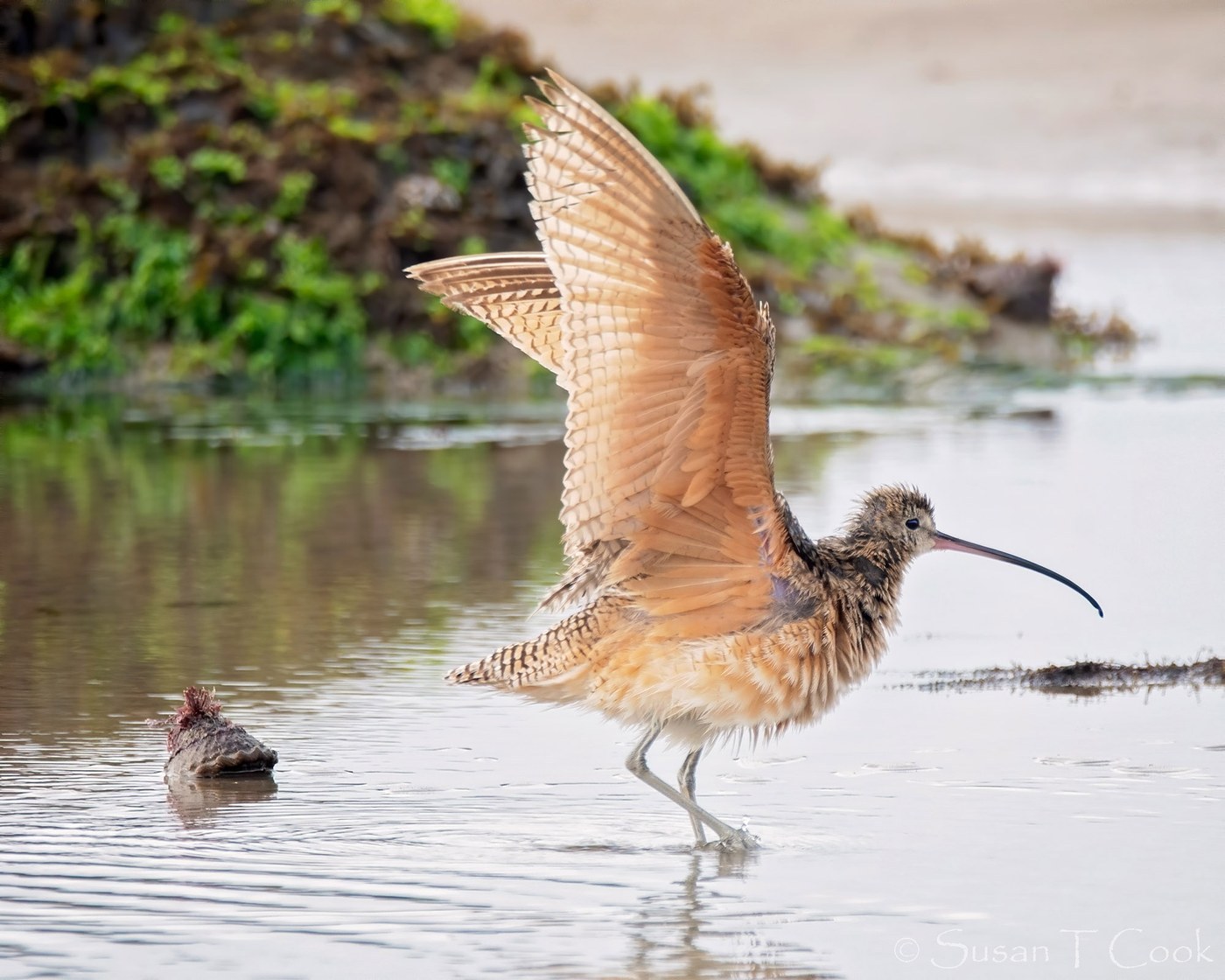
Long-billed Curlew
Body, flight, and tail feathers

Upland Sandpiper
Body, flight, and tail feathers

Red Phalarope
Body and flight feathers

Eurasian Dotterel
Body feathers
Masked Lapwing
Body, flight, and tail feathers
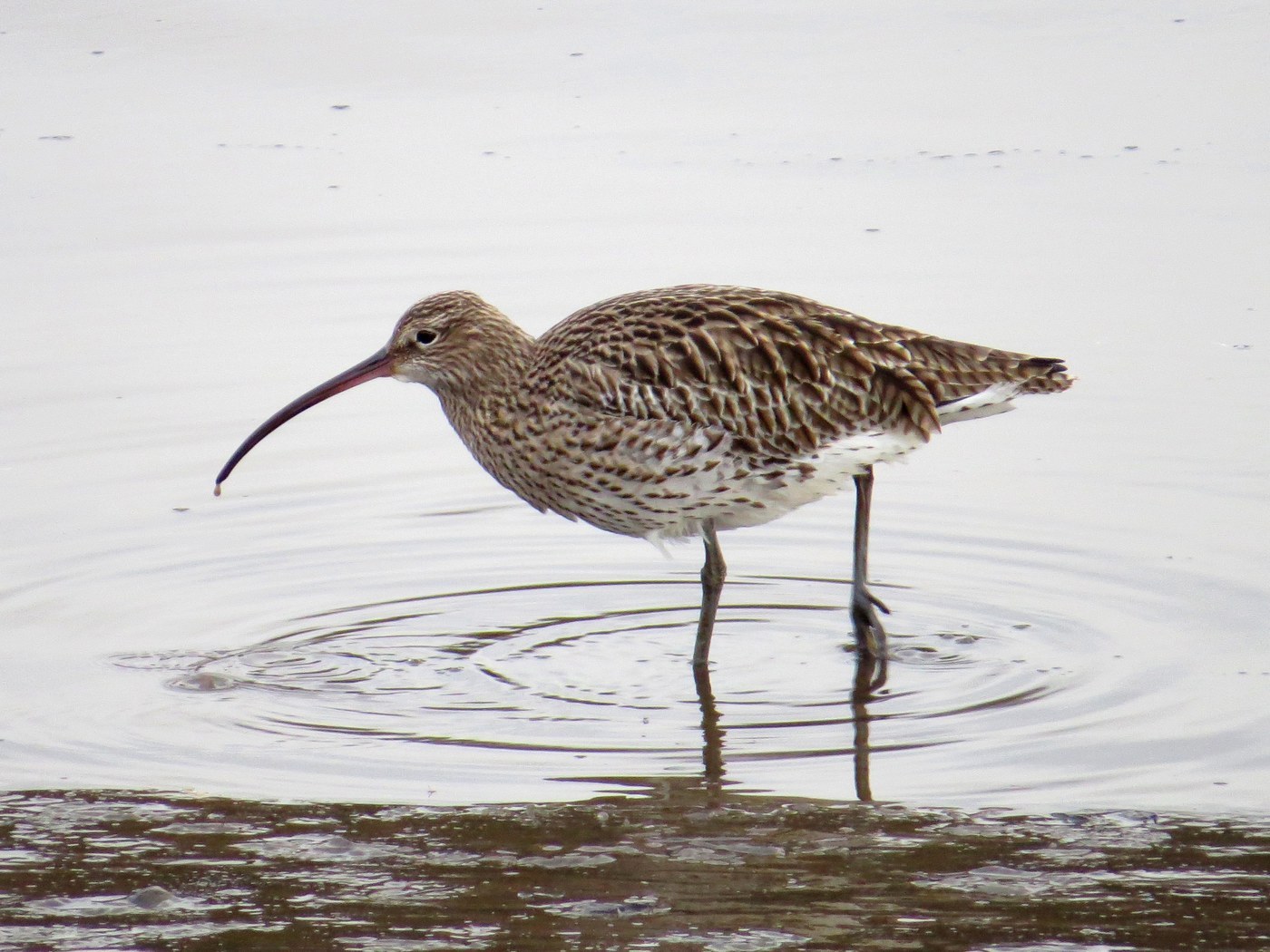
Eurasian Curlew
Body, flight, and tail feathers
Solitary Sandpiper
Contour and flight feathers