
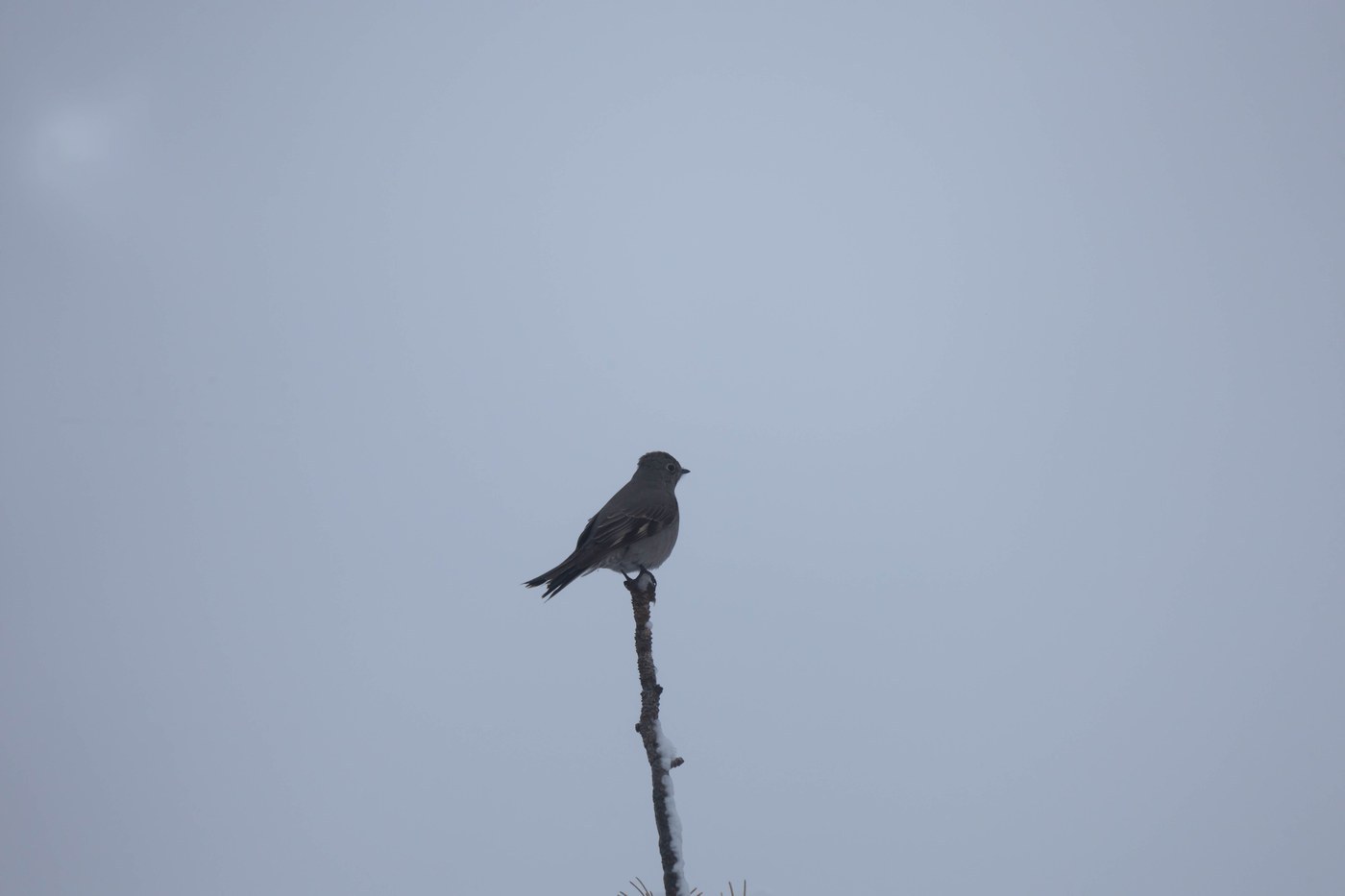
Townsend's Solitaire
Myadestes townsendi
A slender, uniformly gray thrush relative of western mountains, identified by its bold white eye-ring, long tail, and buffy wing patch visible in flight.
- Feather type
- Soft, uniformly toned body feathers with a subtle buffy wing patch
- Colours
- Overall gray, with a bold white eye-ring and buffy-orange wing patch
- Bird size
- Robin-sized, ~21-23 cm
Found a feather like this?
Identify any feather from a photo, free.
Overview
Townsend's Solitaire is a slim, understated gray songbird found in coniferous forest and juniper woodland across the mountains of western North America. Unlike its more colorful thrush relatives, it relies on subtle features—an unbroken white eye-ring, a long tail, and a hidden wing patch—for identification, along with its habit of sitting upright and motionless on high, exposed perches.
Identifying the Feather
- Body feathers: Uniform gray overall, without strong markings on the back or breast.
- Facial feathers: A bold, complete white eye-ring stands out against the plain gray face.
- Wing feathers: Black flight feathers with a buffy-orange patch, visible mainly in flight or when the wing is spread.
- Tail feathers: Long and dark, edged with white outer tail feathers visible in flight.
- Compared to similar species: The plain gray body combined with a bold white eye-ring and long tail separates it from other thrushes, which show more strongly patterned or colored plumage.
Plumage & Molt
Sexes look alike, both showing overall gray plumage, a bold white eye-ring, and a hidden buffy-orange wing patch visible chiefly in flight. Juveniles show pale spotting typical of young thrushes before molting to the plainer adult gray plumage in their first fall. A single complete molt after breeding maintains this understated gray coloring, which shows little seasonal variation.
Habitat & Range
Townsend's Solitaires breed in coniferous forest, often near open areas, cliffs, or rocky slopes in mountain ranges from Alaska and western Canada south through the western United States. In winter, many individuals move to lower elevations, favoring juniper woodland where fruit is abundant, and some populations shift only short distances rather than undertaking long migrations.
Behavior & Field Notes
This species often perches upright and motionless on exposed treetops, fence posts, or rocky outcrops, sallying out to catch flying insects in summer. In winter, it feeds heavily on juniper and other berries, often defending a fruiting tree as an individual feeding territory. Its song is a long, warbling series of clear notes, often delivered from a high perch. Nests are typically placed on the ground or in a bank, often sheltered by rocks or roots.
Frequently asked questions
What is the best way to identify a Townsend's Solitaire?
Look for an overall plain gray body, a bold complete white eye-ring, and a long tail, often seen perched upright on an exposed perch.
Where can the buffy wing patch be seen?
The buffy-orange wing patch is largely hidden at rest and becomes visible mainly when the bird is in flight or spreads its wings.
What habitat does it use in winter?
In winter, many individuals move to lower-elevation juniper woodland, where they feed heavily on berries.
How does this species forage?
It often catches flying insects in the air during summer and switches to feeding heavily on fruit, especially juniper berries, in winter.
Townsend's Solitaire guides
In-depth guides for identifying and understanding Townsend's Solitaire.
Other feathers you may enjoy

Yellow-breasted Bunting
Contour and flight feathers, chestnut-and-yellow breeding pattern
Sedge Wren
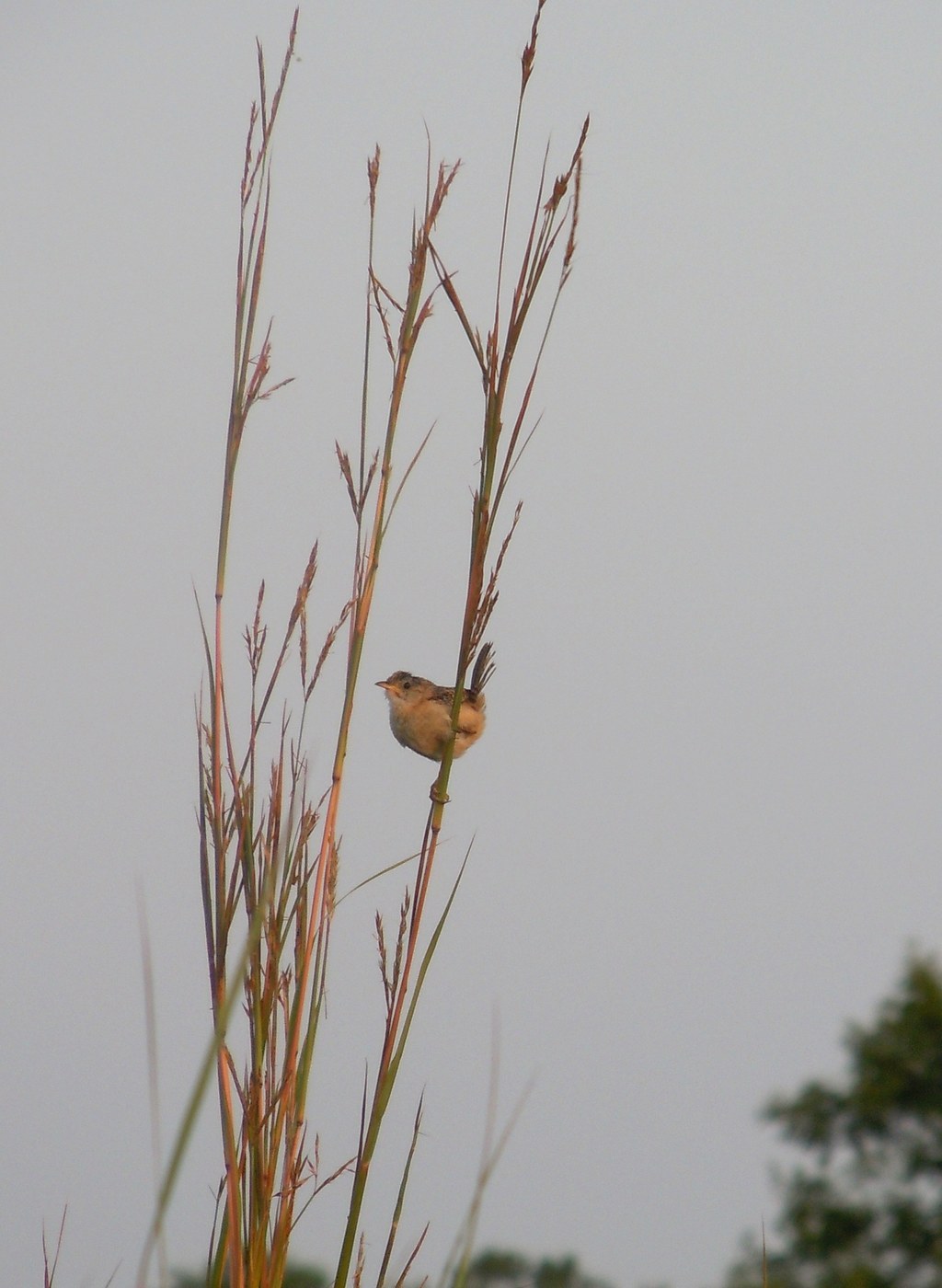
Tiny streaked crown and back feathers

Yellow-winged Cacique
Glossy black body feathers, yellow wing patch, shaggy crest

Yellow Warbler
Small contour and flight feathers
Yellow-throated Warbler
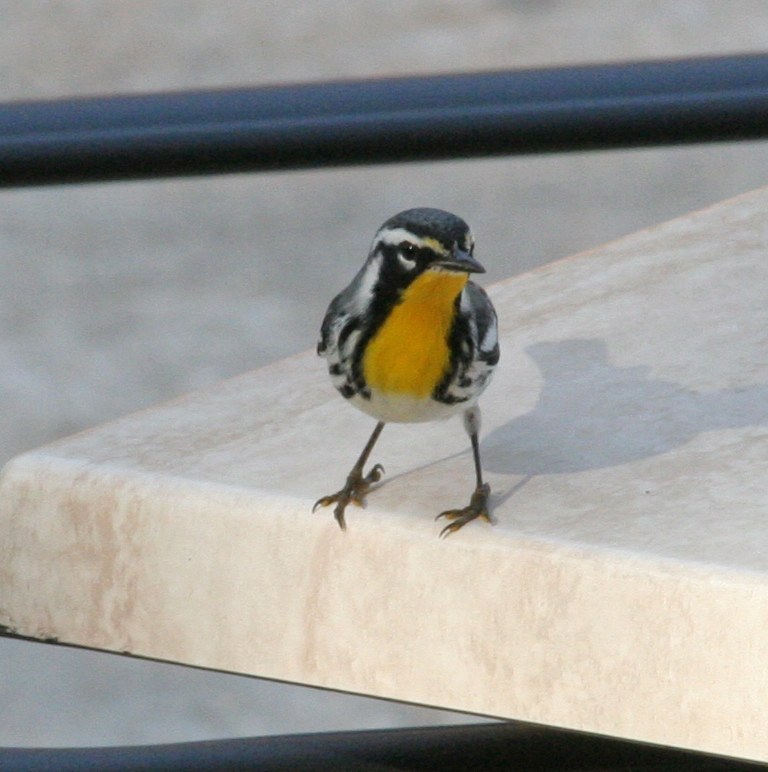
Small contour and flight feathers
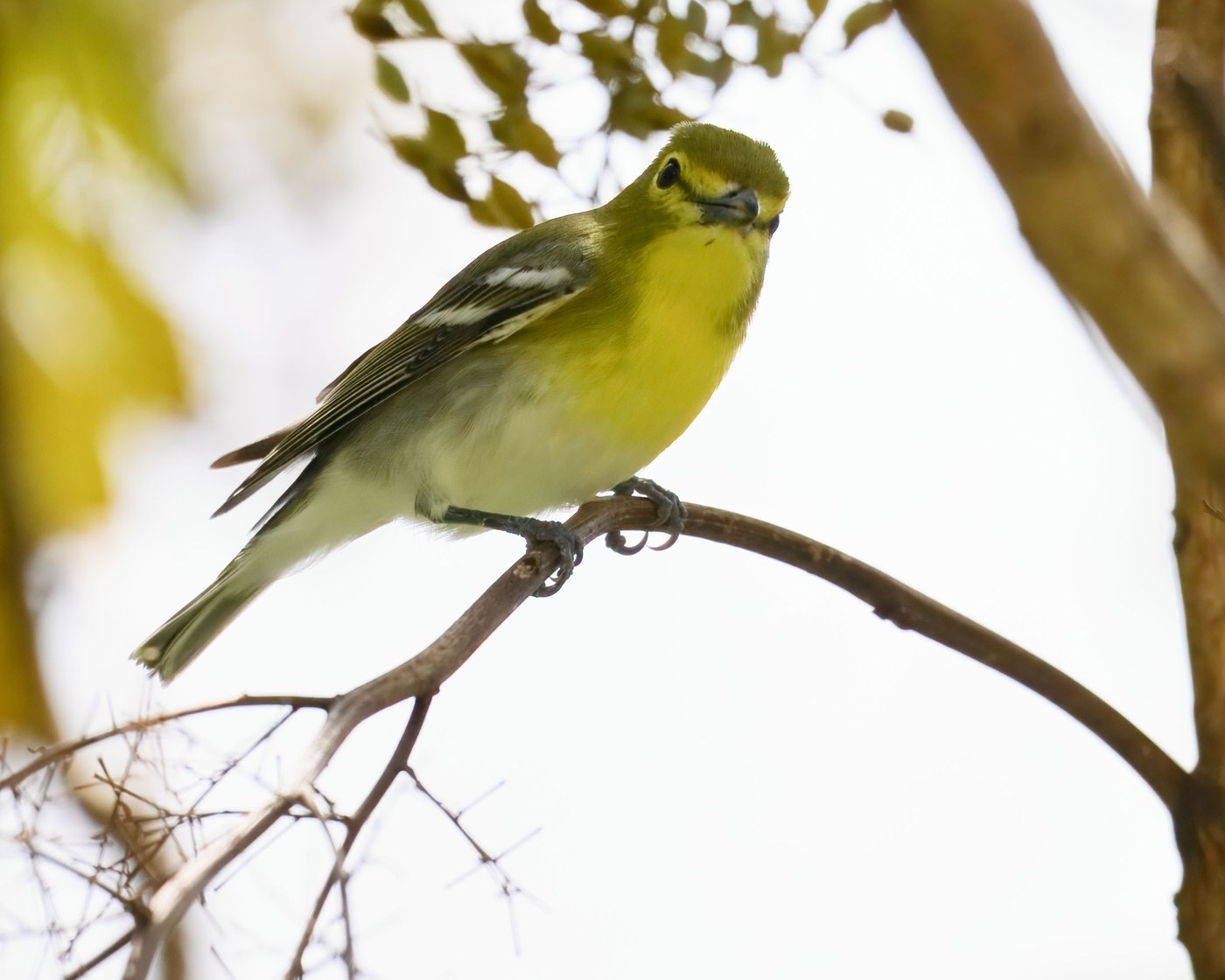
Yellow-throated Vireo
Bright yellow throat and spectacle feathers; olive-green back feathers; two white wing-bar feathers

Yellow-rumped Warbler
Small contour and flight feathers
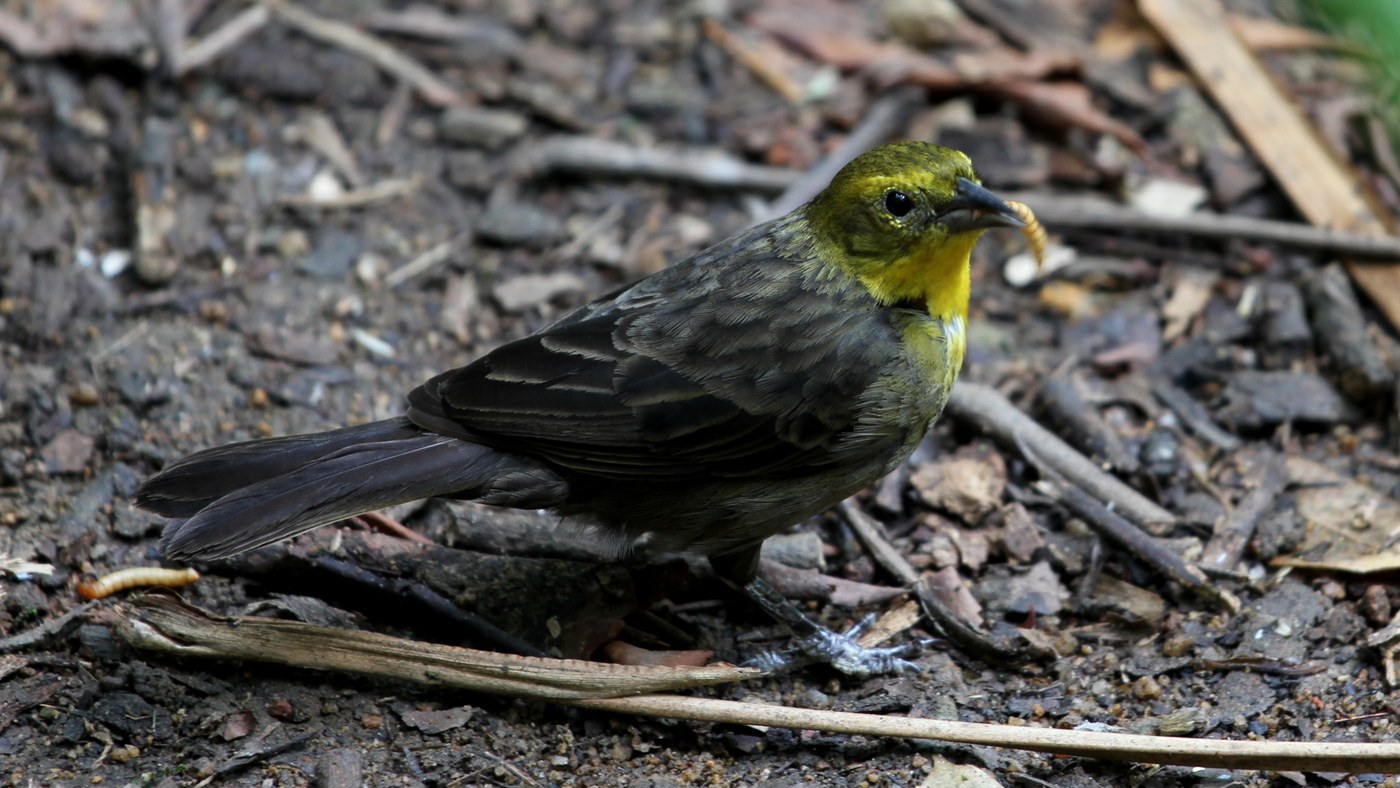
Yellow-hooded Blackbird
Contrasting hood and body feathers
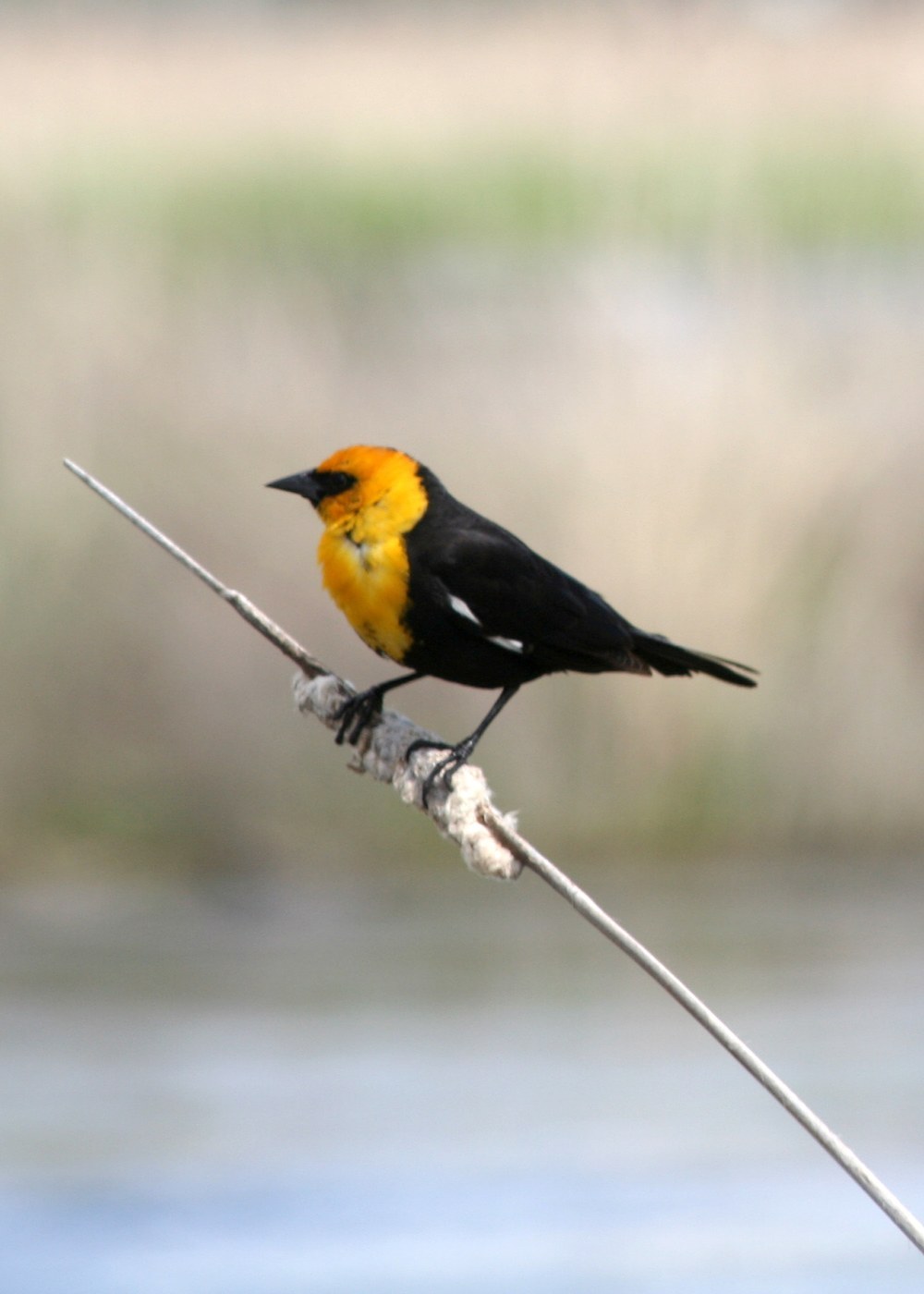
Yellow-headed Blackbird
Glossy black body plumage with a bright yellow head and breast

Yellow-eyed Junco
Contour and flight feathers

Yellow-fronted Canary
Small, smooth body plumage

Yellow-breasted Greenfinch
Compact, smooth body plumage