
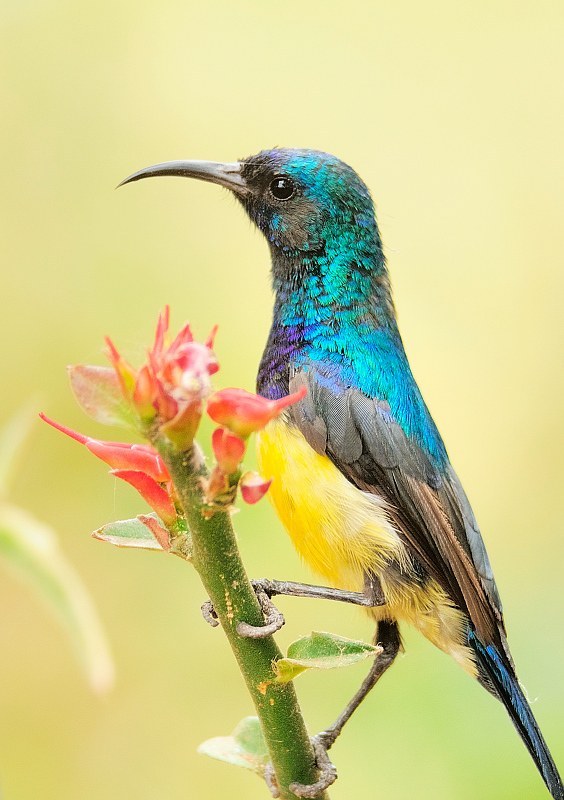
Variable Sunbird
Cinnyris venustus
A small, widespread African sunbird whose plumage pattern varies geographically, generally showing an iridescent green or blue-green throat and yellow underparts in males.
- Feather type
- Fine decurved-billed contour feathers with a small iridescent throat patch
- Colours
- Iridescent green or blue-green upperparts and throat, yellow underparts, geographically variable
- Bird size
- Small songbird, ~10-11 cm
Found a feather like this?
Identify any feather from a photo, free.
Overview
Overview
The Variable Sunbird is aptly named for the considerable geographic variation in male plumage pattern across its broad sub-Saharan African range. It is a common visitor to gardens, savanna, forest edges, and cultivated land.
Males typically show an iridescent green or blue-green head, throat, and upper breast, with yellow underparts, though the exact extent and color of the iridescent patch differs among populations. Females are duller, generally olive above and pale yellow below.
Identifying the Feather
Feather Identification
- Body feathers: Males show an iridescent green or blue-green throat and upper breast, with yellow lower underparts; the pattern and color intensity vary by population
- Female feathers: Olive-green above, pale yellowish below, lacking iridescence
- Tail feathers: Dark, slightly notched, without strong iridescence
- Shaft color: Dark in the iridescent throat patch, pale on yellow underparts
- Size: Small and slender, similar in size to other small African sunbirds
- Similar species: Because of its variable plumage across its range, this species can resemble several other sunbirds locally; best identified by combination of range, iridescent throat extent, and habitat
Plumage & Molt
Plumage Details
Adult males show an iridescent green or blue-green throat and breast patch, varying in extent and exact hue among different populations, with yellow underparts below the iridescent area. Females are olive above and pale yellow below, lacking iridescent patches. Juveniles resemble females. Some populations show males with an eclipse-like duller phase, though this is less pronounced than in larger sunbird species.
Habitat & Range
Habitat & Range
Variable Sunbirds are widespread across sub-Saharan Africa, occurring from West Africa through East Africa and into parts of southern Africa, in gardens, savanna, woodland edge, and cultivated land. The species is largely resident, occupying a broad range of lowland and highland habitats depending on the region.
Behavior & Field Notes
Behavior & Field Notes
This sunbird feeds on nectar from a wide range of flowering plants and shrubs, and also takes small insects, especially while feeding young. It builds a hanging, pouch-shaped nest, often suspended from a branch near human habitation. Calls include high-pitched chips and a rapid, twittering song delivered from exposed perches. The species' adaptability to varied habitats makes it one of the most commonly encountered sunbirds across much of its range.
Frequently asked questions
Why is this species called the Variable Sunbird?
Because male plumage pattern, particularly the extent and color of the iridescent throat patch, varies noticeably across its wide geographic range.
How can I identify a Variable Sunbird feather?
Look for an iridescent green or blue-green throat and breast in males, paired with yellow underparts, keeping in mind the pattern can differ regionally.
Do females show variation like males?
Females are more uniformly olive above and pale yellow below across most of the range, without the pronounced male plumage variation.
Where is this sunbird found?
Across a very broad range of sub-Saharan Africa, in gardens, savanna, and woodland edge habitats.
Variable Sunbird guides
In-depth guides for identifying and understanding Variable Sunbird.
Other feathers you may enjoy

Yellow-breasted Bunting
Contour and flight feathers, chestnut-and-yellow breeding pattern
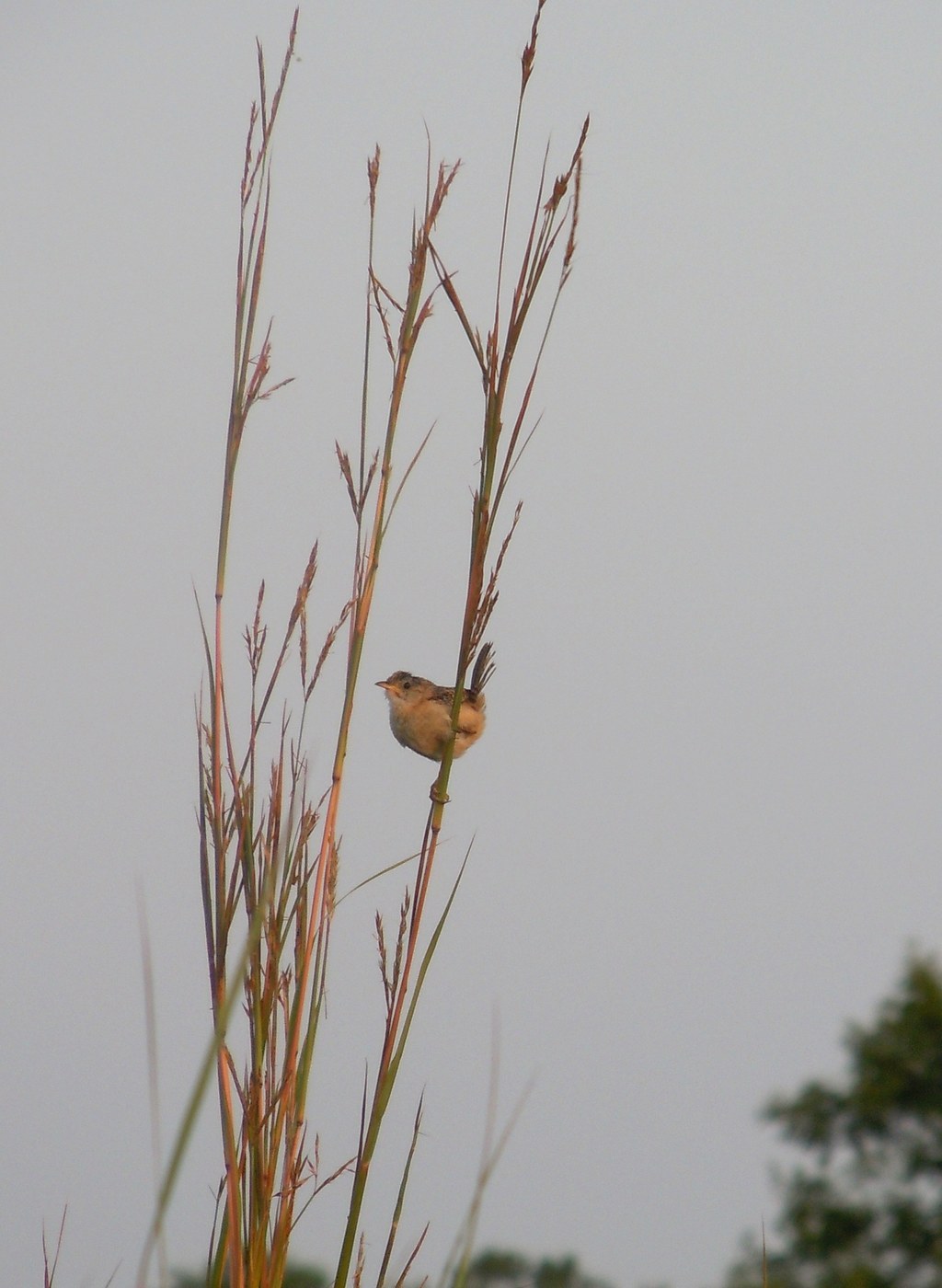
Sedge Wren
Tiny streaked crown and back feathers

Yellow-winged Cacique
Glossy black body feathers, yellow wing patch, shaggy crest

Yellow Warbler
Small contour and flight feathers
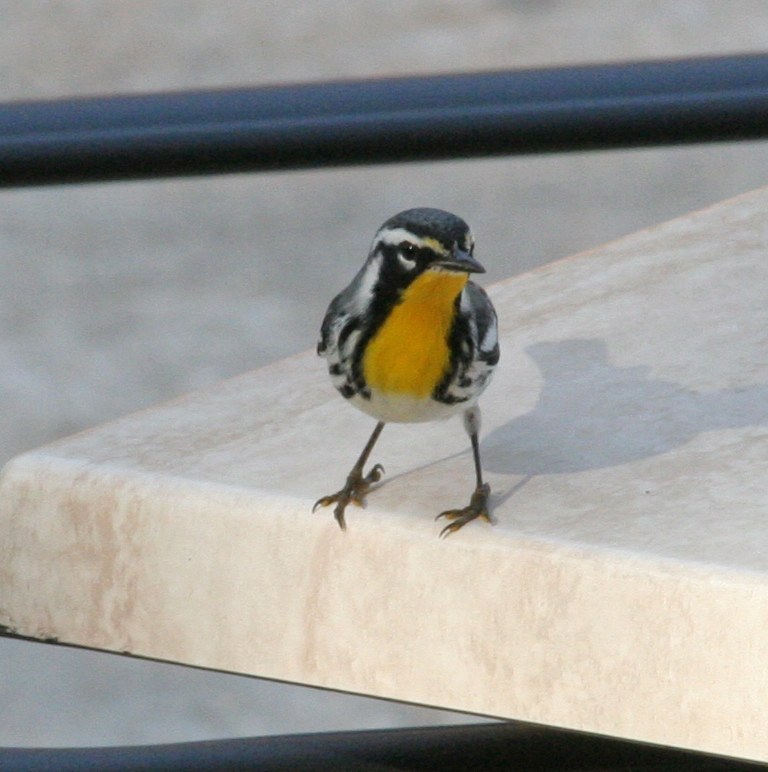
Yellow-throated Warbler
Small contour and flight feathers
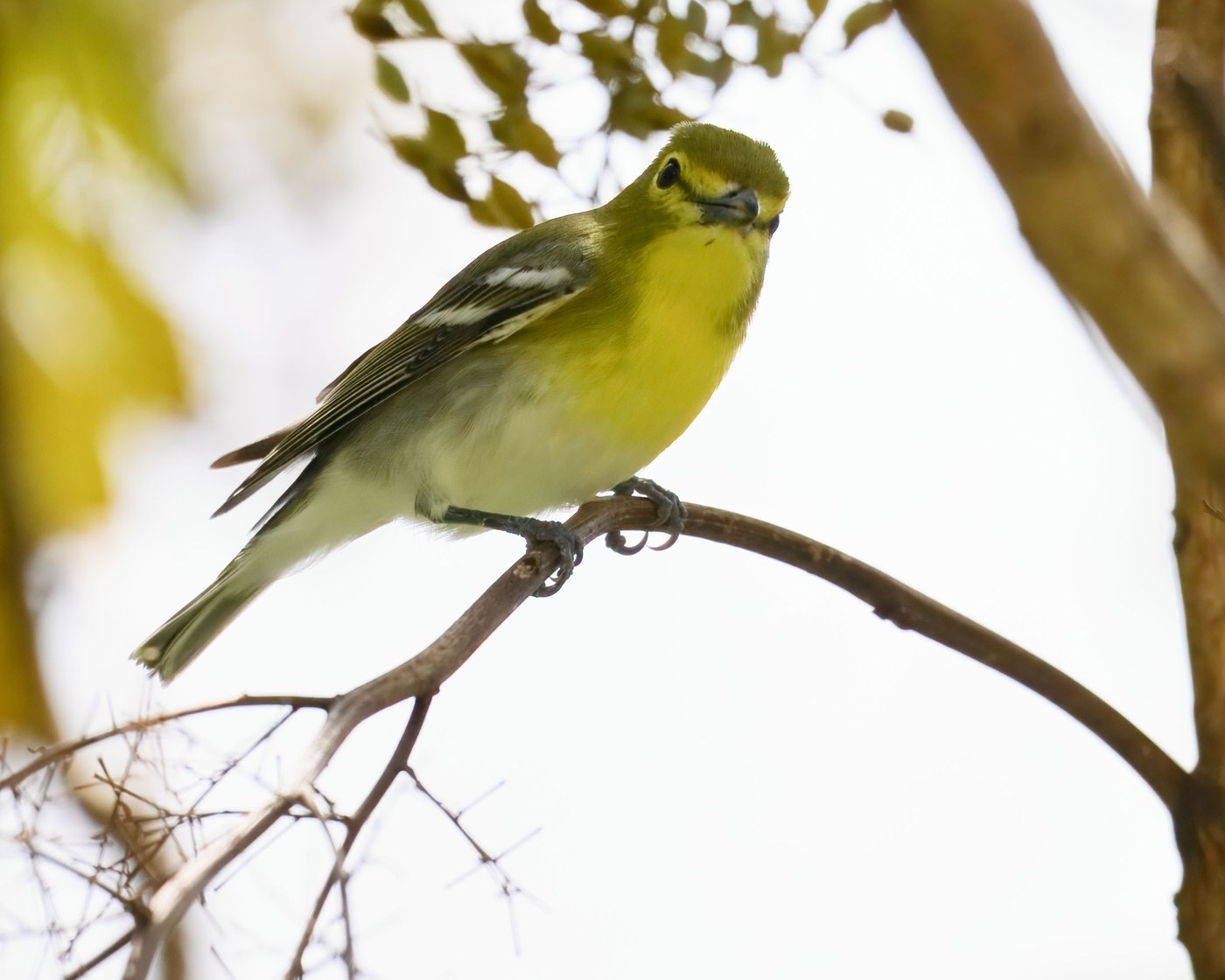
Yellow-throated Vireo
Bright yellow throat and spectacle feathers; olive-green back feathers; two white wing-bar feathers

Yellow-rumped Warbler
Small contour and flight feathers
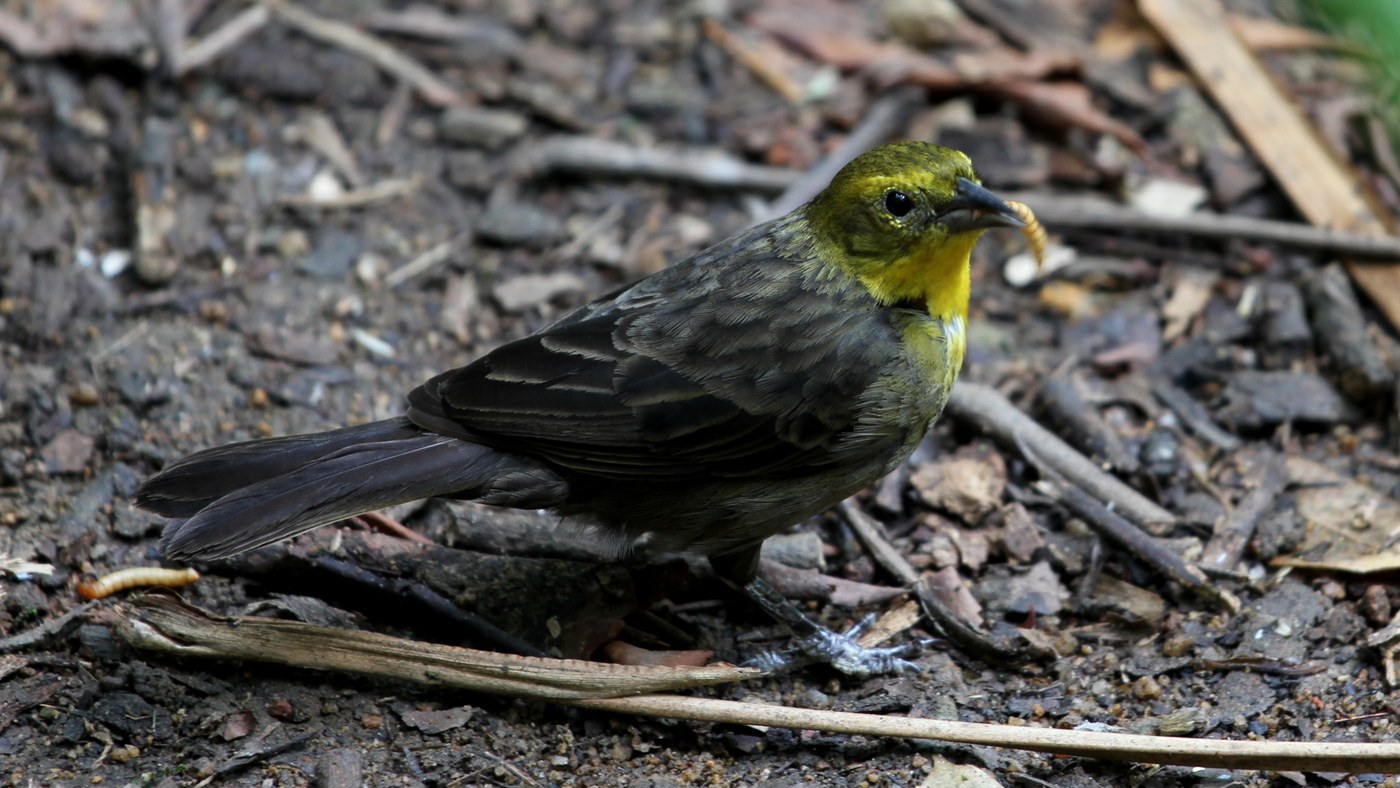
Yellow-hooded Blackbird
Contrasting hood and body feathers
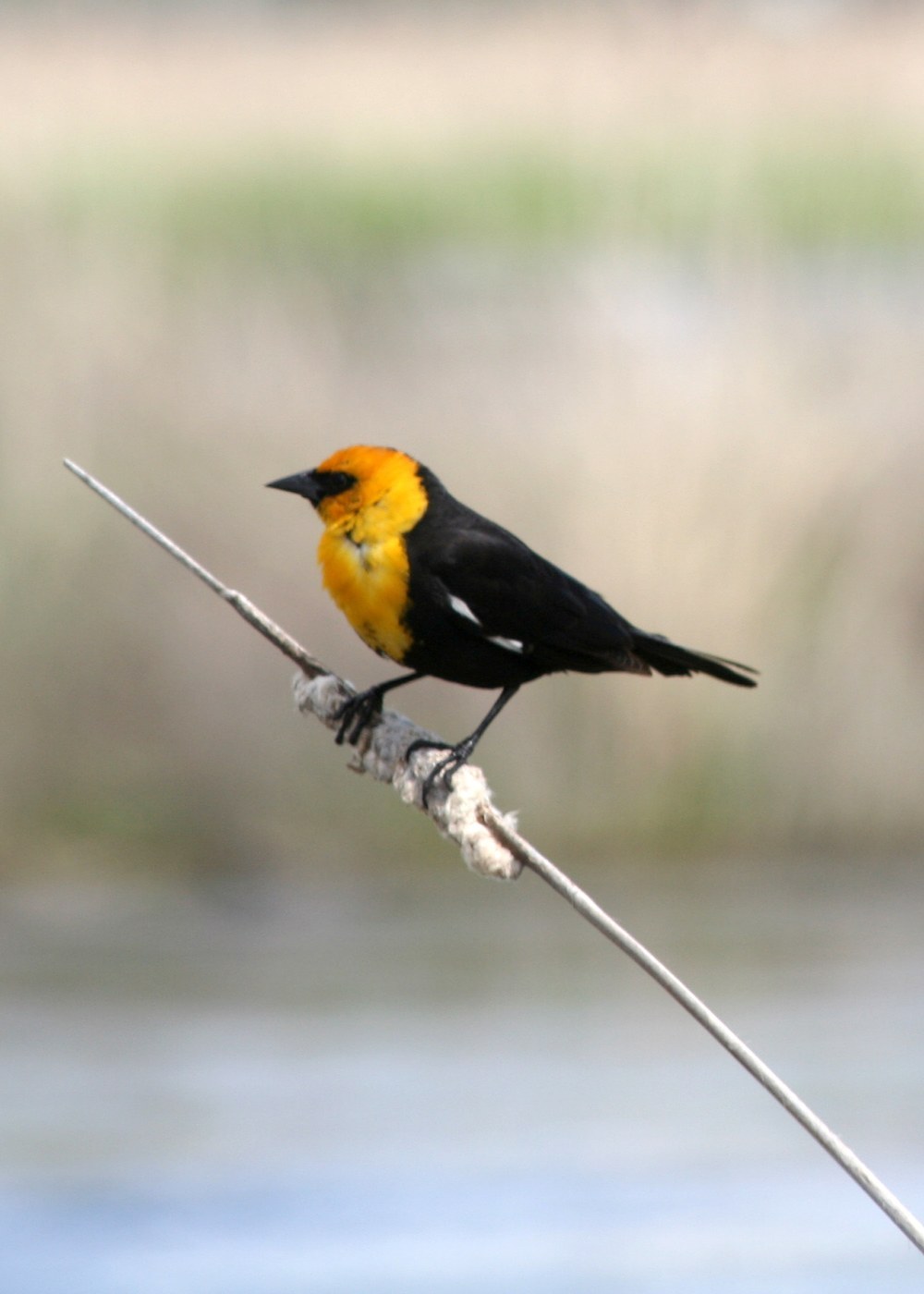
Yellow-headed Blackbird
Glossy black body plumage with a bright yellow head and breast

Yellow-eyed Junco
Contour and flight feathers

Yellow-fronted Canary
Small, smooth body plumage

Yellow-breasted Greenfinch
Compact, smooth body plumage