
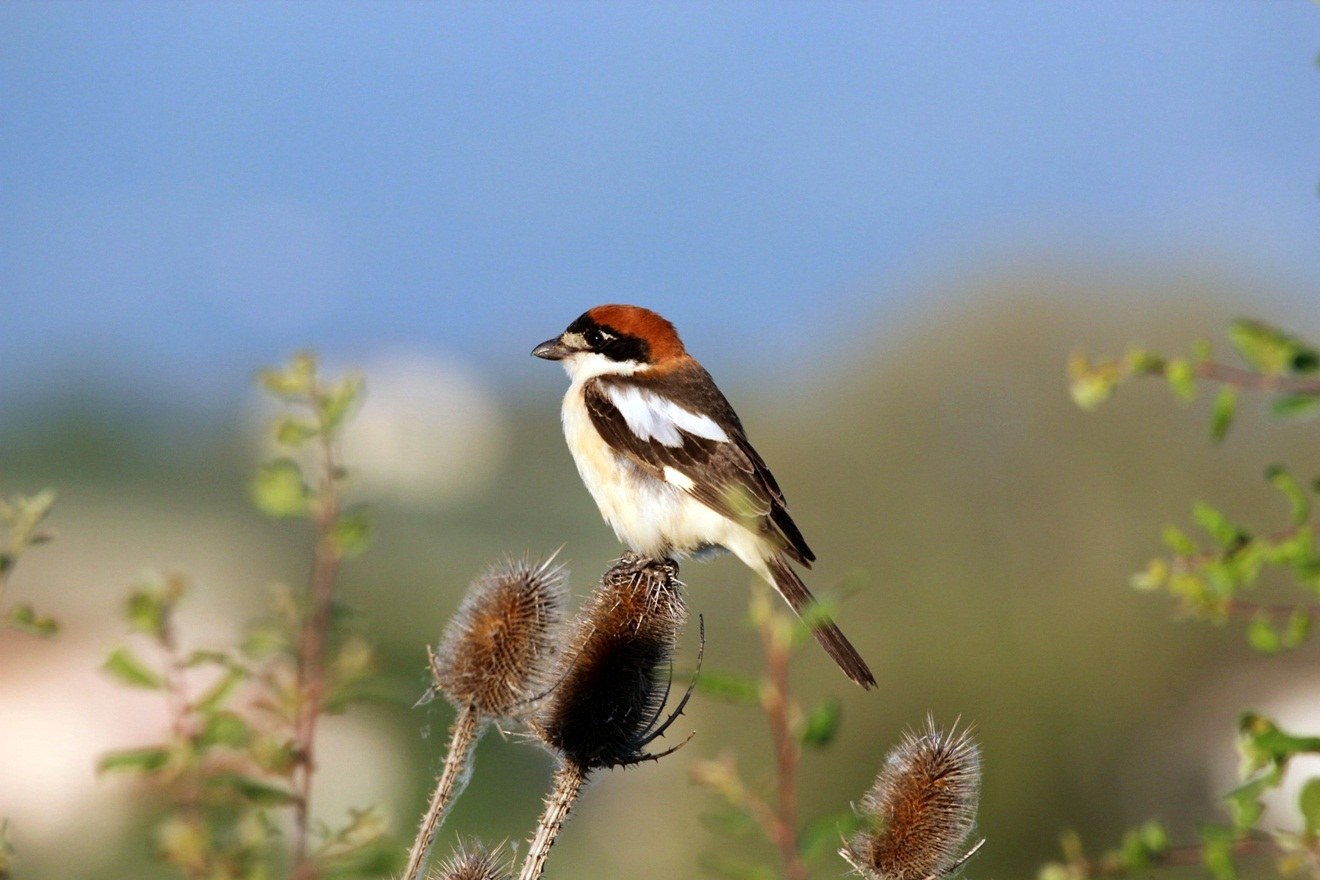
Woodchat Shrike
Lanius senator
A boldly patterned southern European shrike with a rich chestnut crown and a crisp white shoulder patch that contrasts sharply with its black wings.
- Feather type
- Firm body feathers, hooked bill, stiff flight feathers
- Colours
- Chestnut crown and nape, black mask, white shoulder patch, black wings
- Bird size
- Robin-sized, ~17-18 cm
Found a feather like this?
Identify any feather from a photo, free.
Overview
The Woodchat Shrike is a small predatory songbird found across southern Europe, North Africa, and parts of the Middle East, wintering in sub-Saharan Africa. It is one of the more colorful shrikes, easily recognized by its chestnut crown, black mask, and prominent white patch on the shoulder that stands out against otherwise black wings.
Identifying the Feather
Flight feathers: black with a bold white patch formed by the wing coverts and base of the primaries, creating a conspicuous shoulder flash. Tail feathers: black with white outer edges. Body feathers: a rich chestnut crown and nape contrast with a black mask and black upper back, while the lower back and underparts are white to pale buff. This chestnut cap combined with the bold white wing patch readily separates Woodchat Shrike feathers from the gray-backed Great Grey and Northern Shrikes and the chestnut-backed (but gray-headed) male Red-backed Shrike.
Plumage & Molt
Sexes are similar, though females may show slightly duller chestnut coloring and a less crisp mask. Adults display a chestnut crown and nape, black mask and upperback, a white patch on the scapulars and wing coverts, black flight feathers, and whitish underparts. Juveniles are heavily barred grayish-brown overall, lacking the chestnut cap, and molt into adult-like plumage over their first year. There is little seasonal variation in adult plumage beyond feather wear.
Habitat & Range
Woodchat Shrikes breed in open woodland, orchards, olive groves, and scrubby farmland across southern Europe, North Africa, and parts of the Middle East. The species is a long-distance migrant, wintering in savanna and open woodland habitats across sub-Saharan Africa.
Behavior & Field Notes
This shrike hunts large insects and occasionally small vertebrates from perches in open habitat, sometimes impaling prey on thorns for later feeding. It builds a cup nest in trees or tall shrubs. Calls are harsh and scolding, while the song mixes warbled and scratchy phrases, often including mimicry, delivered from a prominent perch during the breeding season.
Frequently asked questions
What is the most distinctive feather feature of the Woodchat Shrike?
A bold white patch on the shoulder and wing coverts, contrasting sharply with black flight feathers and a rich chestnut crown, is diagnostic among European shrikes.
How do juvenile Woodchat Shrike feathers differ from adults?
Juveniles lack the chestnut cap entirely and instead show heavily barred grayish-brown plumage overall, gaining adult features gradually over their first year.
Can Woodchat Shrike feathers be confused with Red-backed Shrike feathers?
The chestnut is confined to the crown and nape in Woodchat Shrike (versus the back in male Red-backed Shrike), and the bold white shoulder patch is unique to the Woodchat.
Where does this species typically breed?
In open woodland, orchards, and scrubby farmland across southern Europe, North Africa, and parts of the Middle East.
Woodchat Shrike guides
In-depth guides for identifying and understanding Woodchat Shrike.

Other feathers you may enjoy

Yellow-breasted Bunting
Contour and flight feathers, chestnut-and-yellow breeding pattern
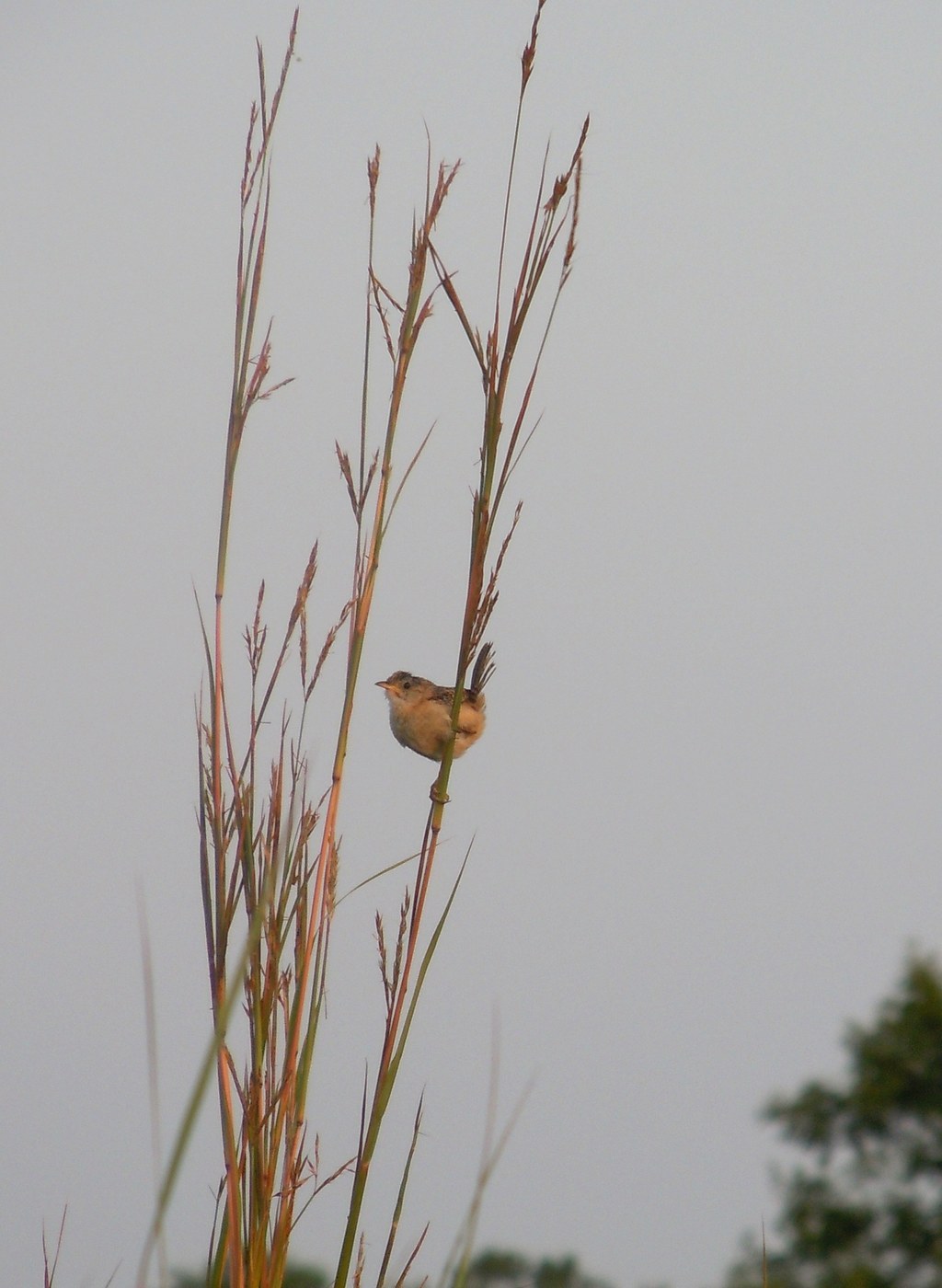
Sedge Wren
Tiny streaked crown and back feathers

Yellow-winged Cacique
Glossy black body feathers, yellow wing patch, shaggy crest

Yellow Warbler
Small contour and flight feathers
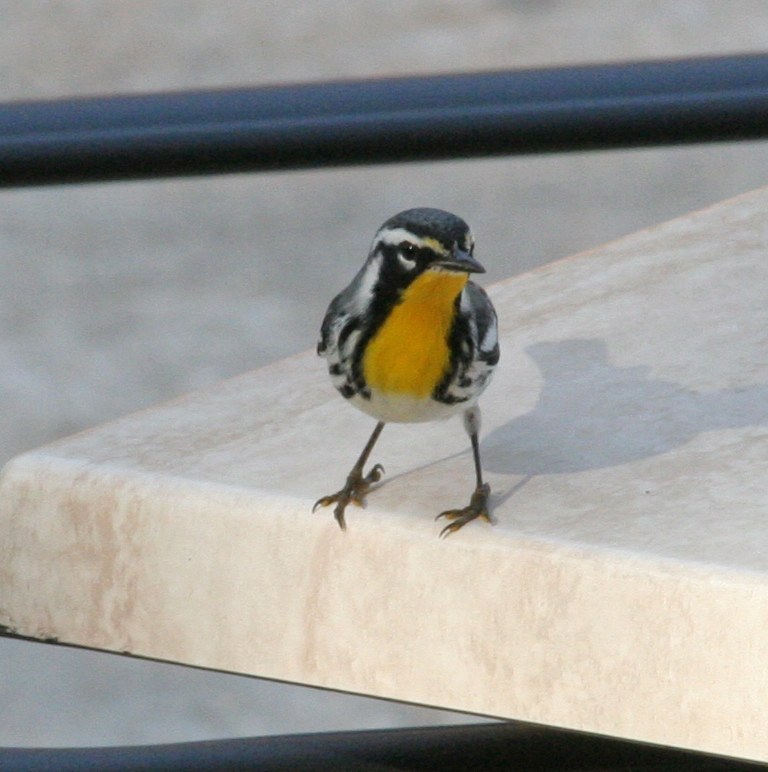
Yellow-throated Warbler
Small contour and flight feathers
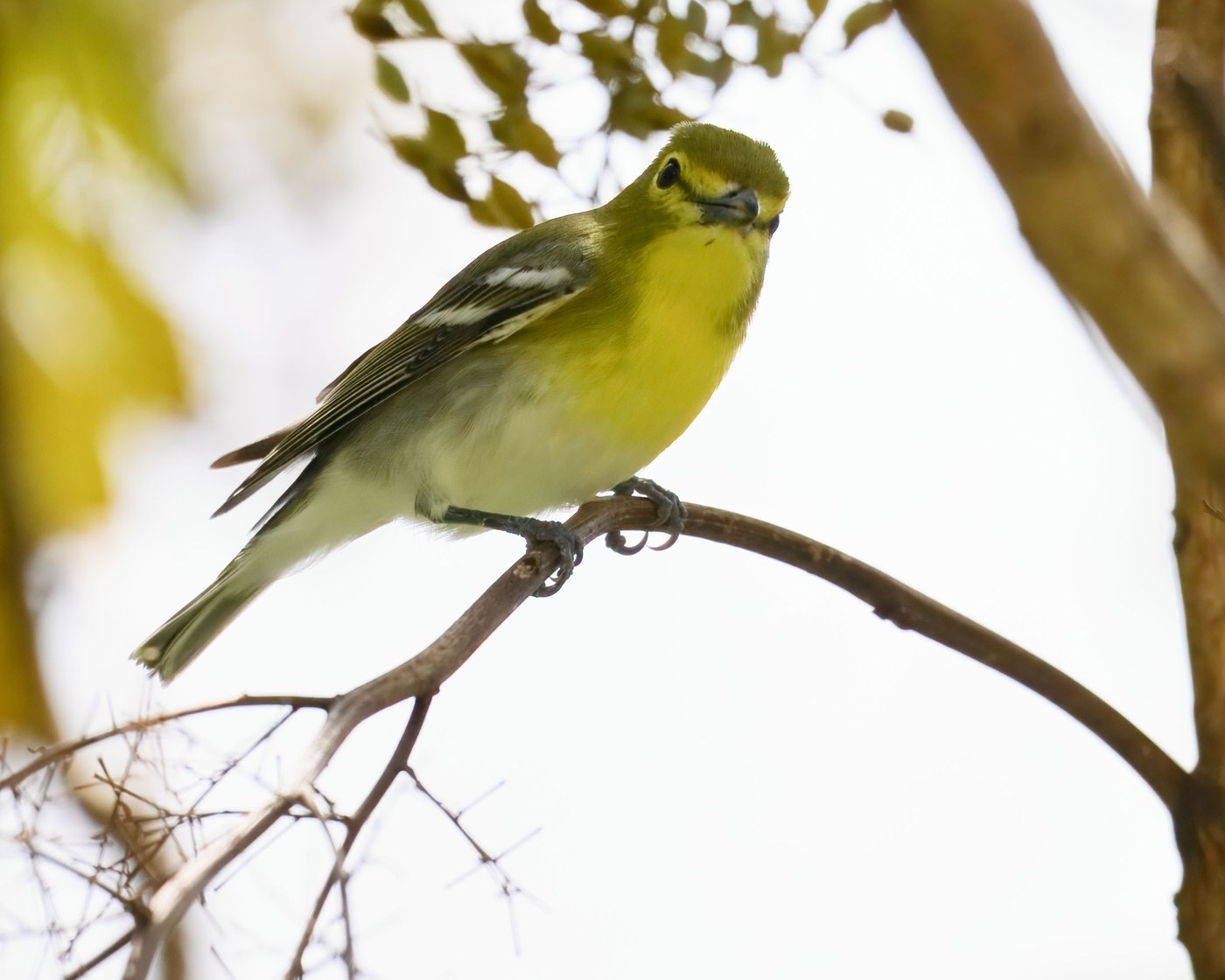
Yellow-throated Vireo
Bright yellow throat and spectacle feathers; olive-green back feathers; two white wing-bar feathers

Yellow-rumped Warbler
Small contour and flight feathers
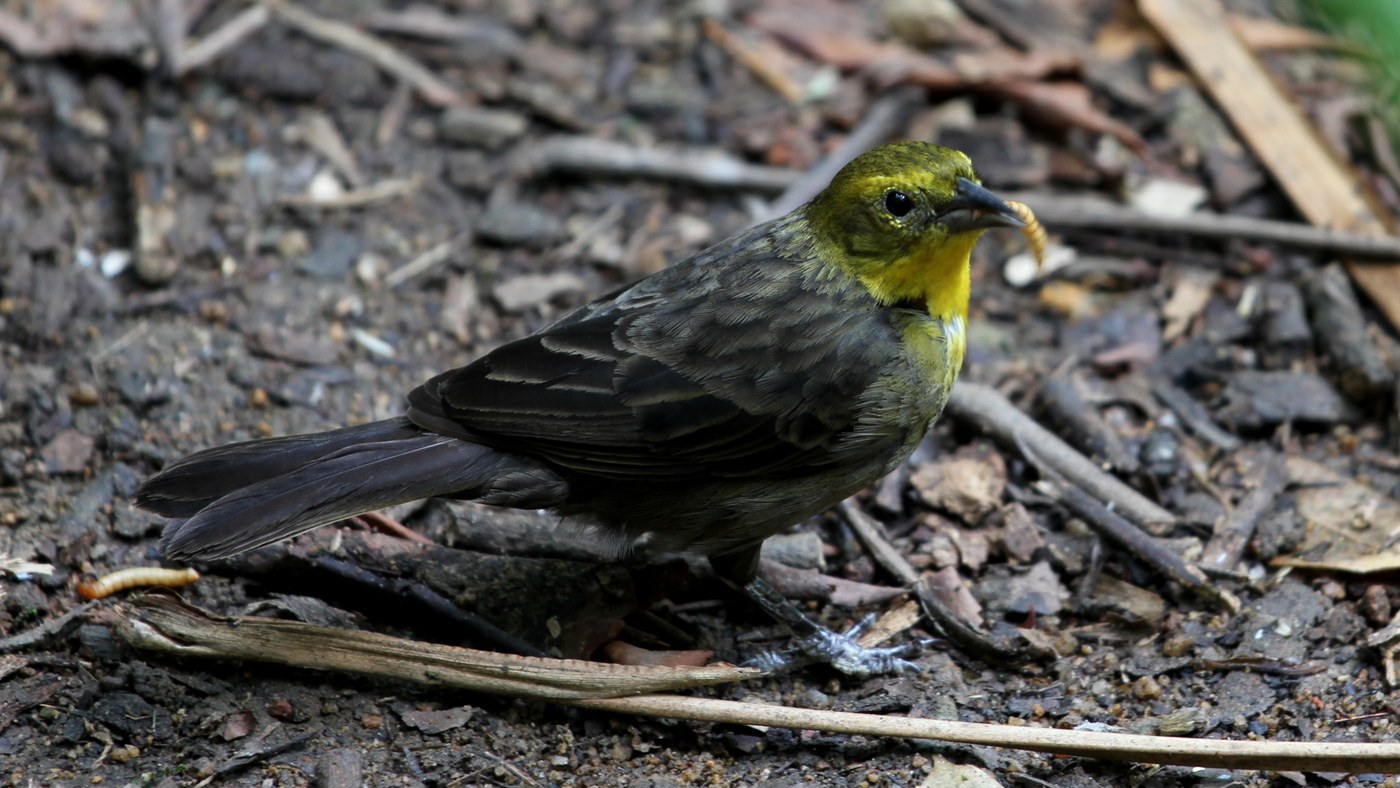
Yellow-hooded Blackbird
Contrasting hood and body feathers
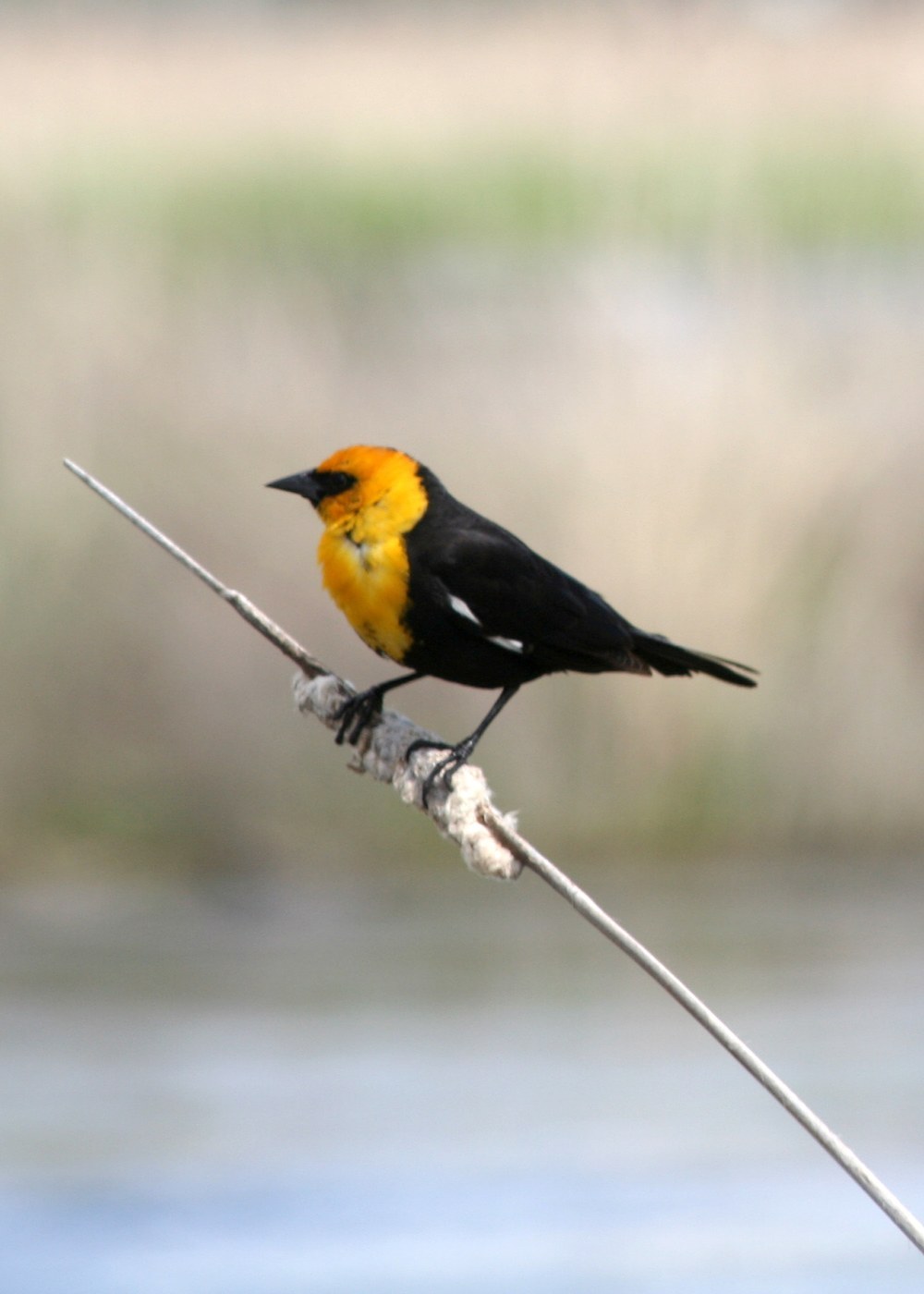
Yellow-headed Blackbird
Glossy black body plumage with a bright yellow head and breast

Yellow-eyed Junco
Contour and flight feathers

Yellow-fronted Canary
Small, smooth body plumage

Yellow-breasted Greenfinch
Compact, smooth body plumage