
Feather & Bird Encyclopedia
Search and identify feathers by species — with feather type, plumage, colours, size, habitat, and how to tell them apart in the field.
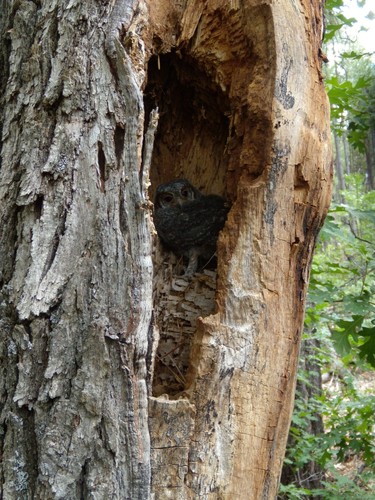

Flammulated Owl
A tiny, highly secretive migratory owl of western pine forests, camouflaged to match bark with a fine mottled gray-and-rufous pattern, and unusual among small owls for its dark eyes.
owl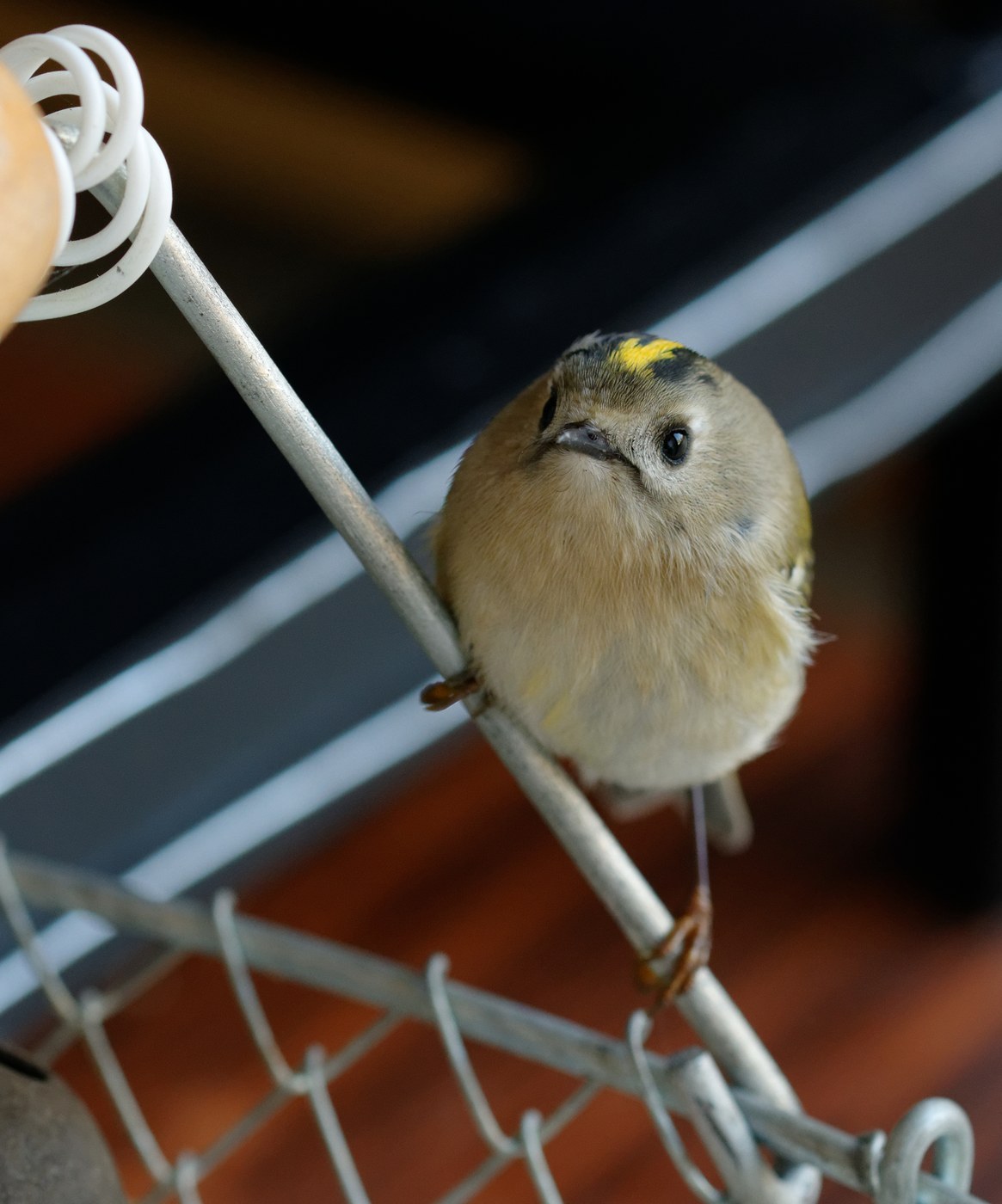
Goldcrest
Europe's smallest bird, identifiable even from a single tiny feather by its vivid black-bordered crown stripe — orange in males, yellow in females — set against olive-green plumage.
songbird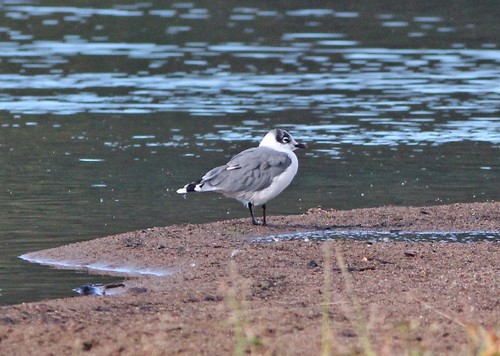

Franklin's Gull
A small, elegant gull of interior prairie wetlands, known for its bold white eye crescents, black hood, and one of the longest migrations of any gull, wintering as far south as the coasts of South America.
seabird
Black-thighed Falconet
One of the smallest raptors in the world, this Southeast Asian falconet shows glossy black upperparts and thighs against white underparts, with a small rufous forehead patch as its key mark.
raptor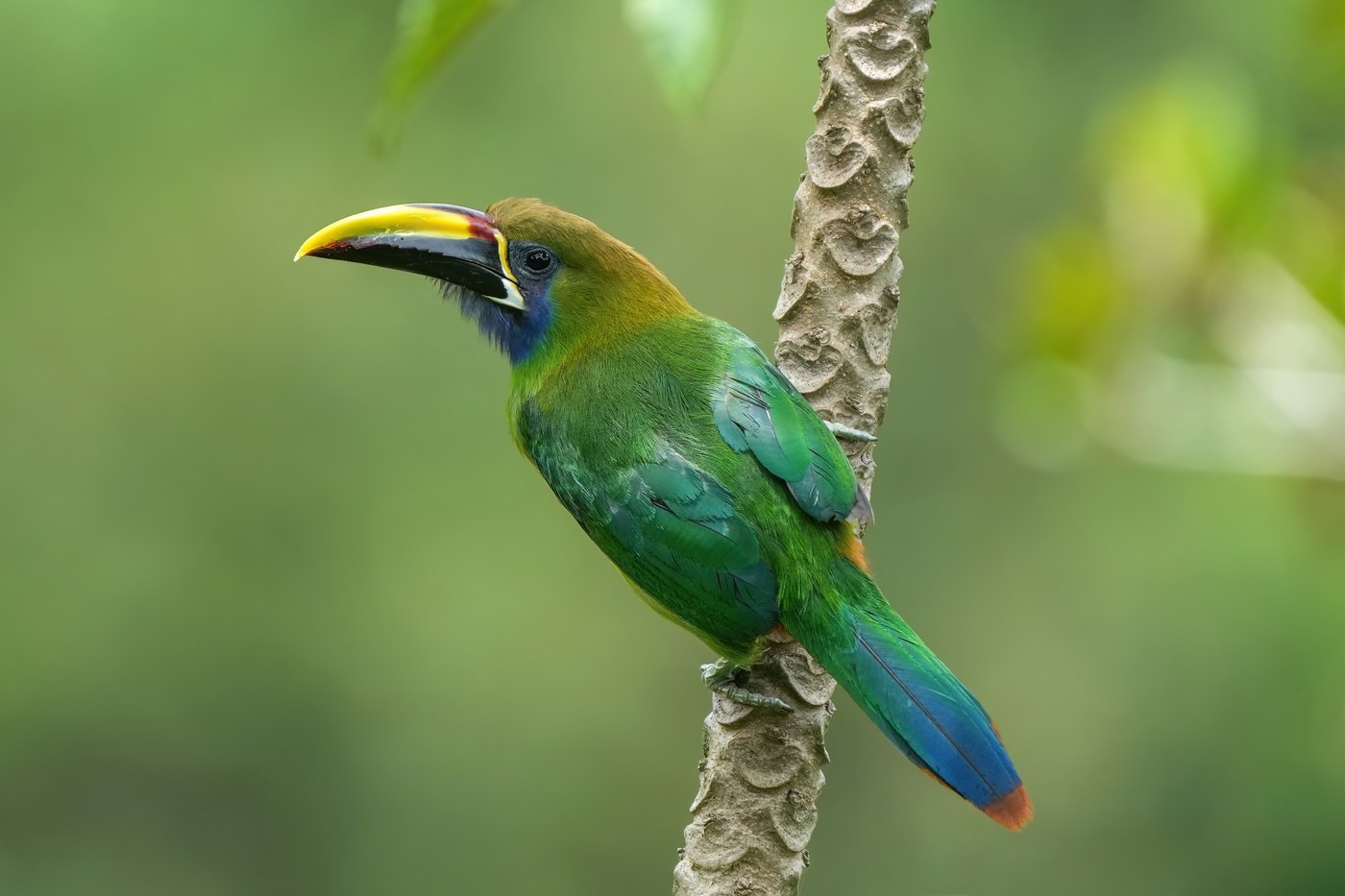
Emerald Toucanet
The Emerald Toucanet is a small, mostly green toucan of Middle American and Andean cloud forests, its color allowing it to blend remarkably well into the foliage. Regional populations vary somewhat in throat color and bill pattern.
other
Red Bird-of-paradise
The Red Bird-of-paradise is distinguished by the male's vivid crimson flank plumes and unique curled, ribbon-like black tail wires used in display. It is found only on a small number of islands in the Raja Ampat region of Indonesia.
songbird
Dwarf Cassowary
The smallest of the three cassowary species, this flightless New Guinea rainforest bird has coarse, hair-like black plumage and blue bare skin on the face and neck. It lacks the throat wattles of its larger relatives and has a low, modest casque.
other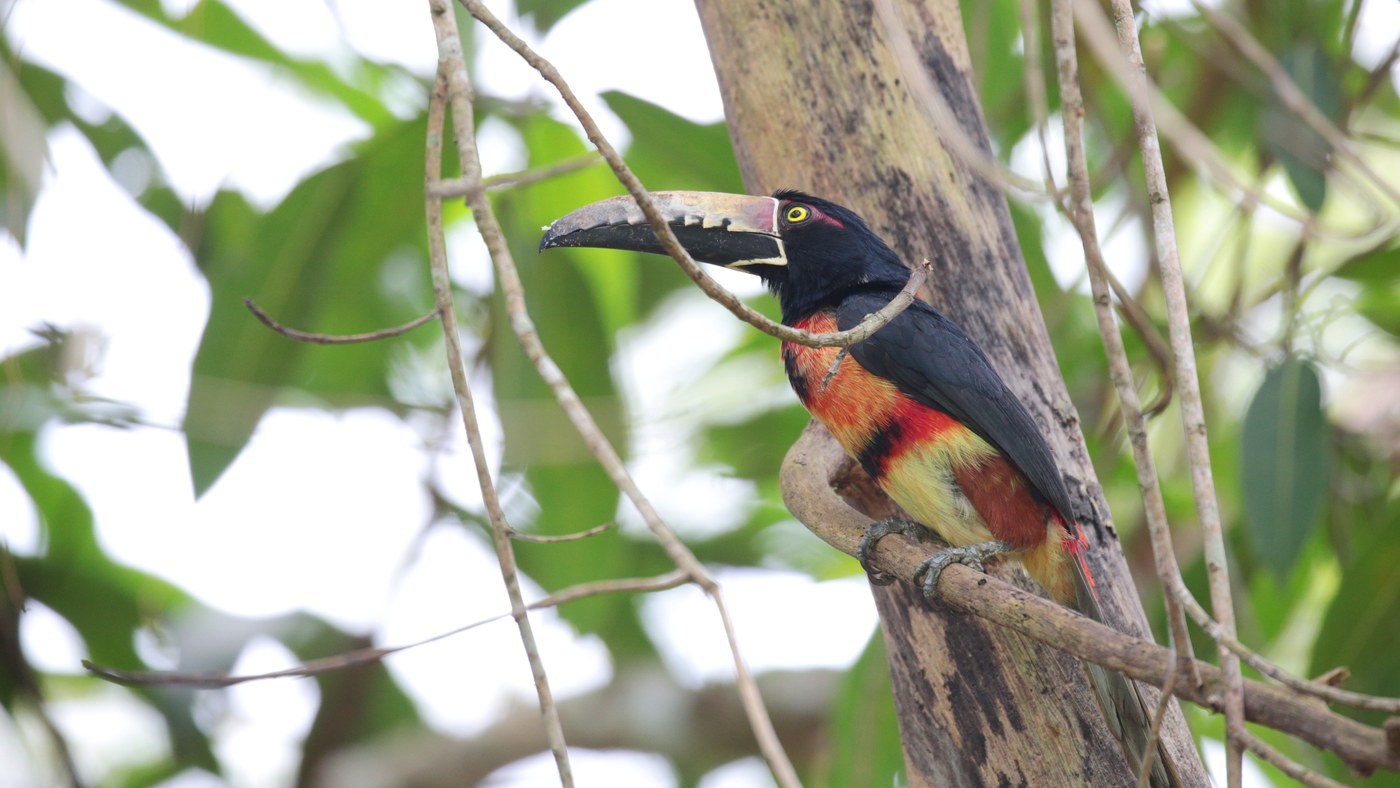
Collared Aracari
The Collared Aracari is a mid-sized toucan with bright yellow underparts crossed by a dark belt of spots, plus a narrow chestnut collar across the nape. It ranges through Central American and northern South American forests in small, active flocks.
other
Steppe Eagle
The Steppe Eagle is a large, uniformly dark brown Eurasian eagle of open grassland, with long fingered wingtips and fully feathered legs. Its flight feathers show subtle grey barring underneath, and juveniles display a pale band across the underwing.
raptor
Speckled Chachalaca
A grayish-brown, chicken-like bird of South American forest edges, marked with fine pale speckling on the breast and a long tail broadly tipped in cinnamon. It is best known for its loud, raucous dawn calls that give the chachalaca its name.
gamebird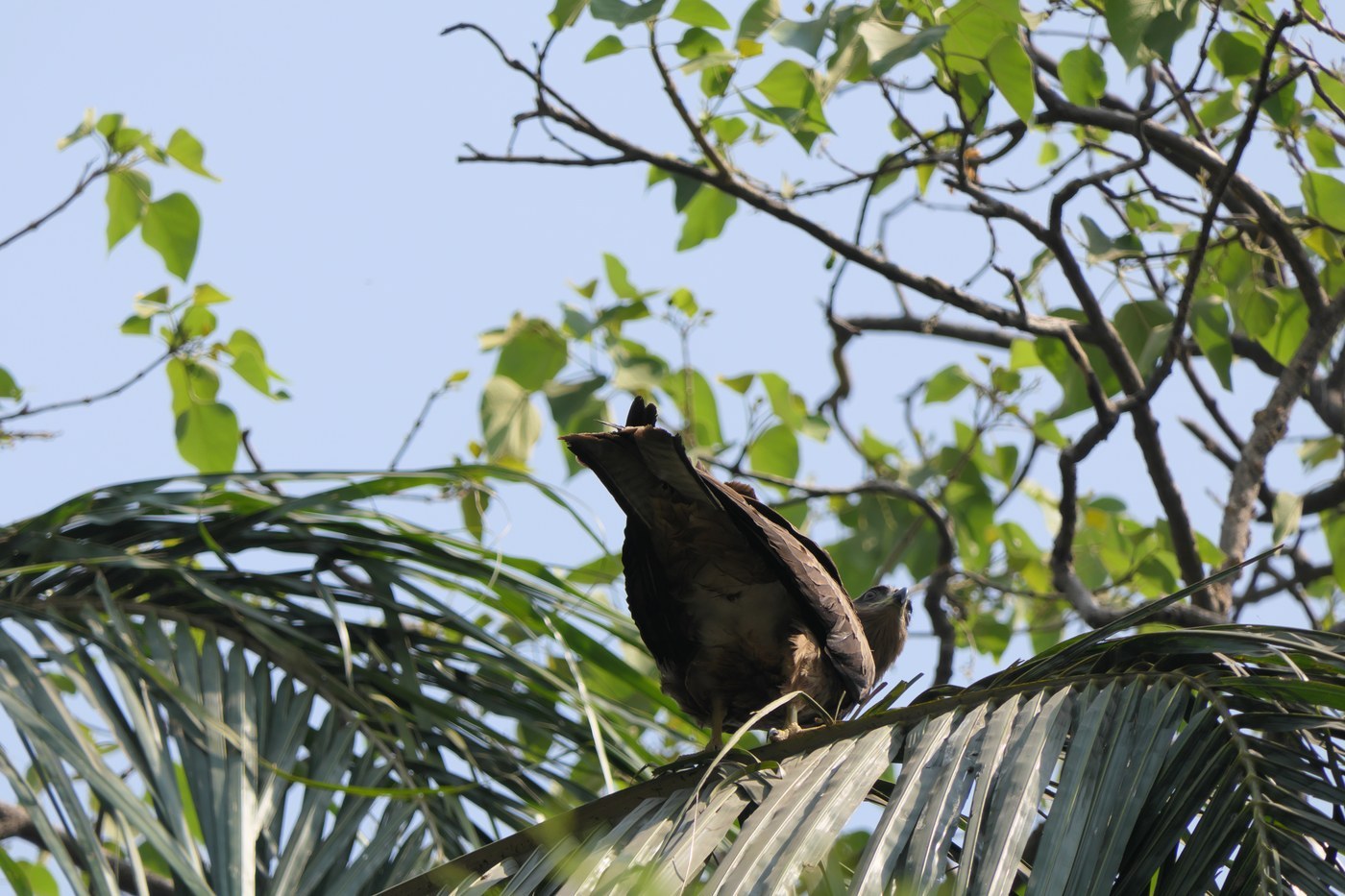
Black Kite
The Black Kite is a widespread Old World raptor with dull dark brown plumage, a slightly forked tail, and finely barred flight feathers, notable for its adaptability to human-altered landscapes including cities and rubbish sites.
raptor
Northern Red-billed Hornbill
The Northern Red-billed Hornbill is a slender African savanna hornbill with spotted black-and-white upperparts, white underparts, and a long, slim red bill. It typically forages on open ground in small, active family groups.
other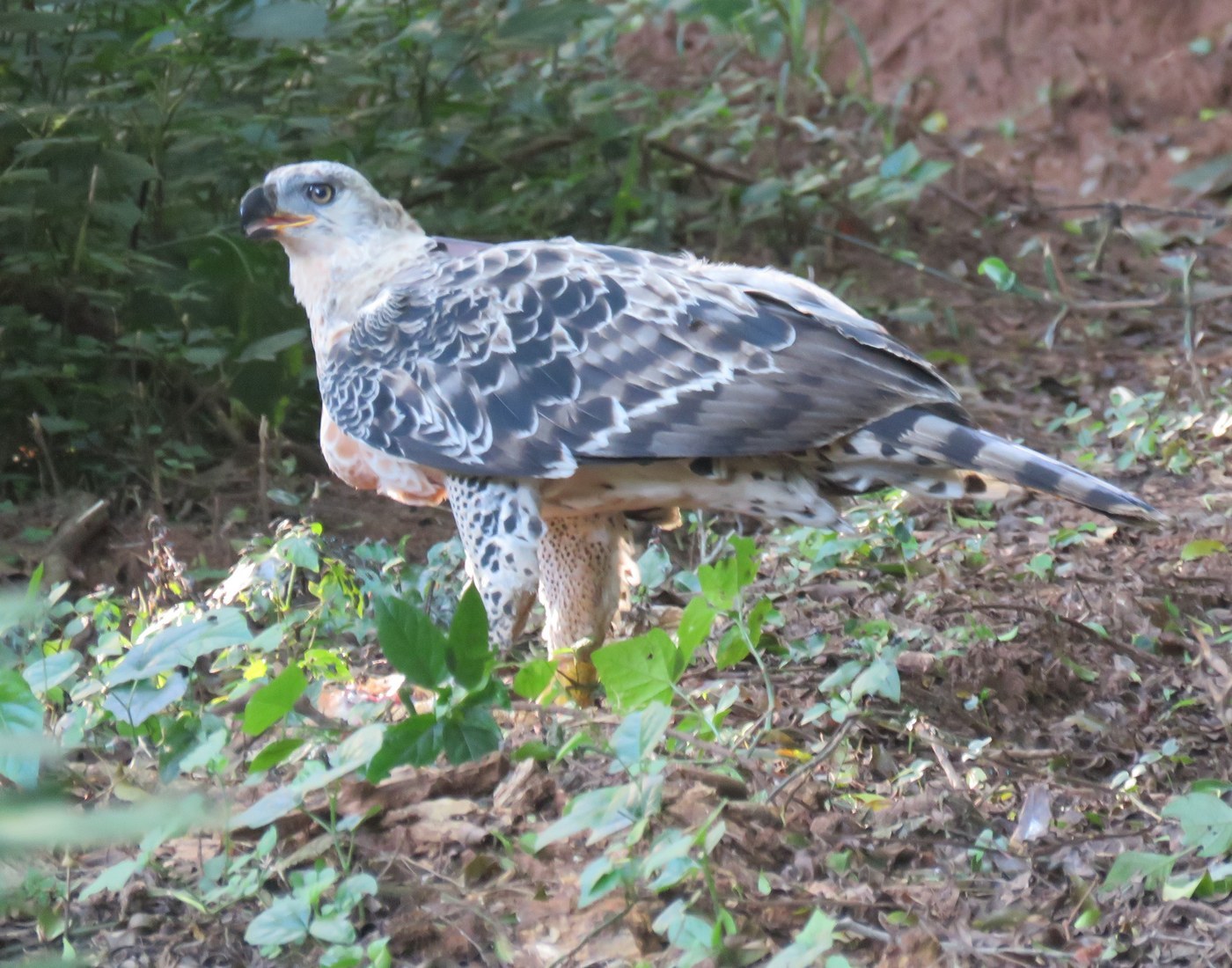
Crowned Eagle
The Crowned Eagle is a powerful African forest eagle with rich rufous underparts boldly barred in black, a strongly banded black-and-white tail, and a small crest, all adaptations for hunting beneath a dense forest canopy.
raptor

Honey Buzzard
The Honey Buzzard is a highly variable Eurasian raptor specialized in raiding wasp and bee nests, recognizable by its small, pigeon-like head, dense scale-like facial feathers for protection, and boldly banded tail.
raptor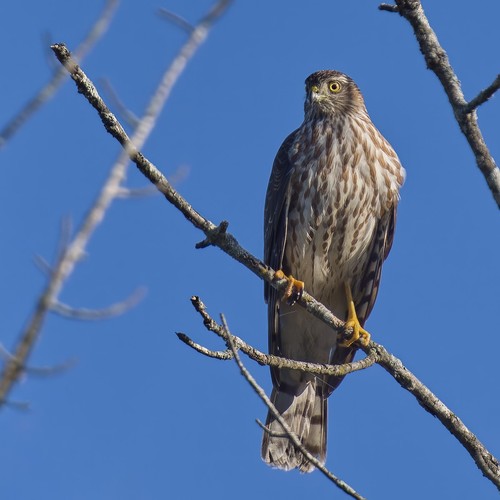

Sharp-shinned Hawk
The Sharp-shinned Hawk is North America's smallest accipiter, with short rounded wings, a long square-tipped banded tail, and adult plumage of slate-grey upperparts with fine rufous barring below, built for darting through dense cover.
raptor
Wilson's Bird-of-paradise
Wilson's Bird-of-paradise is a small, intensely colorful species with a red back, yellow nape, an iridescent green breast shield, and a bare, patterned blue crown. It is restricted to a couple of small Indonesian islands where males display and clear small ground courts.
songbird
Southern Ground Hornbill
The Southern Ground Hornbill is a large, mostly terrestrial hornbill of southern African savanna, easily told by its black plumage, bare red facial skin, and heavy dark bill. It walks in small family groups across open grassland hunting for animal prey.
other
King of Saxony Bird-of-paradise
The King of Saxony Bird-of-paradise is instantly recognizable for the male's two extraordinarily long head plumes, lined with small flag-like pennants of a pale, enamel-like blue. It lives in the montane forests of the New Guinea highlands.
songbird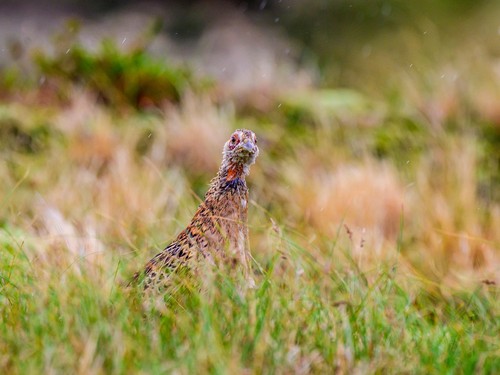

Common Pheasant
A large, long-tailed game bird, with males displaying iridescent copper and gold plumage, a glossy green head, and bright red facial wattles, often set off by a white neck ring in some populations. Females are far more subdued, cloaked in cryptic mottled brown for camouflage while nesting.
gamebird
Temminck's Stint
A small, plain-plumaged stint that favors quiet freshwater edges over open mudflats, distinguished from its rufous relatives by generally duller upperpart feathers and distinctive white outer tail feathers.
shorebird
Spot-breasted Oriole
A boldly patterned oriole native to Central America, marked by distinctive black spots along the sides of its orange breast, with a small introduced population established in urban South Florida.
songbird
Lesser Kestrel
A colonial, steppe-loving falcon closely resembling Common Kestrel but smaller and more social, with males showing an unspotted chestnut back and pale claws that separate the species from its more familiar relative.
raptor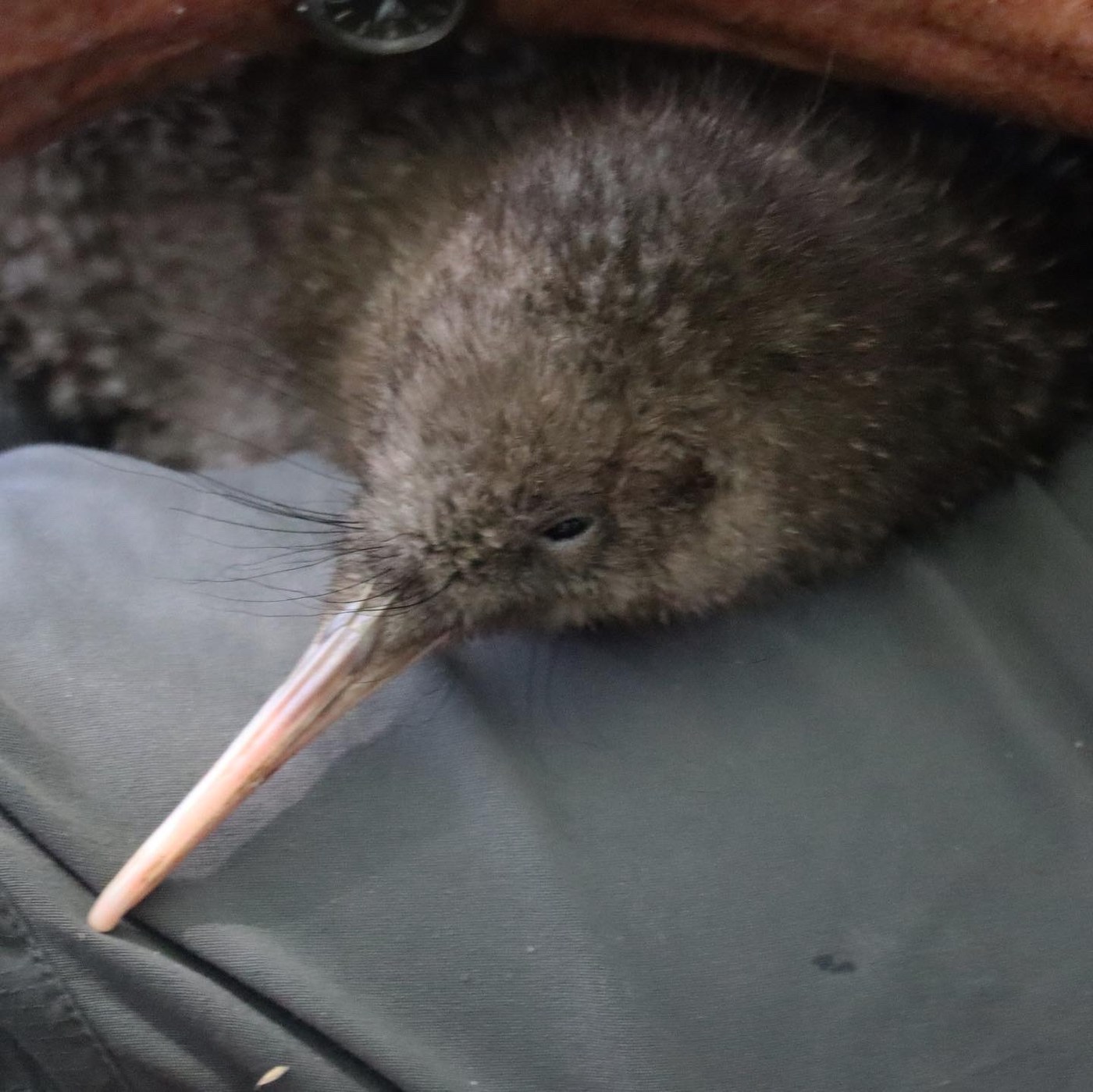
Great Spotted Kiwi
The largest of the kiwi species, this flightless New Zealand bird has grayish, hair-like plumage marked with light mottled banding that gives it a more patterned look than its brown relatives. It inhabits rugged mountain forest and subalpine grassland on the South Island.
other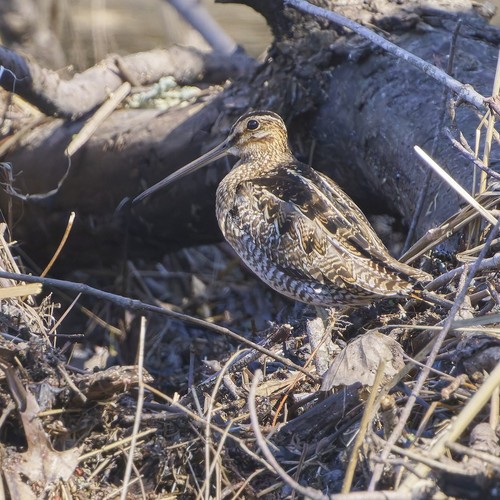

Wilson's Snipe
A secretive, superbly camouflaged marsh bird whose intricately patterned brown-and-buff feathers provide near-perfect concealment among wetland vegetation, with narrow outer tail feathers used to produce an eerie winnowing sound in flight.
shorebird