
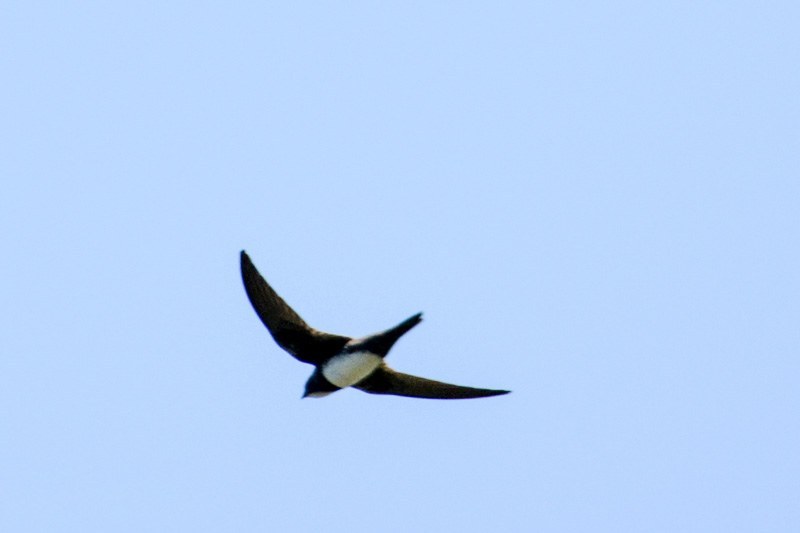
Alpine Swift
Tachymarptis melba
One of the largest swifts in the world, with a white belly and throat separated by a brown breast band, capable of remaining airborne for months at a stretch.
- Feather type
- Long, sickle-shaped flight feathers; dense sleek body plumage
- Colours
- Brown-gray above and on the breast band, white throat and belly
- Bird size
- Large swift, ~20-22 cm, wingspan to ~54 cm
Found a feather like this?
Identify any feather from a photo, free.
Overview
The Alpine Swift is a large, powerful swift found across mountainous regions of southern Europe, North Africa, and parts of Asia, with populations wintering in sub-Saharan Africa. Larger than most other swifts, it has long, scythe-like wings adapted for high-speed, sustained flight, and is known for extraordinary non-stop flights lasting many months during migration.
Identifying the Feather
Flight feathers: notably long and curved, dark brownish-gray, stiff-shafted and built for endurance rather than maneuverability. Tail feathers: short and slightly forked, brownish-gray matching the upperparts. Body feathers: the key identification feature is the pattern — white throat and white belly separated by a solid brown breast band, with brown-gray upperparts. This size and banded pattern distinguish Alpine Swift feathers from the smaller, more uniformly dark feathers of Common Swift or the smaller white-throated swifts.
Plumage & Molt
Sexes look alike. Adults have brown-gray upperparts, a white throat, a brown breast band, and a white belly, with brown-gray undertail coverts. Juveniles are similar with slightly paler feather edging. There is no distinct seasonal plumage; a single annual molt replaces the flight feathers, often over an extended period given how much time the species spends in flight.
Habitat & Range
Alpine Swifts breed on cliffs, gorges, and increasingly on tall buildings across southern Europe, North Africa, and into central Asia. Most populations are long-distance migrants, wintering in sub-Saharan Africa, though some populations in warmer regions may remain resident year-round.
Behavior & Field Notes
This swift forages at great heights, catching flying insects in aerial pursuit, sometimes far from its nesting cliffs. It nests colonially in cliff crevices or under eaves, building a shallow cup from feathers and airborne debris bound with saliva. Alpine Swifts are capable of remaining continuously airborne for extended periods, even sleeping on the wing. Their call is a loud, rolling trill, often given by groups wheeling around nesting cliffs.
Frequently asked questions
How can I recognize an Alpine Swift feather by size alone?
Its flight feathers are notably longer than those of most other swifts, reflecting its status as one of the largest swift species.
What color pattern distinguishes this species' body feathers?
A white throat and white belly separated by a solid brown breast band is the key pattern, unlike the more uniform dark plumage of smaller swifts.
Do Alpine Swifts show seasonal color changes?
No, their plumage remains essentially the same year-round with only gradual wear and a single annual molt.
Where do Alpine Swifts nest?
They nest colonially in crevices on high cliffs and gorges, and increasingly on tall buildings in some cities.
Alpine Swift guides
In-depth guides for identifying and understanding Alpine Swift.
Other feathers you may enjoy

Common Cuckoo
Flight and body feathers
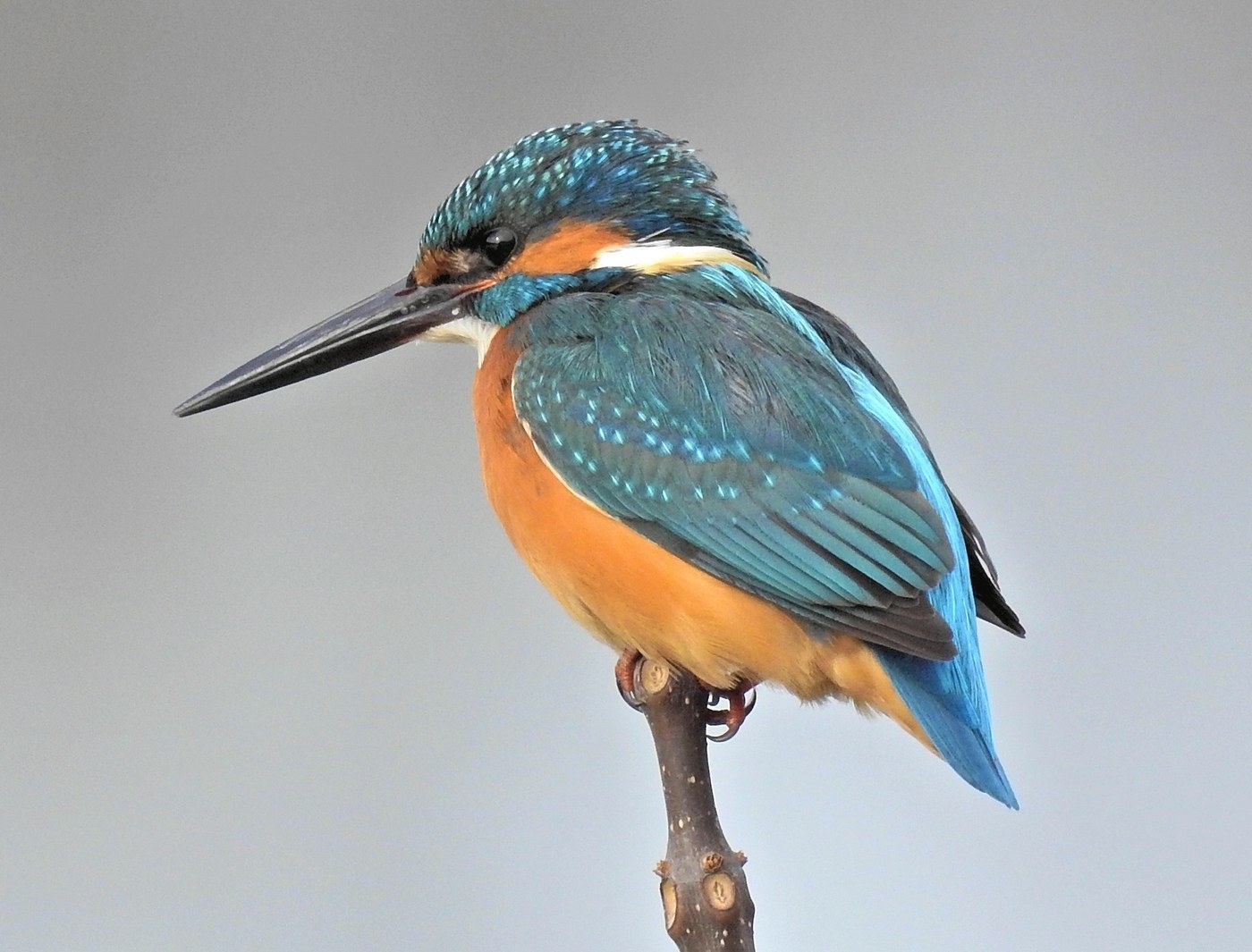
Common Kingfisher
Body (contour) and wing feathers
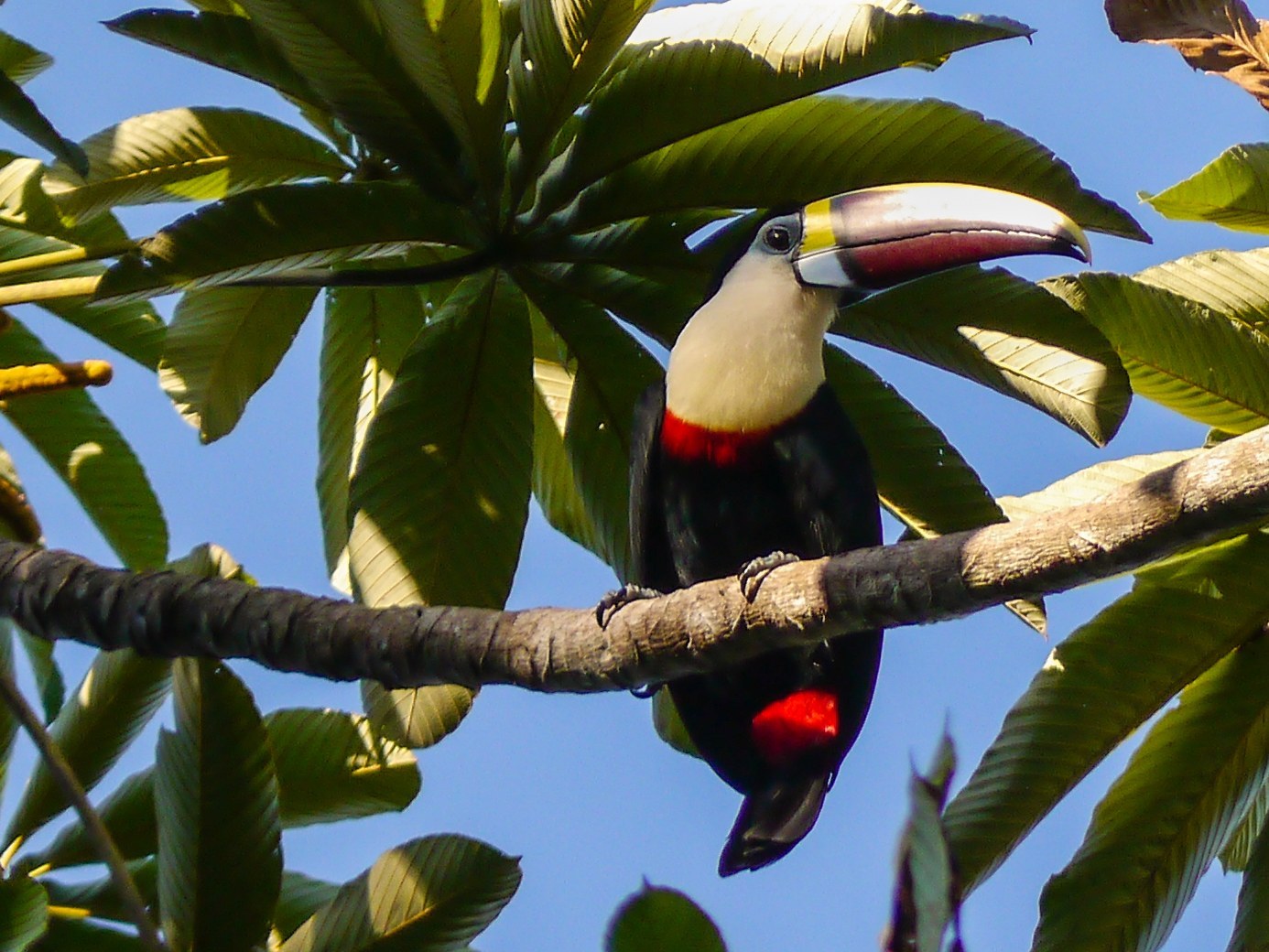
White-throated Toucan
Short rounded contour feathers, short broad wings
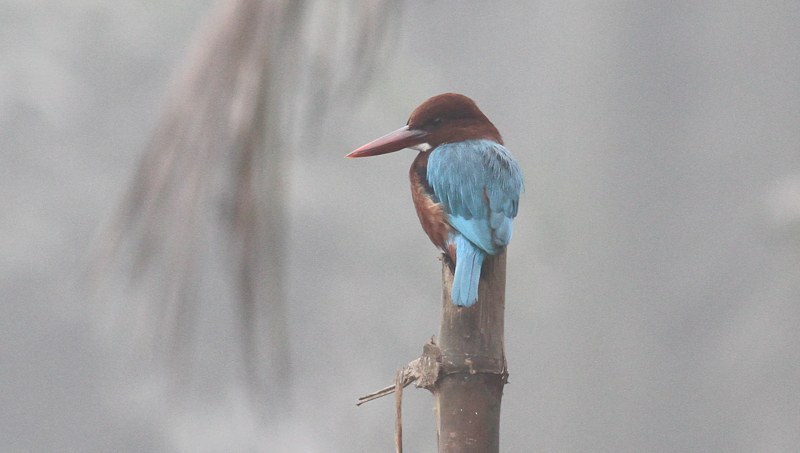
White-throated Kingfisher
Dense contour feathers; broad rounded wings

White-throated Bee-eater
Sleek, aerodynamic contour feathers; elongated central tail streamers
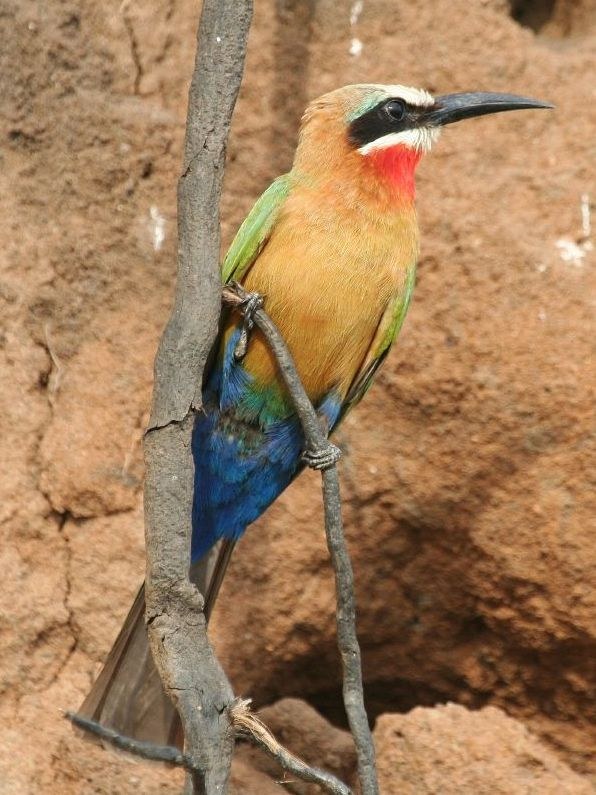
White-fronted Bee-eater
Sleek contour feathers; short tail with slight point

Southern Yellow-billed Hornbill
Slender contour feathers, moderate flight feathers
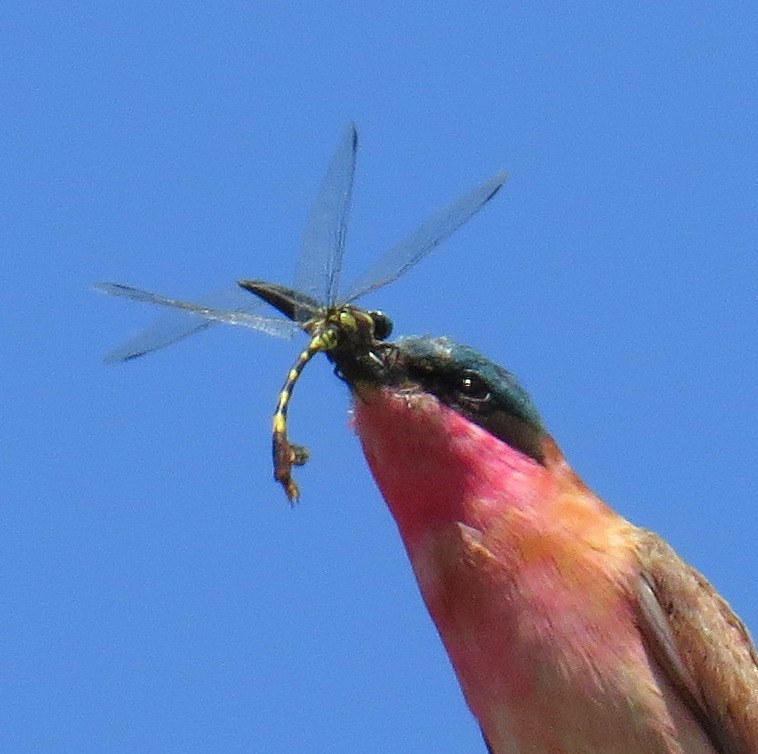
Southern Carmine Bee-eater
Sleek, pointed contour feathers; elongated central tail streamers
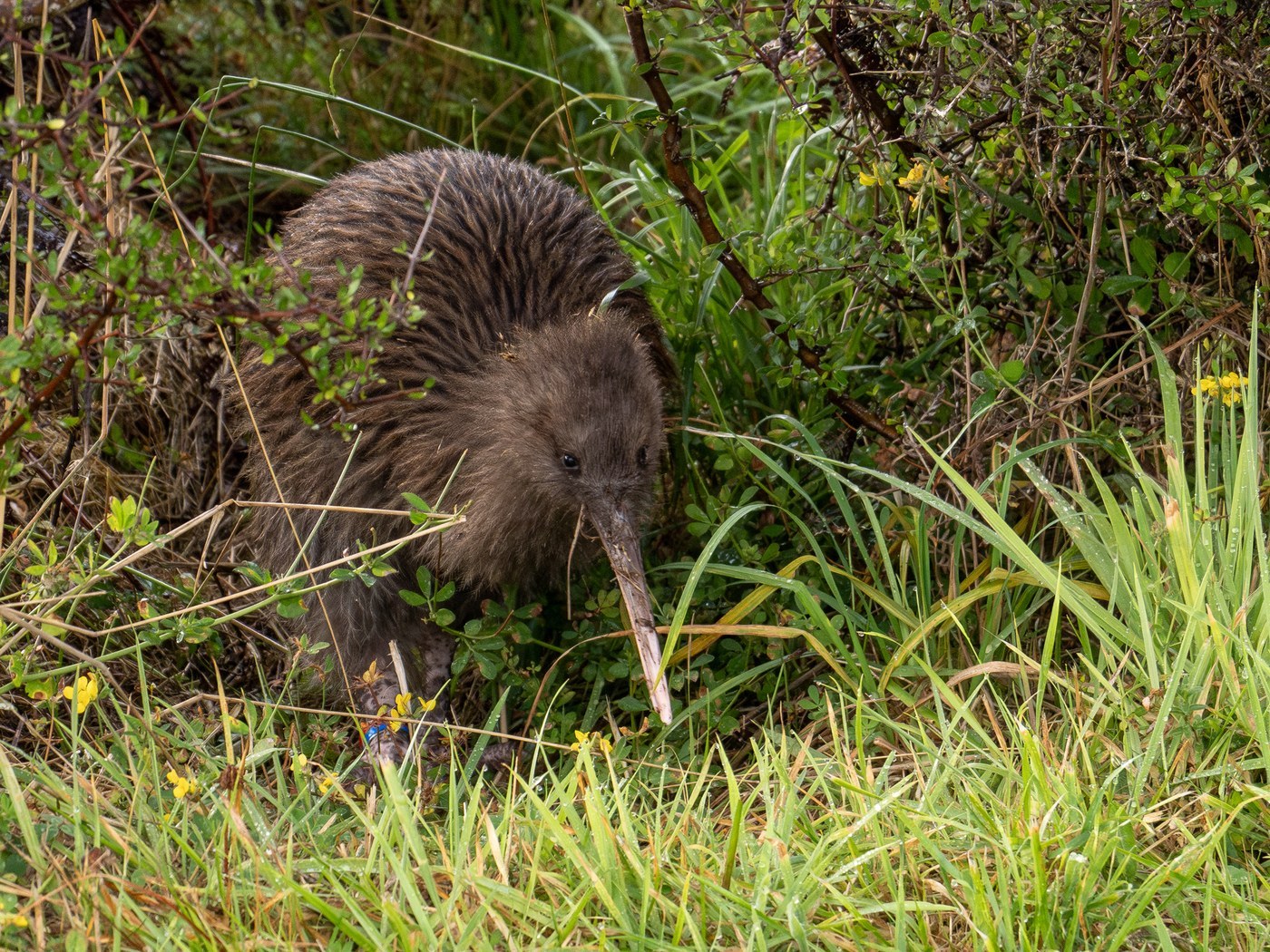
Southern Brown Kiwi
Shaggy, hair-like plumage with loose barbs lacking barbules; flightless, vestigial wings hidden beneath body feathers

Somali Ostrich
Loose, soft plumes lacking interlocking barbules

Wreathed Hornbill
Dense contour feathers, broad flight feathers

Woodland Kingfisher
Firm contour feathers; broad wing feathers