
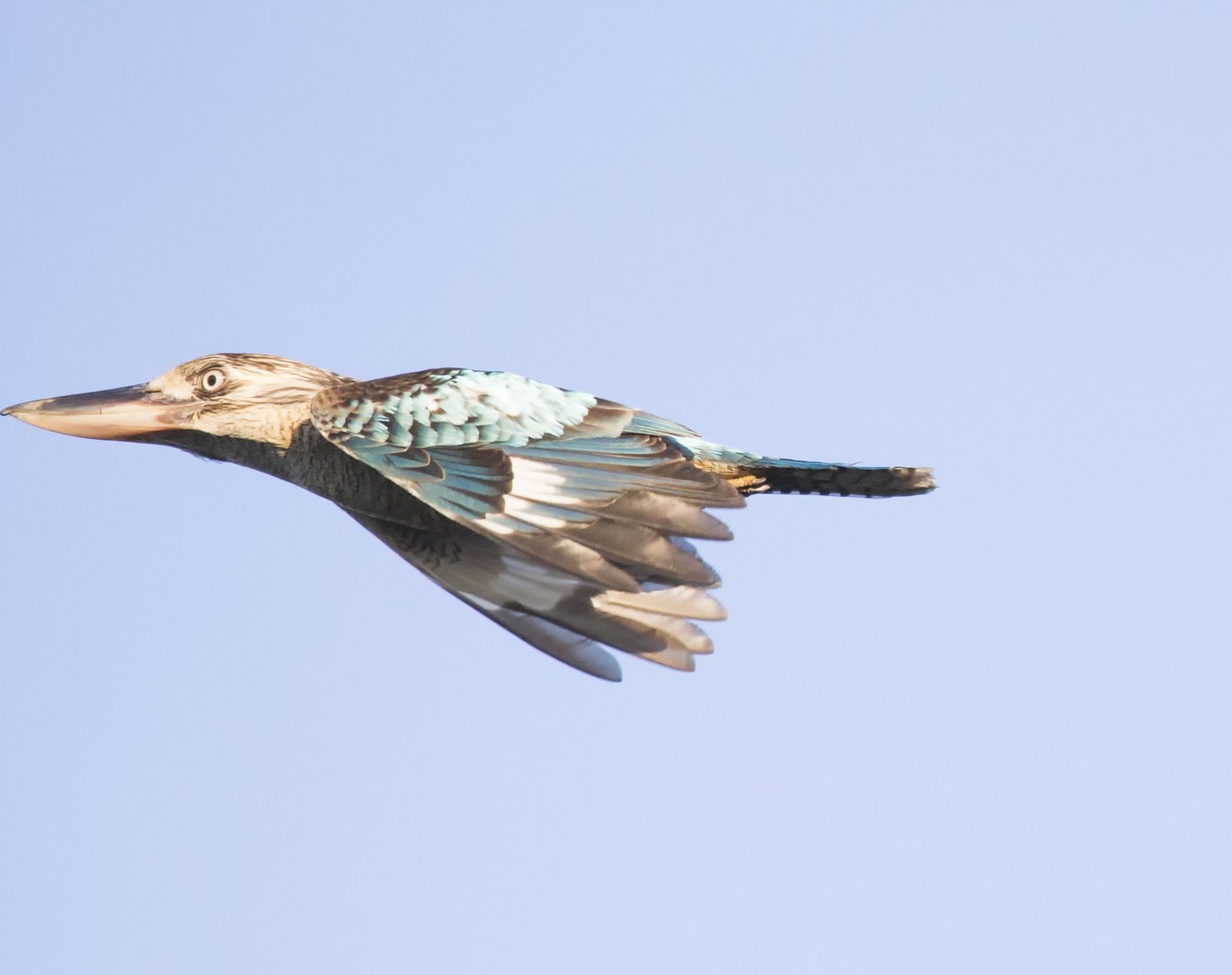
Blue-winged Kookaburra
Dacelo leachii
A northern relative of the Laughing Kookaburra, distinguished by more extensive blue in the wings and a harsher, less musical call.
- Feather type
- Large, coarse contour feathers; broad wings
- Colours
- Pale streaked head, extensive blue wing patches, barred blue tail (males)
- Bird size
- Large, ~38-42 cm
Found a feather like this?
Identify any feather from a photo, free.
Overview
Overview
The Blue-winged Kookaburra occupies open woodland and savanna across northern Australia and New Guinea, overlapping with but ecologically distinct from the Laughing Kookaburra farther south. Its bolder blue wing patches and different vocalizations help separate the two species.
- Found across tropical northern Australia and New Guinea
- More blue in the wing than the Laughing Kookaburra
- Sexes differ more noticeably than in its southern relative
Identifying the Feather
Feather Identification
Blue-winged Kookaburra feathers show more extensive blue than the Laughing Kookaburra.
- Head: pale, finely streaked brown-and-white feathers
- Wings: broad, largely blue coverts, more extensive than the small blue patch of the Laughing Kookaburra
- Tail: blue in males, more rufous-brown and barred in females
- Underparts: pale cream to whitish
The greater extent of blue on the wing and tail, along with a paler, less mottled head, distinguish this species from the Laughing Kookaburra where ranges overlap.
Plumage & Molt
Plumage Details
Males show a blue tail, while females have a more rufous, black-barred tail, a more pronounced difference than seen in the Laughing Kookaburra. Juveniles resemble adults but with duller, less saturated blue tones. A single annual molt maintains plumage with little seasonal shift.
Habitat & Range
Habitat & Range
Found across northern Australia and New Guinea in open woodland, savanna, and gallery forest, generally in warmer, more tropical habitat than the Laughing Kookaburra. It is a non-migratory resident species.
Behavior & Field Notes
Behavior & Field Notes
This kookaburra feeds on insects, small reptiles, and other small animals, hunting from a perch and striking prey against branches. It nests in tree hollows or termite mounds and lives in family groups similar to its southern relative. Its call is harsher and more strident than the mellow laughter of the Laughing Kookaburra. The greater extent of blue in the wings and tail is the most reliable field mark for separating the two species.
Frequently asked questions
How does the Blue-winged Kookaburra differ from the Laughing Kookaburra?
It shows more extensive blue coloring in the wings and tail, a paler streaked head, and gives a harsher, more strident call.
Where is this species found?
Across open woodland and savanna in northern Australia and New Guinea, in warmer habitat than the Laughing Kookaburra.
Do males and females look different?
Yes, males have a blue tail while females show a more rufous, black-barred tail.
What does the Blue-winged Kookaburra eat?
A varied diet of insects, small reptiles, and other small animals caught on the ground or in low vegetation.
Blue-winged Kookaburra guides
In-depth guides for identifying and understanding Blue-winged Kookaburra.
Other feathers you may enjoy

Common Cuckoo
Flight and body feathers
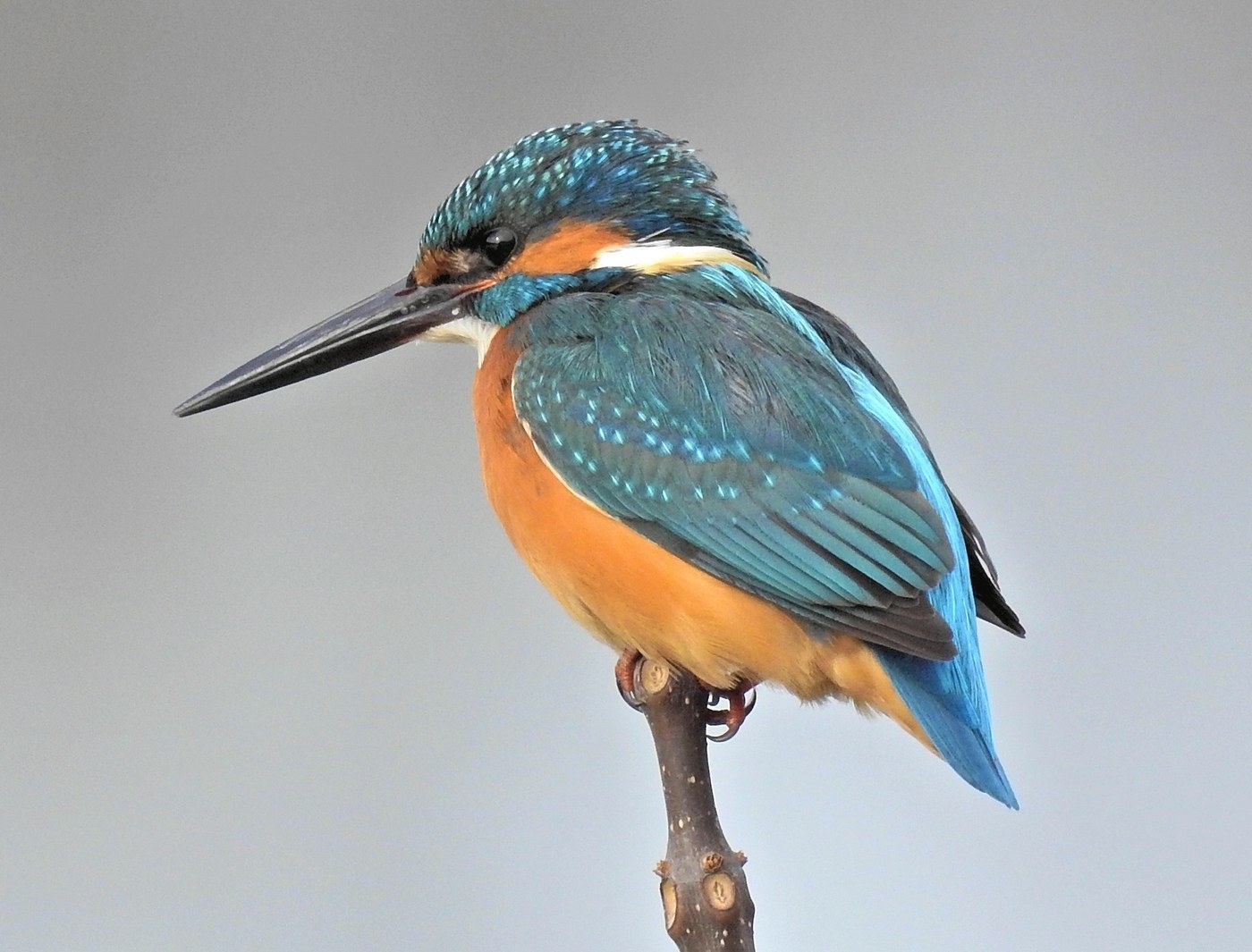
Common Kingfisher
Body (contour) and wing feathers
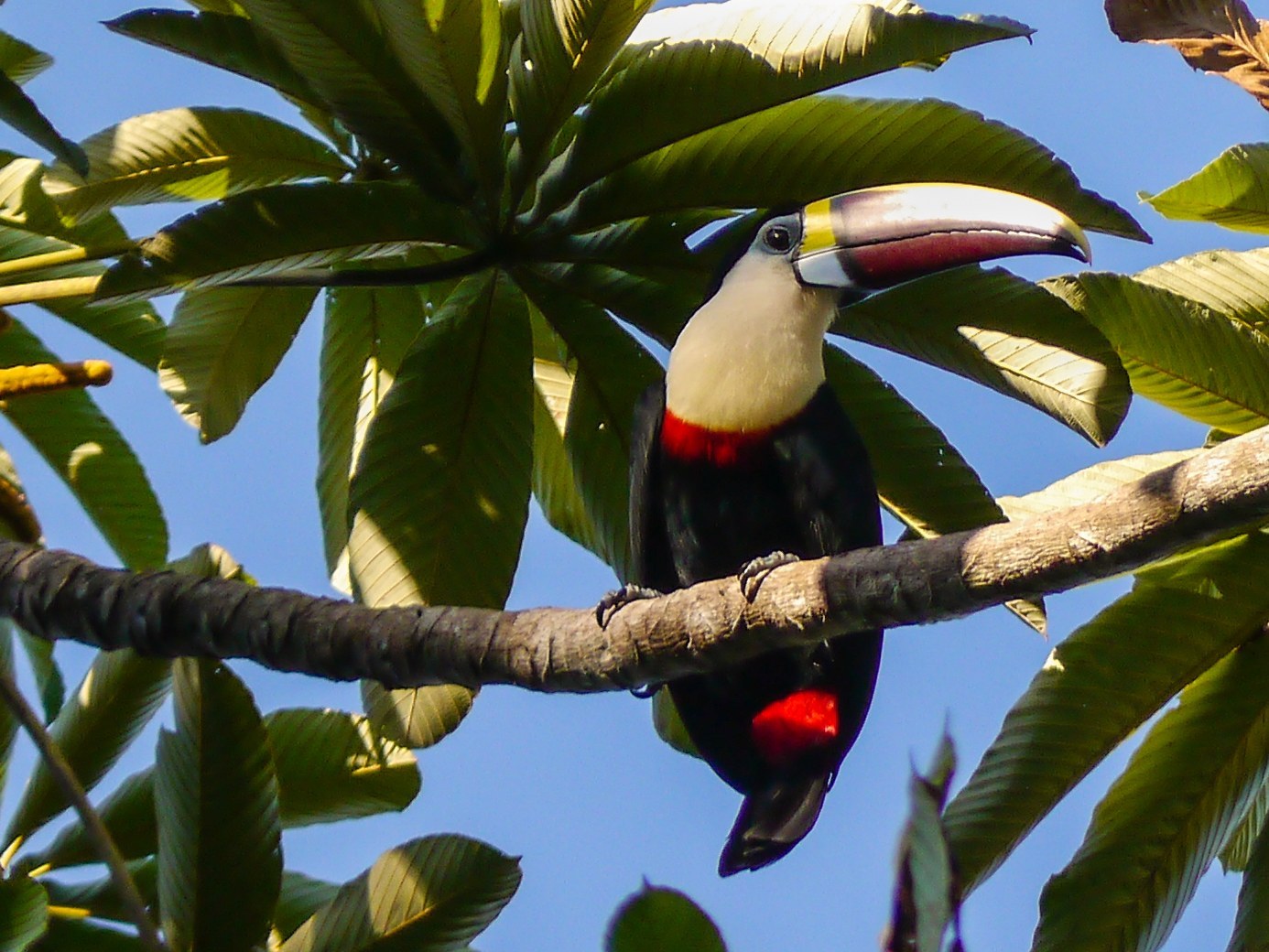
White-throated Toucan
Short rounded contour feathers, short broad wings
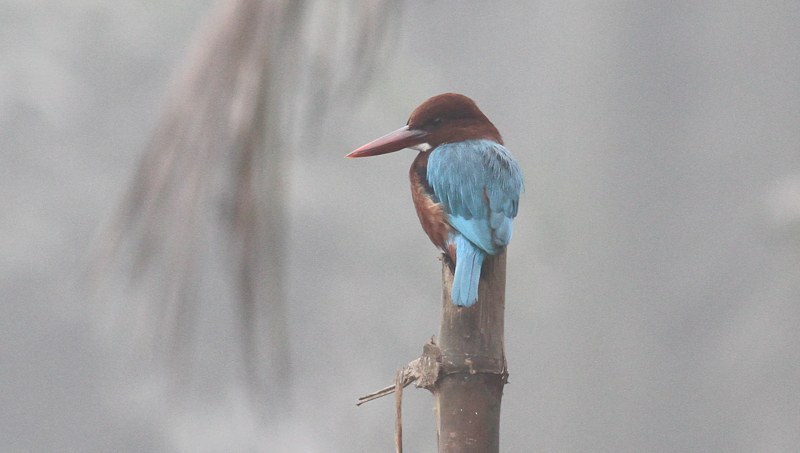
White-throated Kingfisher
Dense contour feathers; broad rounded wings

White-throated Bee-eater
Sleek, aerodynamic contour feathers; elongated central tail streamers
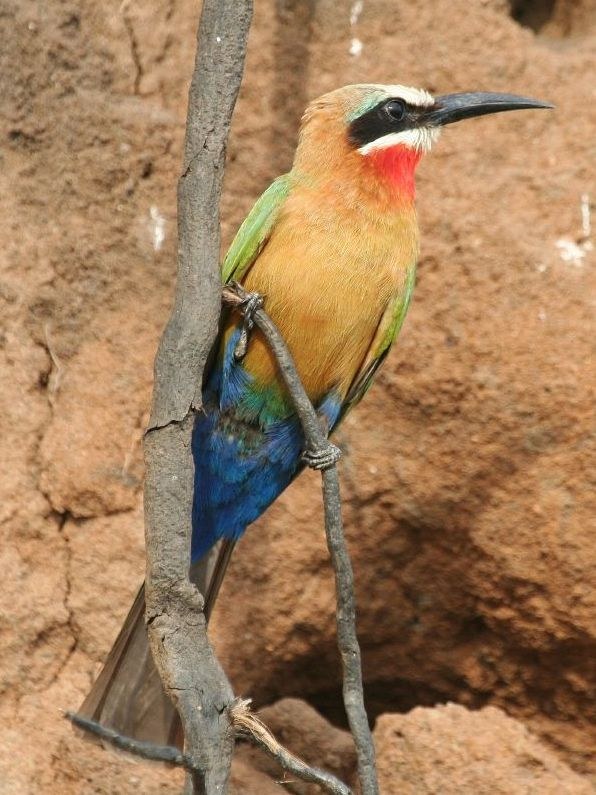
White-fronted Bee-eater
Sleek contour feathers; short tail with slight point

Southern Yellow-billed Hornbill
Slender contour feathers, moderate flight feathers
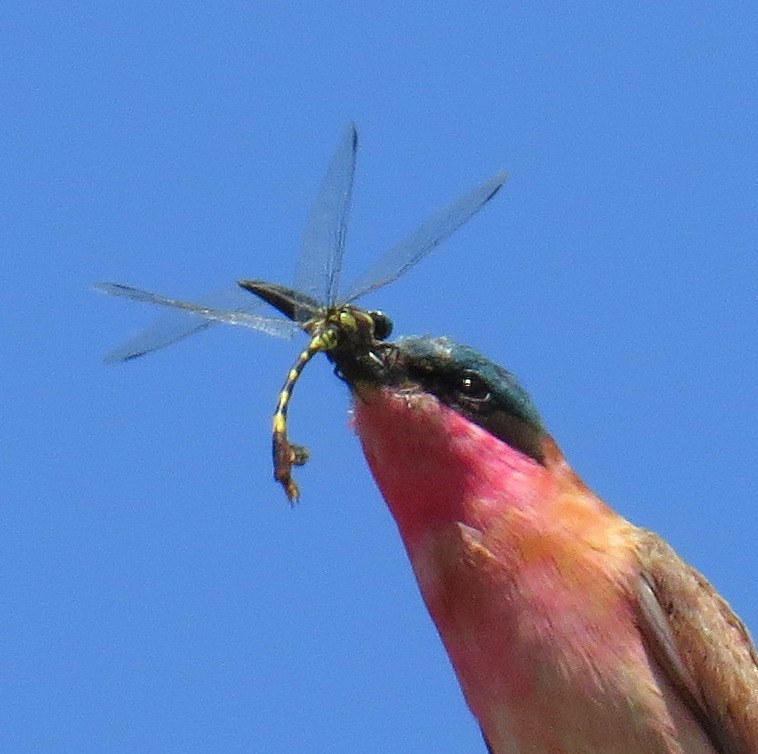
Southern Carmine Bee-eater
Sleek, pointed contour feathers; elongated central tail streamers
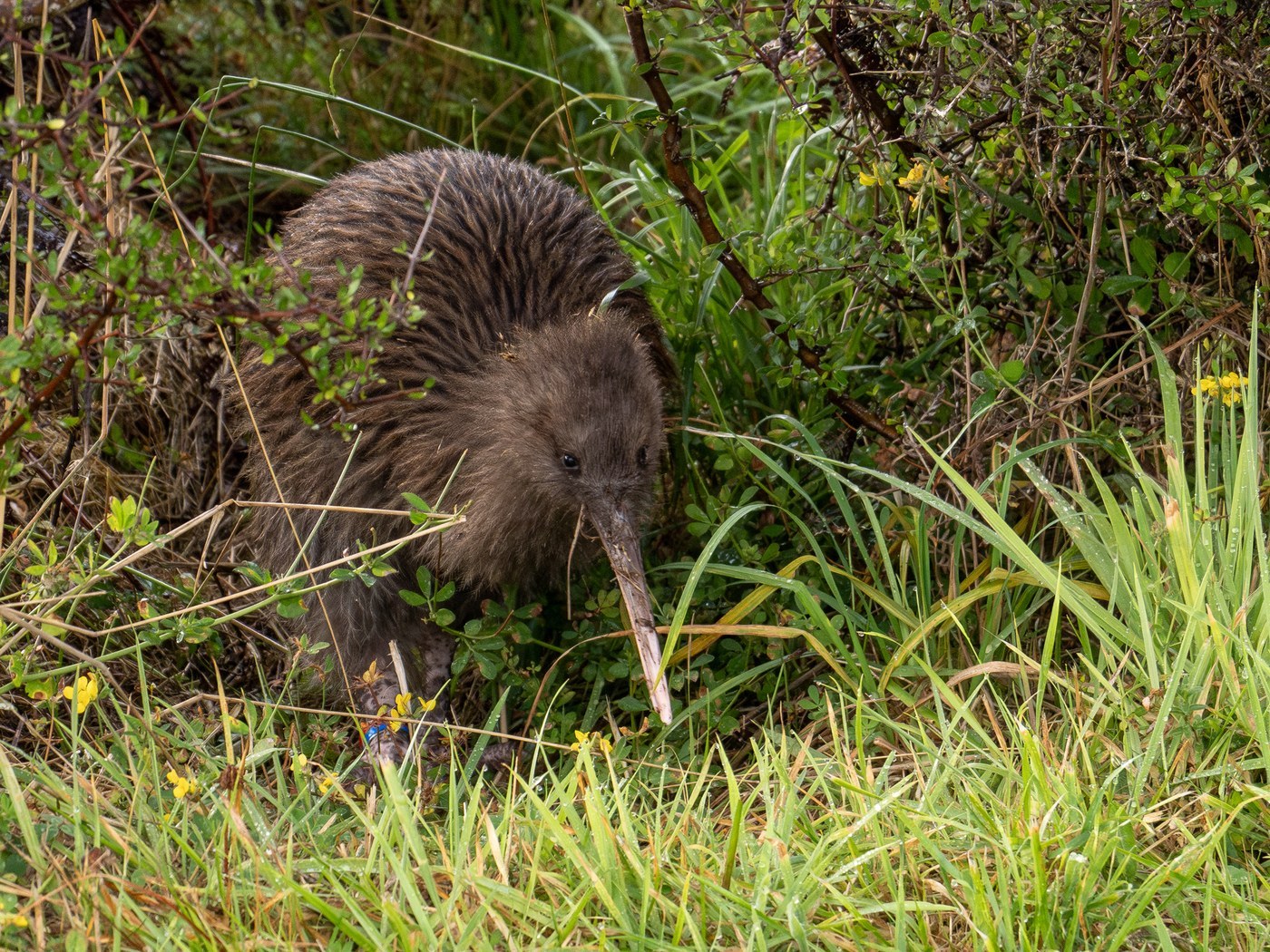
Southern Brown Kiwi
Shaggy, hair-like plumage with loose barbs lacking barbules; flightless, vestigial wings hidden beneath body feathers

Somali Ostrich
Loose, soft plumes lacking interlocking barbules

Wreathed Hornbill
Dense contour feathers, broad flight feathers

Woodland Kingfisher
Firm contour feathers; broad wing feathers