

Chilean Flicker
Colaptes pitius
A ground-foraging flicker of Chile and Argentina, patterned in muted grays and browns to match the temperate woodland-steppe it inhabits.
- Feather type
- Densely barred back and wing feathers suited to open woodland
- Colours
- Brownish-gray barred back, grayish face, pale streaked underparts
- Bird size
- Pigeon-sized, ~32 cm
Found a feather like this?
Identify any feather from a photo, free.
Overview
The Chilean Flicker ranges through the temperate forests, scrub, and open steppe of central and southern Chile and adjacent Argentina. It shares the flicker genus's ground-foraging habit, often seen walking across pasture or open woodland floor.
Its plumage is more subdued than tropical flickers, dominated by grays and browns with fine barring, blending into the drier, cooler habitats it favors at the southern end of the woodpecker family's range.
Identifying the Feather
- Back: brownish-gray ground crossed by fine dark bars
- Face: grayish, without strong contrasting stripes
- Underparts: pale with dark streaking rather than heavy barring
- Rump: pale patch visible in flight, typical of the genus
- Vs. Andean Flicker: Chilean Flicker is grayer and occupies lower-elevation woodland-steppe rather than high puna grassland
Plumage & Molt
Males show a red malar stripe absent in females, otherwise the sexes are similar in overall pattern. Juveniles are duller with softer barring. It follows a single annual molt cycle timed to the austral breeding season.
Habitat & Range
Found in open Nothofagus woodland, scrub, and adjacent steppe across central and southern Chile and neighboring Argentina, including Patagonian habitats. It is a year-round resident, though it may move short distances in response to winter weather at higher latitudes.
Behavior & Field Notes
Forages largely on the ground and on fallen logs for ants and other invertebrates, walking with the flicker family's characteristic upright gait. It excavates nest cavities in dead trees or posts. Vocalizations include loud, harsh chattering calls similar to other flickers, often given in flight or from an exposed perch.
Frequently asked questions
Where does the Chilean Flicker live?
It is found in open woodland, scrub, and steppe habitats across central and southern Chile and adjacent parts of Argentina, including Patagonian regions.
How is it different from other South American flickers?
It shows a grayer, more muted overall tone with fine barring, suited to temperate woodland-steppe rather than tropical grassland or high alpine puna.
Does it feed on tree bark like typical woodpeckers?
It feeds mainly on the ground for ants and other invertebrates, following the ground-foraging pattern typical of flickers.
Is the Chilean Flicker migratory?
It is generally a year-round resident, though some local movement can occur in response to seasonal weather.
Chilean Flicker guides
In-depth guides for identifying and understanding Chilean Flicker.

Other feathers you may enjoy

Ivory-billed Woodpecker
Very large flight feathers with a solid white trailing patch

Great Slaty Woodpecker
Massive, uniformly colored contour feathers

Yellow-tufted Woodpecker
Black body feathers with bright yellow forehead tufts

Magellanic Woodpecker
Very large, glossy contour feathers with a recurved crest

Yellow-bellied Sapsucker
Black-and-white patterned back and facial-stripe feathers
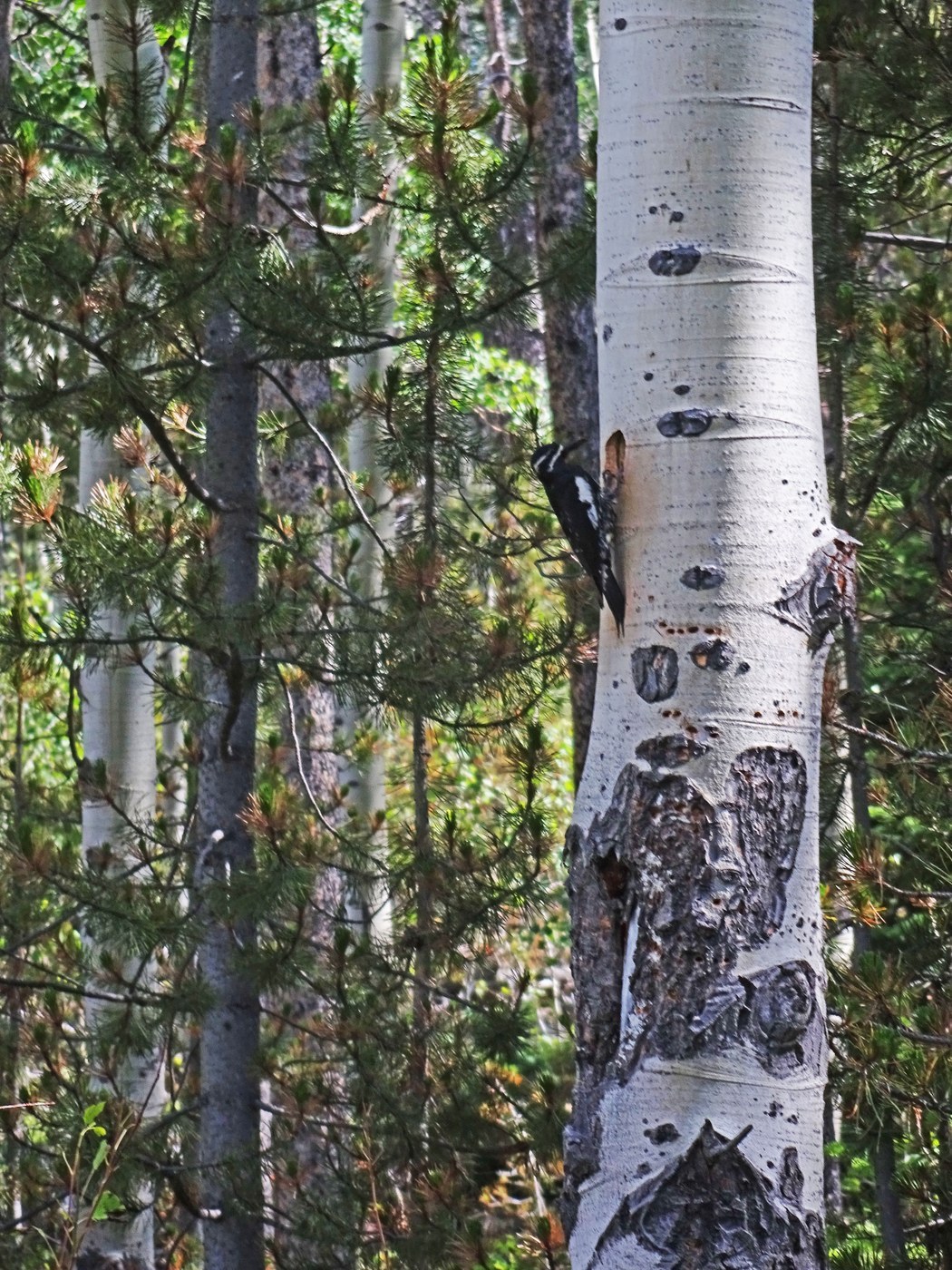
Williamson's Sapsucker
Strongly sexually dimorphic body feathers, glossy black or finely barred brown

Yellow-crowned Woodpecker
Contour and flight feathers

White Woodpecker
Mostly white body feathers with contrasting black wings and back

Red-throated Wryneck
Soft, cryptically mottled contour feathers

White-bellied Woodpecker
Large, glossy black contour and flight feathers

White-backed Woodpecker
Barred back feathers rather than a solid white patch
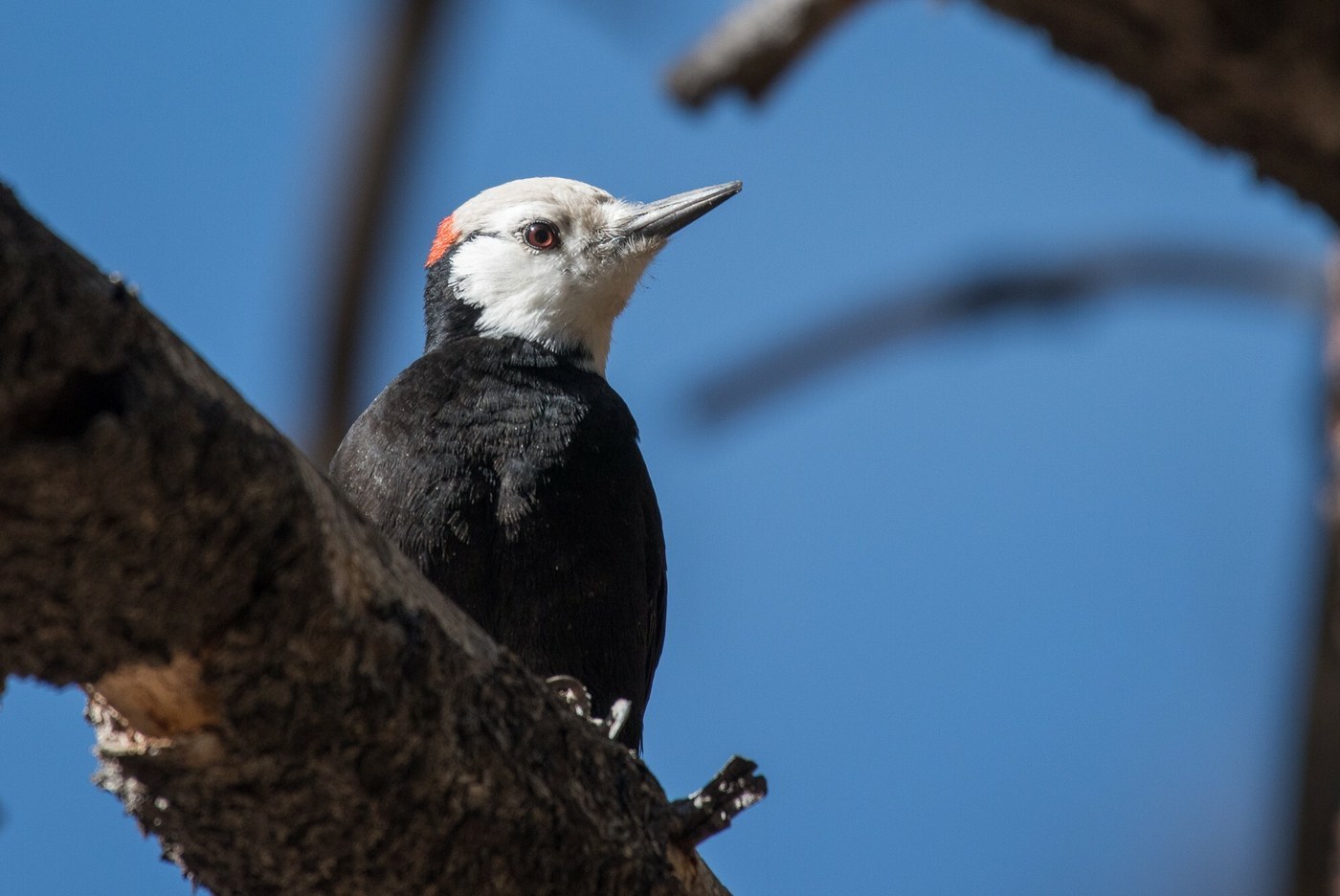
White-headed Woodpecker
Solid black body feathers with an entirely white head