
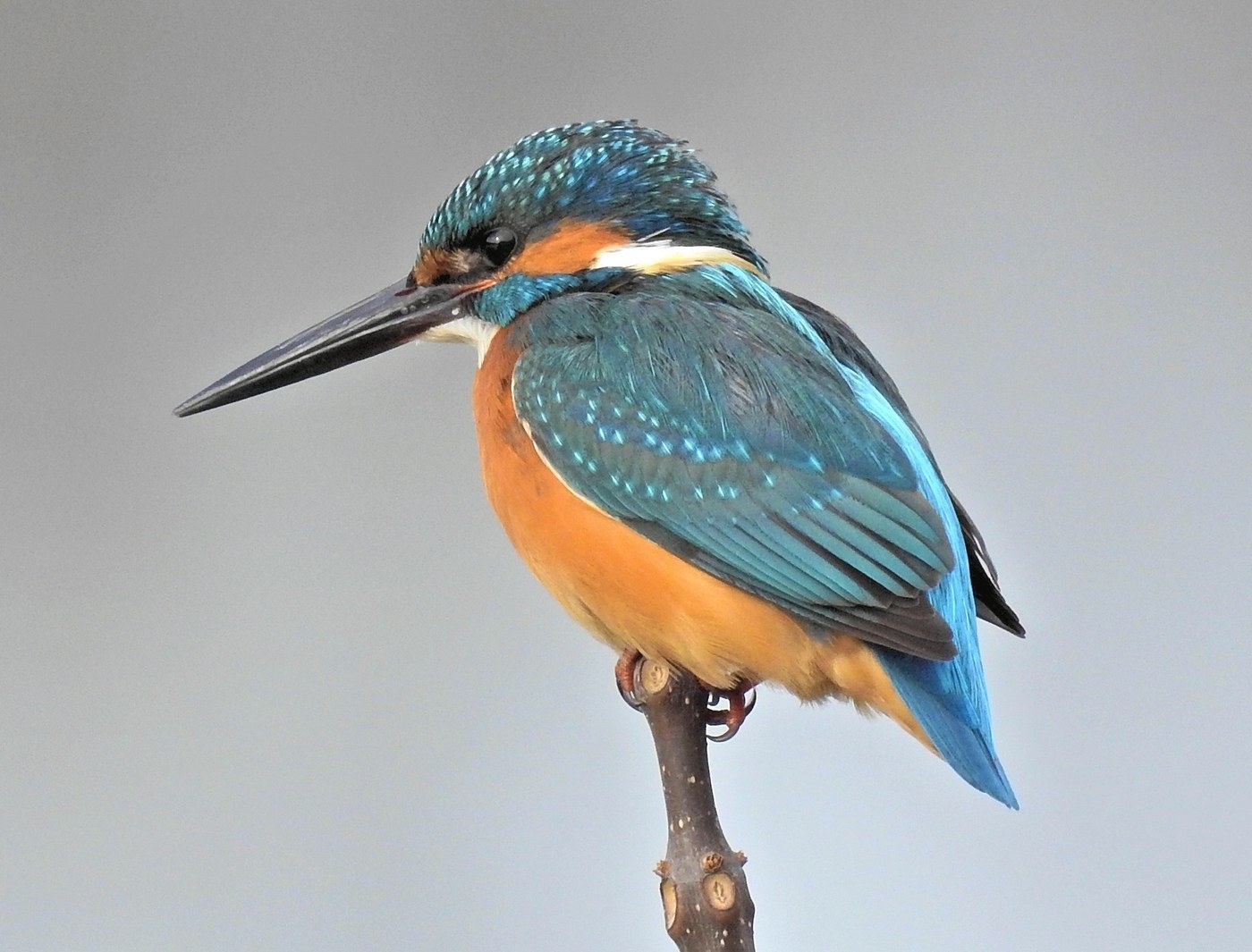
Common Kingfisher
Alcedo atthis
A small, jewel-like bird whose brilliant structurally iridescent blue back feathers and warm orange underparts make it one of the most vividly colored birds along any river.
- Feather type
- Body (contour) and wing feathers
- Colours
- Iridescent blue-green back, rich orange-chestnut underparts, white throat patch
- Bird size
- Small, ~16-17 cm
Found a feather like this?
Identify any feather from a photo, free.
Overview
The Common Kingfisher is a small, fast-flying bird found along rivers and streams across Europe, Asia, and North Africa, prized for its brilliant plumage and characteristic perch-and-dive fishing technique.
Identifying the Feather
Common Kingfisher back and wing covert feathers show an intense, shimmering blue-green iridescence created by microscopic feather structure rather than pigment, meaning the exact shade shifts from turquoise to deep blue depending on the angle of light. The underparts are a rich, warm orange-chestnut, sharply set off from a small white patch on the throat and a white spot near the ear coverts. Wing and tail feathers are short and rounded, adapted for quick, direct flight rather than sustained soaring.
Plumage & Molt
Sexes are very similar, though the lower mandible of the bill is often orange or reddish in females and mostly black in males (a bill rather than feather feature). Juveniles are duller and greener above with a less crisp orange breast and a narrow dark breast band, brightening after the first molt. Adults undergo a complete molt after breeding.
Habitat & Range
Common Kingfishers favor clear, slow-flowing rivers, streams, canals, and lake margins with overhanging perches and earth banks suitable for burrow nests. The species ranges across Europe, North Africa, and much of Asia, with northern populations partially migratory to escape frozen waters and southern populations largely resident.
Behavior & Field Notes
Common Kingfishers hunt by perching over water and diving directly onto small fish and aquatic invertebrates, sometimes hovering briefly before a strike. The call is a short, high-pitched whistle often heard before the bird is seen, given in fast, low flight along waterways. Nests are excavated as burrows in earthen riverbanks.
Frequently asked questions
Why does a Common Kingfisher feather look different colors depending on the light?
The blue-green color is produced by microscopic structures in the feather barbs rather than pigment, so the iridescent hue shifts with the angle of illumination.
How can I tell male from female Common Kingfishers?
The clearest difference is bill color rather than plumage, with females often showing an orange or reddish lower mandible compared to the mostly black bill of males.
Are juvenile Common Kingfisher feathers as bright as adult feathers?
No, juveniles are duller and greener above with a narrow dark breast band, brightening into full adult coloration after their first molt.
Where are Common Kingfisher feathers typically found?
Along clear rivers, streams, and lake edges with earthen banks suitable for the species' burrow nests.
Common Kingfisher guides
In-depth guides for identifying and understanding Common Kingfisher.
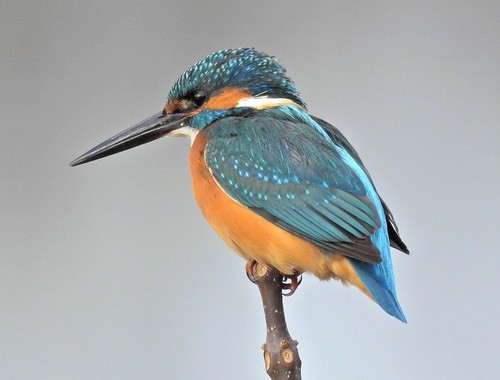
Common Kingfisher identified by the community
Real feathers identified with Feather Identifier.


Other feathers you may enjoy

Common Cuckoo
Flight and body feathers
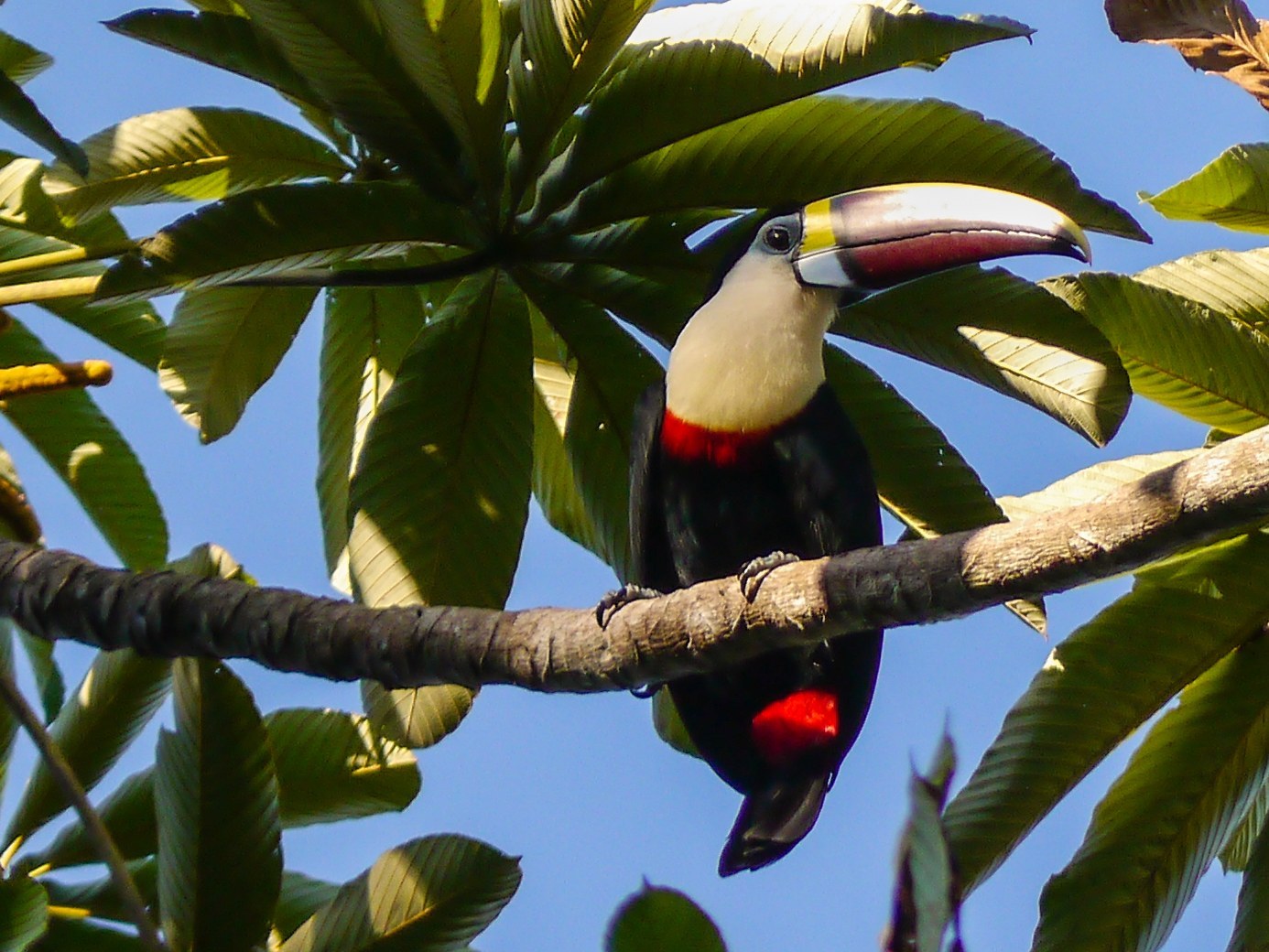
White-throated Toucan
Short rounded contour feathers, short broad wings
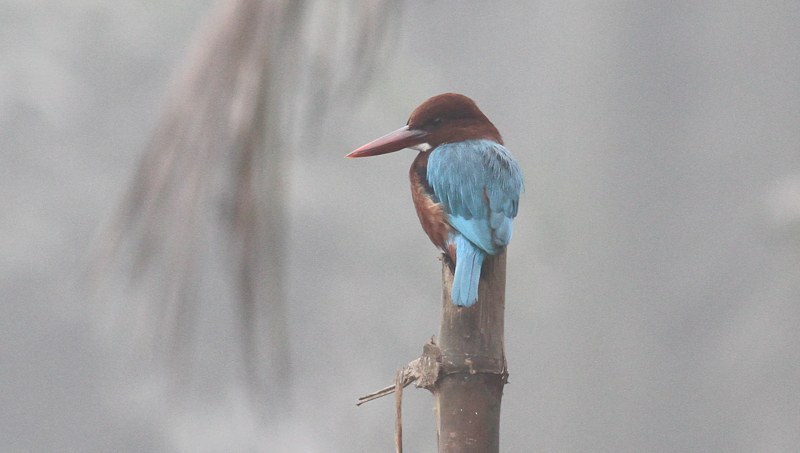
White-throated Kingfisher
Dense contour feathers; broad rounded wings

White-throated Bee-eater
Sleek, aerodynamic contour feathers; elongated central tail streamers
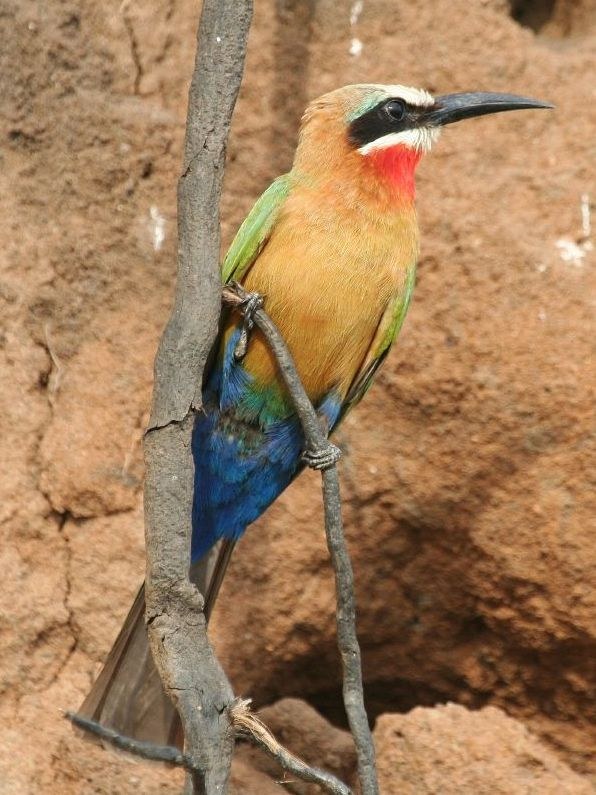
White-fronted Bee-eater
Sleek contour feathers; short tail with slight point

Southern Yellow-billed Hornbill
Slender contour feathers, moderate flight feathers
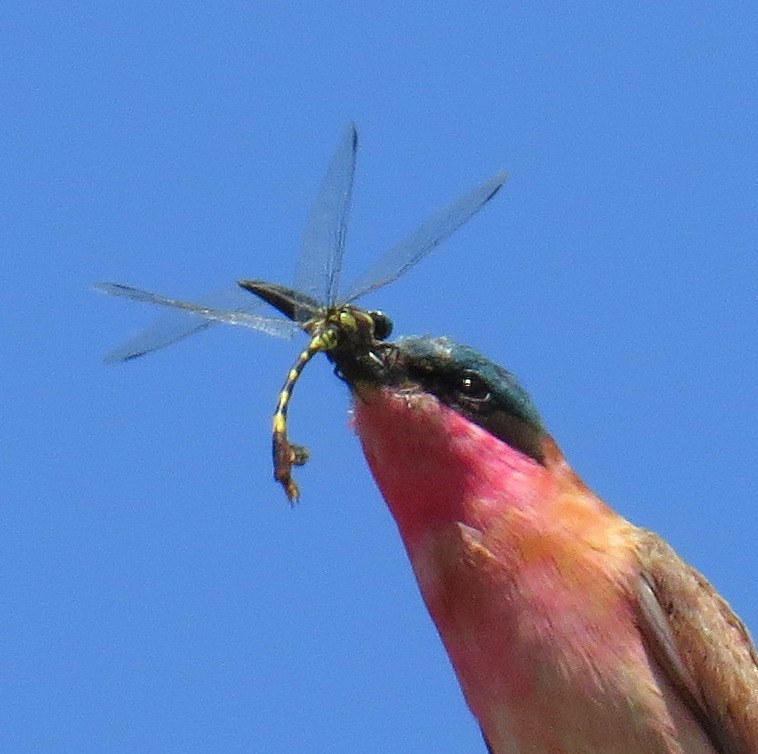
Southern Carmine Bee-eater
Sleek, pointed contour feathers; elongated central tail streamers
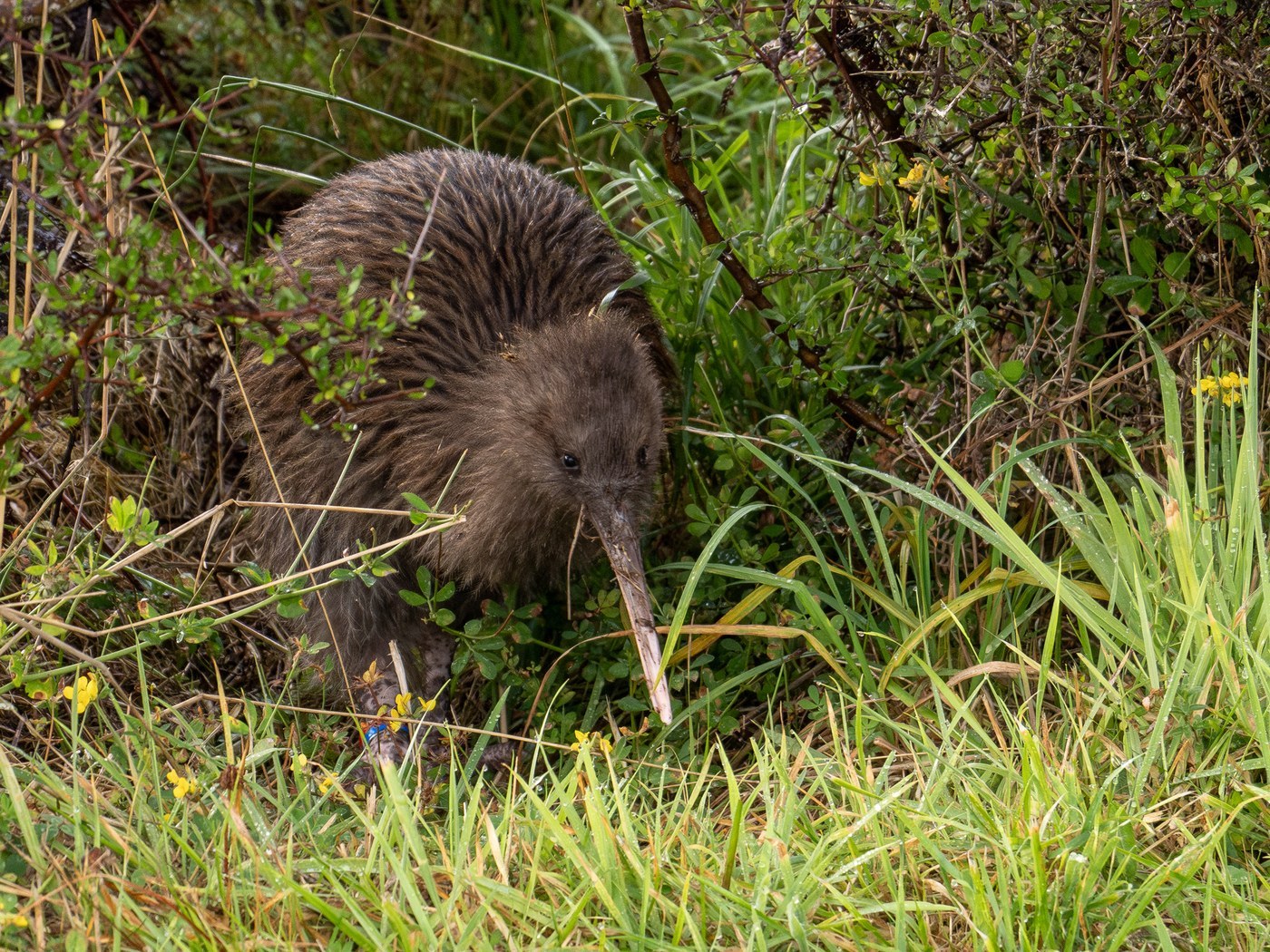
Southern Brown Kiwi
Shaggy, hair-like plumage with loose barbs lacking barbules; flightless, vestigial wings hidden beneath body feathers

Somali Ostrich
Loose, soft plumes lacking interlocking barbules

Wreathed Hornbill
Dense contour feathers, broad flight feathers

Woodland Kingfisher
Firm contour feathers; broad wing feathers

Russet-crowned Motmot
Dense contour feathers with elongated, racket-tipped central tail feathers