

Double-crested Cormorant
Nannopterum auritum
A widespread, glossy black waterbird with a bright orange-yellow throat patch, often seen perched with wings spread to dry after diving.
- Feather type
- Dense, glossy body feathers and sturdy flight feathers
- Colours
- Blackish overall with an orange-yellow throat patch
- Bird size
- Large, ~70-90 cm
Found a feather like this?
Identify any feather from a photo, free.
Overview
Overview
The Double-crested Cormorant is a common and widespread waterbird found on both coastal and inland waters across North America, easily recognized by its overall blackish plumage and bright orange-yellow throat skin. Its habit of perching with wings outstretched to dry is a familiar behavioral clue even at a distance.
The 'double-crested' name refers to small tufts of feathers that develop briefly on the head during the breeding season, which can be black or white depending on the population, though these are subtle and not always visible.
Identifying the Feather
Double-crested Cormorant feathers are blackish and relatively unpatterned, typical of cormorants generally.
- Body feathers: Glossy black to blackish-brown overall, with a faint bronze or greenish sheen in good light.
- Throat and facial skin: Bright orange-yellow, though this is bare skin rather than feathers.
- Breeding crests: Small tufts of black or white feathers appear briefly on the head during the breeding season, varying by population.
- Compared to Great Cormorant: Double-crested Cormorant lacks the white throat patch and white flank patch of breeding Great Cormorants, and is generally a smaller-bodied bird with proportionately smaller feathers.
Plumage & Molt
Adults are glossy blackish overall with a subtle bronze-green sheen, an orange-yellow throat patch of bare skin, and small breeding-season crest tufts on the head that can be black or white depending on the population. Sexes look alike. Juveniles are browner overall, especially on the neck and breast, gradually darkening to the glossier adult black plumage with maturity. Molt occurs on an annual cycle outside the peak breeding period.
Habitat & Range
Double-crested Cormorants are found on a wide range of waters across North America, including coastal bays, lakes, rivers, and reservoirs, showing considerable habitat flexibility compared to some more strictly marine cormorant species. Northern populations migrate south for the winter, while populations in milder regions may remain resident year-round.
Behavior & Field Notes
This cormorant feeds by diving from the surface and pursuing fish underwater with strong swimming strokes, often foraging alone or in loose groups. Because its feathers are less waterproof than many waterbirds, it frequently perches with wings spread to dry after fishing bouts. Nesting occurs colonially in trees, on cliffs, or on the ground depending on location, with a clutch of several eggs. Calls are low grunts and croaks given mainly at breeding colonies.
Frequently asked questions
How can I identify a Double-crested Cormorant feather?
Look for glossy blackish feathers with a subtle bronze-green sheen, and if a facial area is present, a bright orange-yellow patch of bare throat skin.
Why does the Double-crested Cormorant perch with its wings spread?
Its feathers are less waterproof than many waterbirds, so it dries its plumage by perching with wings outstretched after diving for fish.
What are the 'double crests' referenced in this species' name?
Small tufts of feathers that develop briefly on the head during the breeding season, which can be black or white depending on the population.
Where would a Double-crested Cormorant feather likely be found?
Around a wide variety of waters across North America, including coastal bays, lakes, rivers, and reservoirs.
Double-crested Cormorant guides
In-depth guides for identifying and understanding Double-crested Cormorant.

Double-crested Cormorant identified by the community
Real feathers identified with Feather Identifier.


Other feathers you may enjoy

Western Gull
Body, flight, and tail feathers
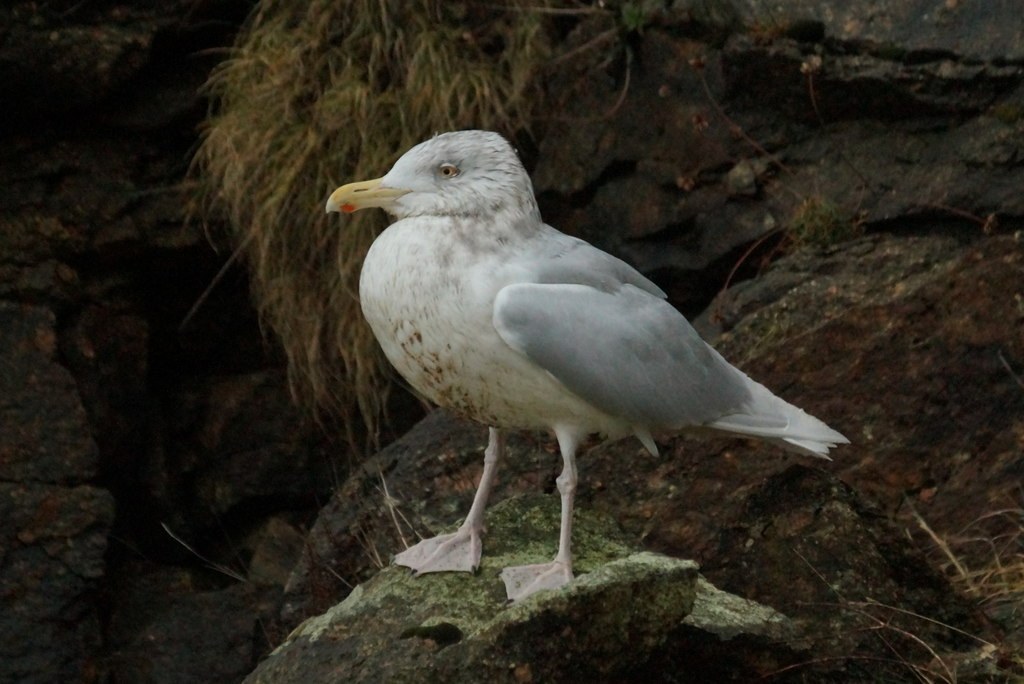
Glaucous Gull
Body, flight, and tail feathers

American Herring Gull
Body, flight, and tail feathers

Great Black-backed Gull
Body, flight, and tail feathers

Common Gull
Body, flight, and tail feathers
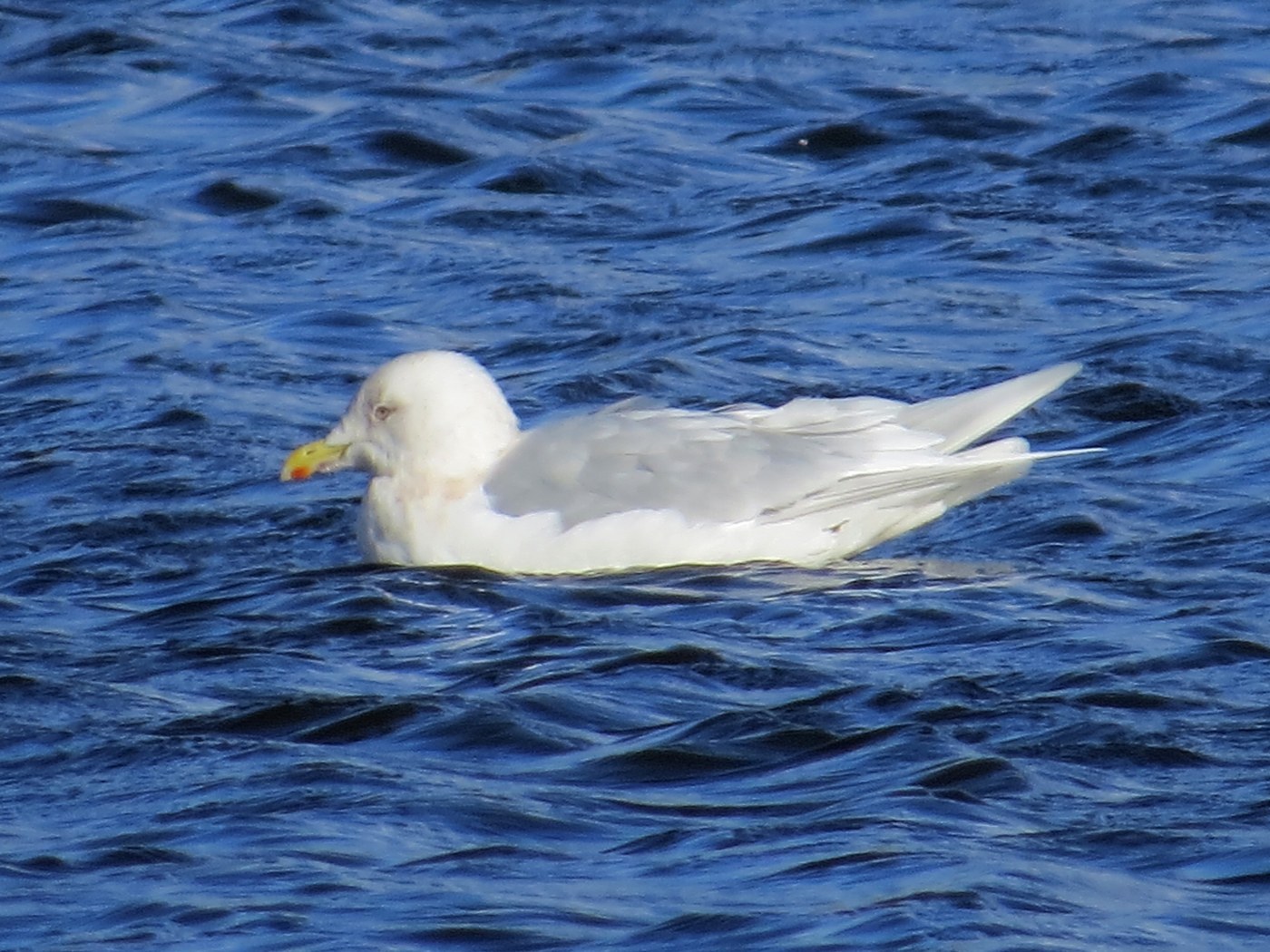
Iceland Gull
Body, flight, and tail feathers

Ring-billed Gull
Body, flight, and tail feathers

Glaucous-winged Gull
Body, flight, and tail feathers

Herring Gull
Body, flight, and tail feathers

Lesser Black-backed Gull
Body, flight, and tail feathers

California Gull
Body, flight, and tail feathers
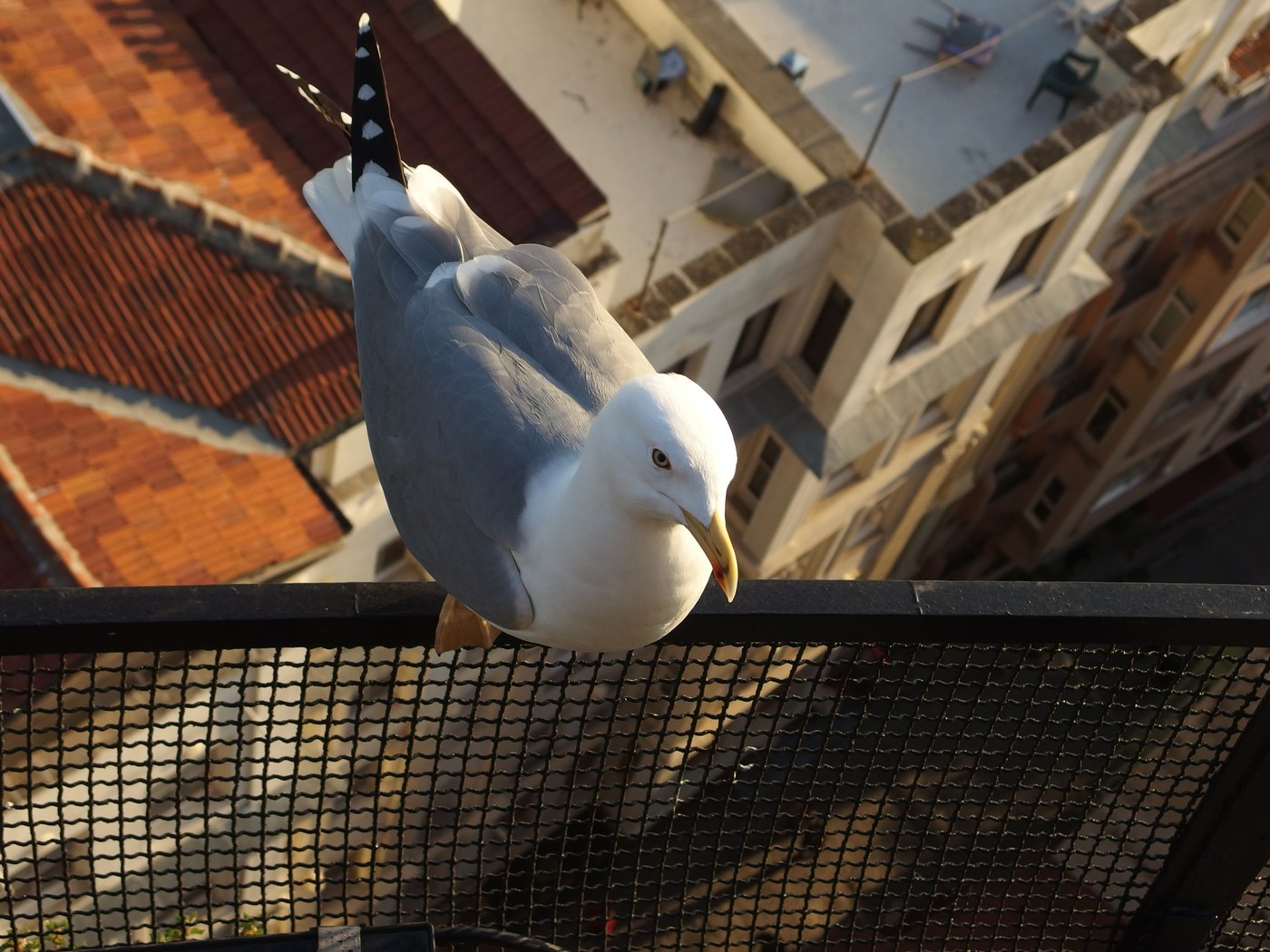
Yellow-legged Gull
Body, wing covert, and flight feathers