

Fulvous-breasted Woodpecker
Dendrocopos macei
A small South Asian pied woodpecker whose warm, buffy-fulvous breast streaking sets it apart from the whiter underparts of related pied woodpeckers.
- Feather type
- Contour and flight feathers, barred and streaked
- Colours
- Black-and-white barred back, buffy fulvous breast with streaking
- Bird size
- Small woodpecker, ~18 cm
Found a feather like this?
Identify any feather from a photo, free.
Overview
The Fulvous-breasted Woodpecker is a small, active woodpecker of open and semi-open woodland across the Indian subcontinent. It shares the classic black-and-white barred back of many pied woodpeckers but is distinguished by a warm buffy wash and streaking across the breast.
It is a familiar species in scrub, deciduous forest, and cultivated country with scattered trees.
Identifying the Feather
- Back and wing feathers show crisp black-and-white barring typical of pied woodpeckers
- Breast and upper belly feathers carry a distinct buffy-fulvous (warm tawny) ground color with dark streaking, unlike the cleaner white underparts of many relatives
- Male shows a red patch on the rear crown, absent in females
- Flank feathers are streaked rather than barred
- Tail feathers are black with white markings near the tip, stiffened for bracing
Plumage & Molt
Males have a red patch confined to the back of the crown; females lack red entirely on the head. Juveniles show a duskier, less defined breast pattern and may show some red on the crown regardless of sex. A single complete molt occurs after breeding.
Habitat & Range
- Found across the Indian subcontinent, including much of India, Nepal, and Bangladesh
- Prefers open deciduous woodland, scrub, groves, and cultivated land with scattered trees
- Resident, non-migratory
Behavior & Field Notes
This species forages actively on trunks, branches, and smaller twigs, taking wood-boring insect larvae, ants, and other invertebrates. It gives sharp, chattering calls and drums in short bursts. Nest cavities are excavated in dead branches or trunks, often at low to moderate height.
Frequently asked questions
What makes the breast feathers distinctive?
They show a warm, buffy-fulvous ground color with dark streaking, differing from the cleaner white underparts typical of many related pied woodpeckers.
How can males be told from females?
Males show a small red patch on the rear crown; females lack red on the head entirely.
Is the back pattern useful for identification?
The barred black-and-white back is shared with several relatives, so the buffy breast streaking is the more diagnostic feature.
What habitat is this species associated with?
Open deciduous woodland, scrub, and cultivated land with scattered trees across the Indian subcontinent.
Fulvous-breasted Woodpecker guides
In-depth guides for identifying and understanding Fulvous-breasted Woodpecker.

Other feathers you may enjoy

Ivory-billed Woodpecker
Very large flight feathers with a solid white trailing patch

Great Slaty Woodpecker
Massive, uniformly colored contour feathers

Yellow-tufted Woodpecker
Black body feathers with bright yellow forehead tufts

Magellanic Woodpecker
Very large, glossy contour feathers with a recurved crest

Yellow-bellied Sapsucker
Black-and-white patterned back and facial-stripe feathers
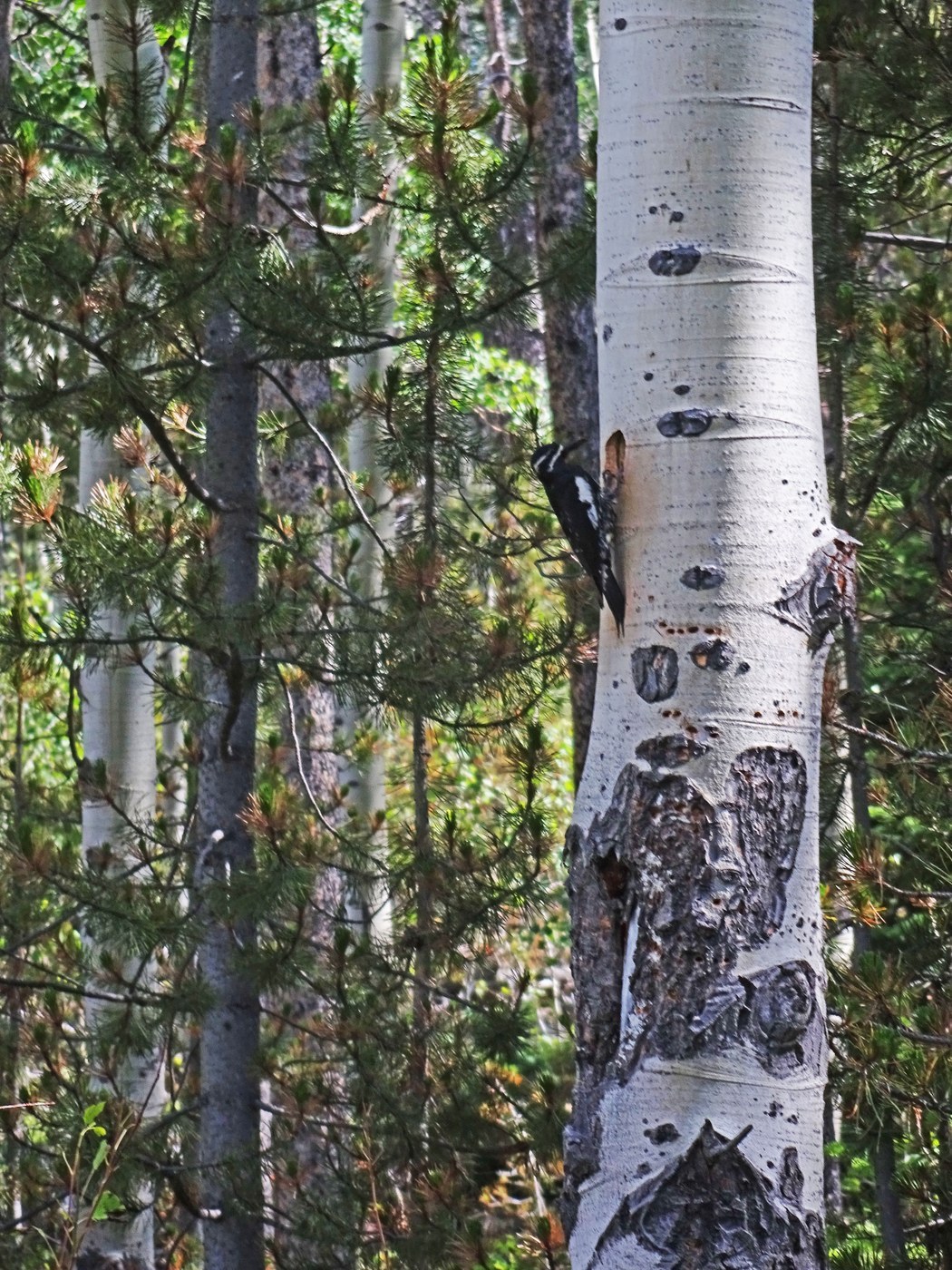
Williamson's Sapsucker
Strongly sexually dimorphic body feathers, glossy black or finely barred brown

Yellow-crowned Woodpecker
Contour and flight feathers

White Woodpecker
Mostly white body feathers with contrasting black wings and back

Red-throated Wryneck
Soft, cryptically mottled contour feathers

White-bellied Woodpecker
Large, glossy black contour and flight feathers

White-backed Woodpecker
Barred back feathers rather than a solid white patch
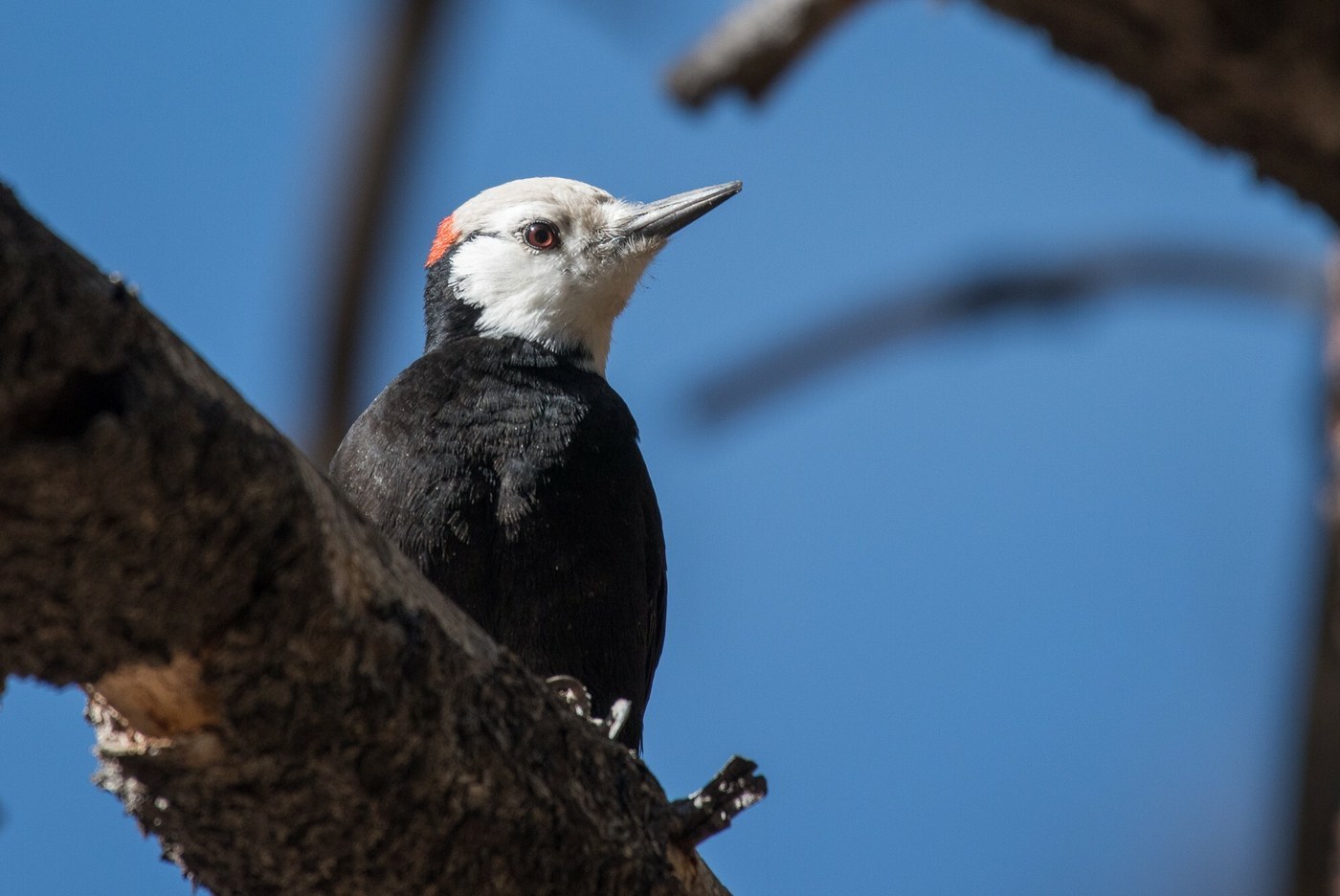
White-headed Woodpecker
Solid black body feathers with an entirely white head