

Green-barred Woodpecker
Colaptes melanochloros
A colorful South American flicker relative with an olive-green barred back and bright yellow underparts marked with dark scalloping.
- Feather type
- Olive-green barred back feathers with yellow underparts
- Colours
- Olive-green and black barred back, red crown, yellow underparts
- Bird size
- Robin-to-jay-sized, ~30 cm
Found a feather like this?
Identify any feather from a photo, free.
Overview
The Green-barred Woodpecker ranges widely across central and eastern South America, from woodland edges and gallery forest to savanna and scrub. Unlike the plain-backed flickers of open grassland, it shows a more richly colored, olive-green barred pattern above.
Its combination of green-and-black barring on the back with warm yellow, scalloped underparts makes it a distinctive member of the flicker group, and males add a bright red crown to the mix.
Identifying the Feather
- Back and wings: olive-green ground crossed by black bars, more colorful than most flicker-genus relatives
- Underparts: yellowish with dark crescent-shaped markings
- Crown: red on males, duller on females
- Face: pale with a dark malar stripe on males
- Vs. Campo Flicker: Green-barred Woodpecker shows a distinctly green-toned back and yellower underparts, versus the paler buff-and-black barring and white face of Campo Flicker
Plumage & Molt
Males have a red crown while females show a duller, often grayish or brown crown lacking red. Both sexes share the green-barred back and yellow, scalloped underparts. Juveniles are duller overall with looser markings. It undergoes one complete annual molt.
Habitat & Range
Found in woodland edges, gallery forest, savanna, and scrub across a broad swath of central and eastern South America, including Brazil, Paraguay, Uruguay, Bolivia, and northern Argentina. It is a non-migratory resident throughout its range.
Behavior & Field Notes
Forages both on tree trunks and on the ground for ants and other insects, more arboreal in habit than some open-country flicker relatives. It excavates nest cavities in dead or living trees. Its calls include loud, ringing notes and rhythmic drumming used in territorial display.
Frequently asked questions
What makes the Green-barred Woodpecker's plumage distinctive?
Its olive-green, black-barred back combined with yellow, dark-scalloped underparts sets it apart from the plainer buff-and-black patterns of many related flickers.
How do males and females differ?
Males show a red crown patch, while females have a duller crown without red.
Does this species forage on tree trunks or the ground?
It forages in both settings, climbing trunks and branches as well as walking on the ground for ants and other insects.
Where does the Green-barred Woodpecker live?
It is found across central and eastern South America in woodland edges, gallery forest, savanna, and scrub habitats.
Green-barred Woodpecker guides
In-depth guides for identifying and understanding Green-barred Woodpecker.

Other feathers you may enjoy

Ivory-billed Woodpecker
Very large flight feathers with a solid white trailing patch

Great Slaty Woodpecker
Massive, uniformly colored contour feathers

Yellow-tufted Woodpecker
Black body feathers with bright yellow forehead tufts

Magellanic Woodpecker
Very large, glossy contour feathers with a recurved crest

Yellow-bellied Sapsucker
Black-and-white patterned back and facial-stripe feathers
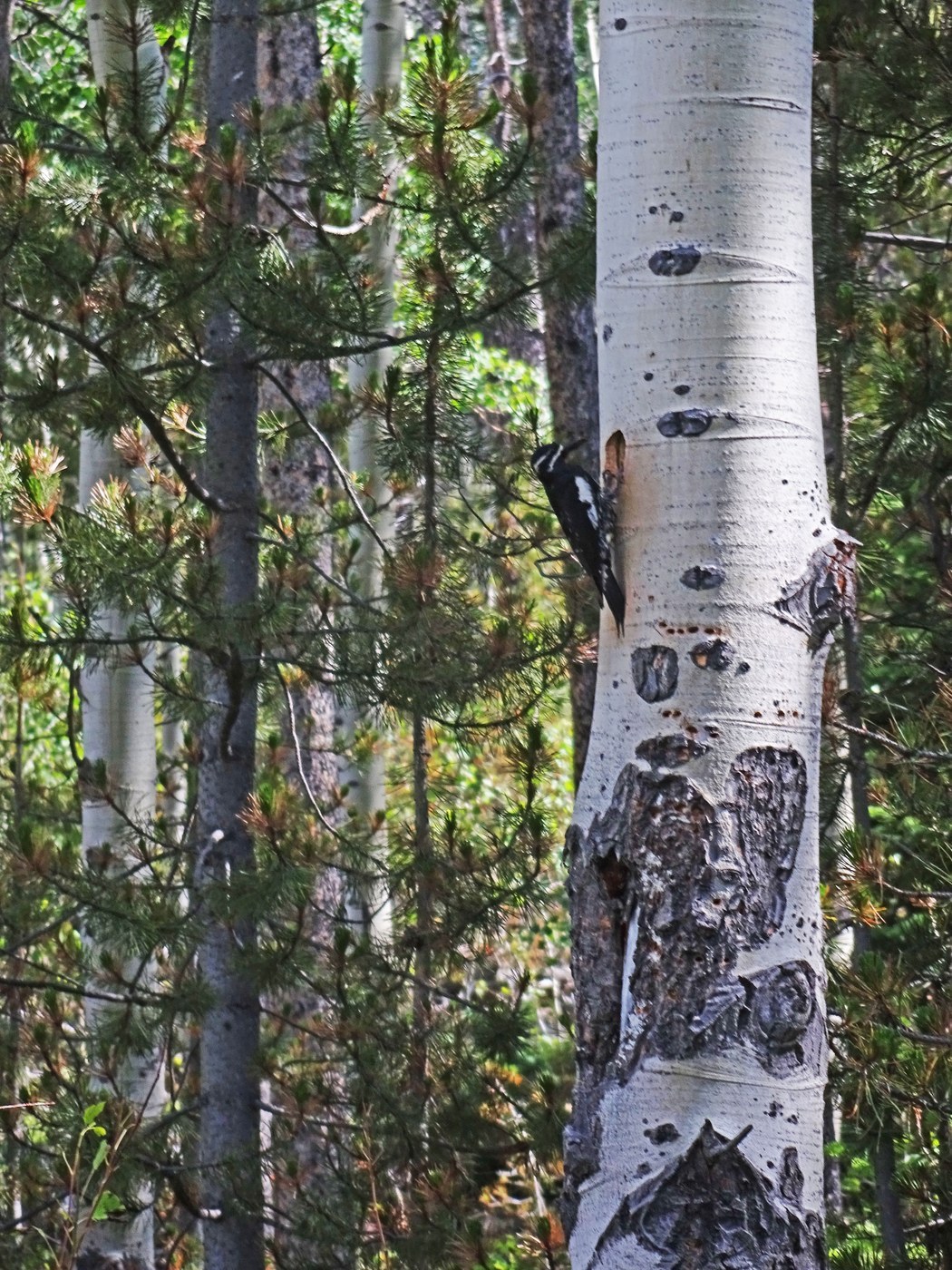
Williamson's Sapsucker
Strongly sexually dimorphic body feathers, glossy black or finely barred brown

Yellow-crowned Woodpecker
Contour and flight feathers

White Woodpecker
Mostly white body feathers with contrasting black wings and back

Red-throated Wryneck
Soft, cryptically mottled contour feathers

White-bellied Woodpecker
Large, glossy black contour and flight feathers

White-backed Woodpecker
Barred back feathers rather than a solid white patch
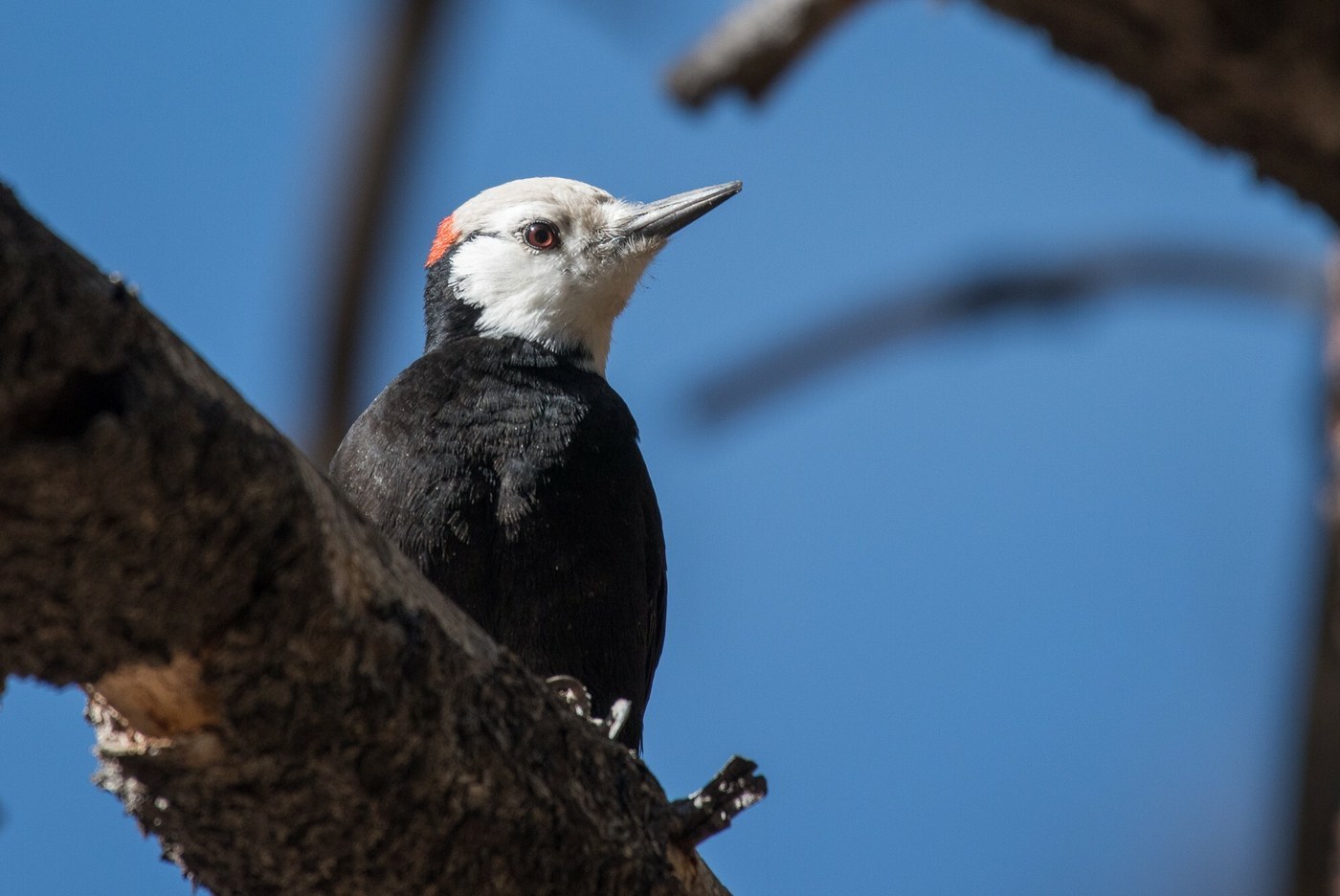
White-headed Woodpecker
Solid black body feathers with an entirely white head