
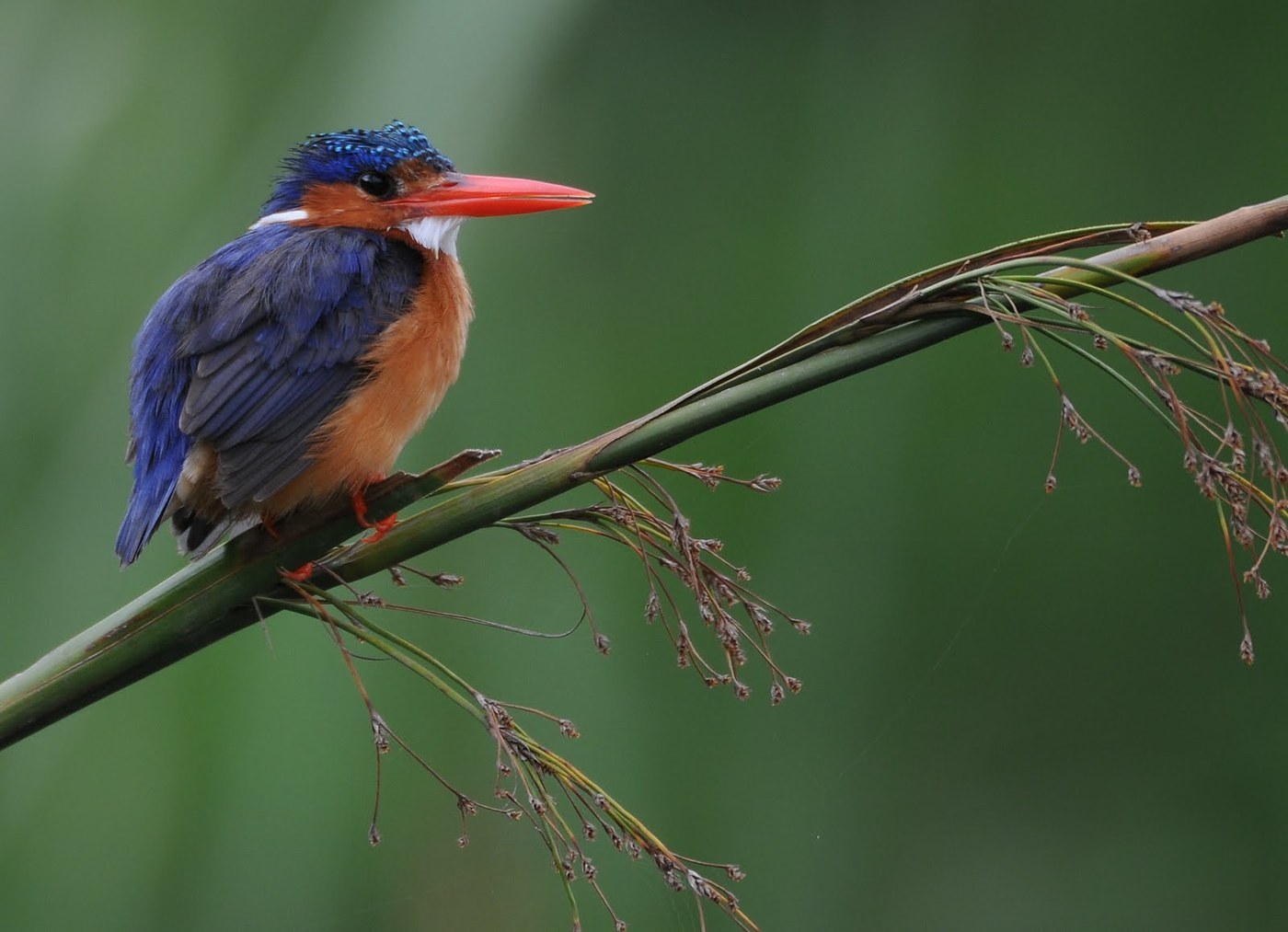
Malachite Kingfisher
Corythornis cristatus
A jewel-toned African kingfisher with an electric-blue back and a shaggy blue-and-black crest, often seen perched low over quiet water.
- Feather type
- Short, dense contour feathers; small crest feathers
- Colours
- Iridescent cobalt blue back, rufous-orange underparts, violet-blue crown barring
- Bird size
- Sparrow-sized, ~13 cm
Found a feather like this?
Identify any feather from a photo, free.
Overview
Overview
The Malachite Kingfisher is a tiny, brilliantly colored kingfisher found across sub-Saharan Africa wherever calm freshwater with overhanging perches occurs. Despite its small size, it is a conspicuous flash of color along reed-lined rivers and ponds.
- One of Africa's smallest kingfishers
- Named for its shimmering malachite-green and blue tones
- Frequently perches motionless before diving for prey
Identifying the Feather
Feather Identification
Malachite Kingfisher feathers are tiny, dense, and intensely glossy.
- Back and wing coverts: iridescent cobalt-to-turquoise blue, shifting hue with light angle
- Crown: short erectile feathers barred violet-blue and black, forming a shaggy crest
- Underparts: rufous-orange body feathers, unbarred
- Shaft: fine and dark, feather vanes densely structured for the metallic sheen
Compared to the larger Woodland Kingfisher, Malachite feathers are far smaller and lack any gray tones, showing pure blue-and-orange contrast instead.
Plumage & Molt
Plumage Details
Sexes look alike, with vivid blue upperparts and orange underparts year-round. Juveniles are duller and sootier, with a blackish bill that reddens with age. There is no distinct seasonal plumage change, though feather wear can slightly dull the iridescence before molt restores brightness.
Habitat & Range
Habitat & Range
Found across much of sub-Saharan Africa, from the Nile Delta south to South Africa, wherever slow-moving or still freshwater with reeds, papyrus, or overhanging vegetation is available. It is largely resident, though some populations show local movements linked to water levels.
Behavior & Field Notes
Behavior & Field Notes
Malachite Kingfishers hunt from low perches directly over water, diving to catch small fish and aquatic invertebrates before returning to a perch to strike and swallow prey. They nest in burrows excavated into earthen banks. The call is a sharp, high-pitched "tsee-tsee" given in flight. Their low, direct flight just above the water surface is a useful field clue alongside their tiny size and brilliant color.
Frequently asked questions
What makes Malachite Kingfisher feathers look so shiny?
The blue feathers contain microscopic structures that scatter light to produce iridescence rather than true blue pigment, which is why the color shifts with viewing angle.
How can you tell a Malachite Kingfisher from other small African kingfishers?
Its tiny size, shaggy blue-and-black crest, and vivid orange underparts distinguish it from similarly sized species with duller or different color patterns.
Do juveniles look different from adults?
Yes, juveniles are duller with sootier plumage and a darker bill that brightens to red-orange as they mature.
Where would you typically spot one?
Perched low over calm freshwater rivers, ponds, or reedbeds across sub-Saharan Africa.
Malachite Kingfisher guides
In-depth guides for identifying and understanding Malachite Kingfisher.
Other feathers you may enjoy

Common Cuckoo
Flight and body feathers
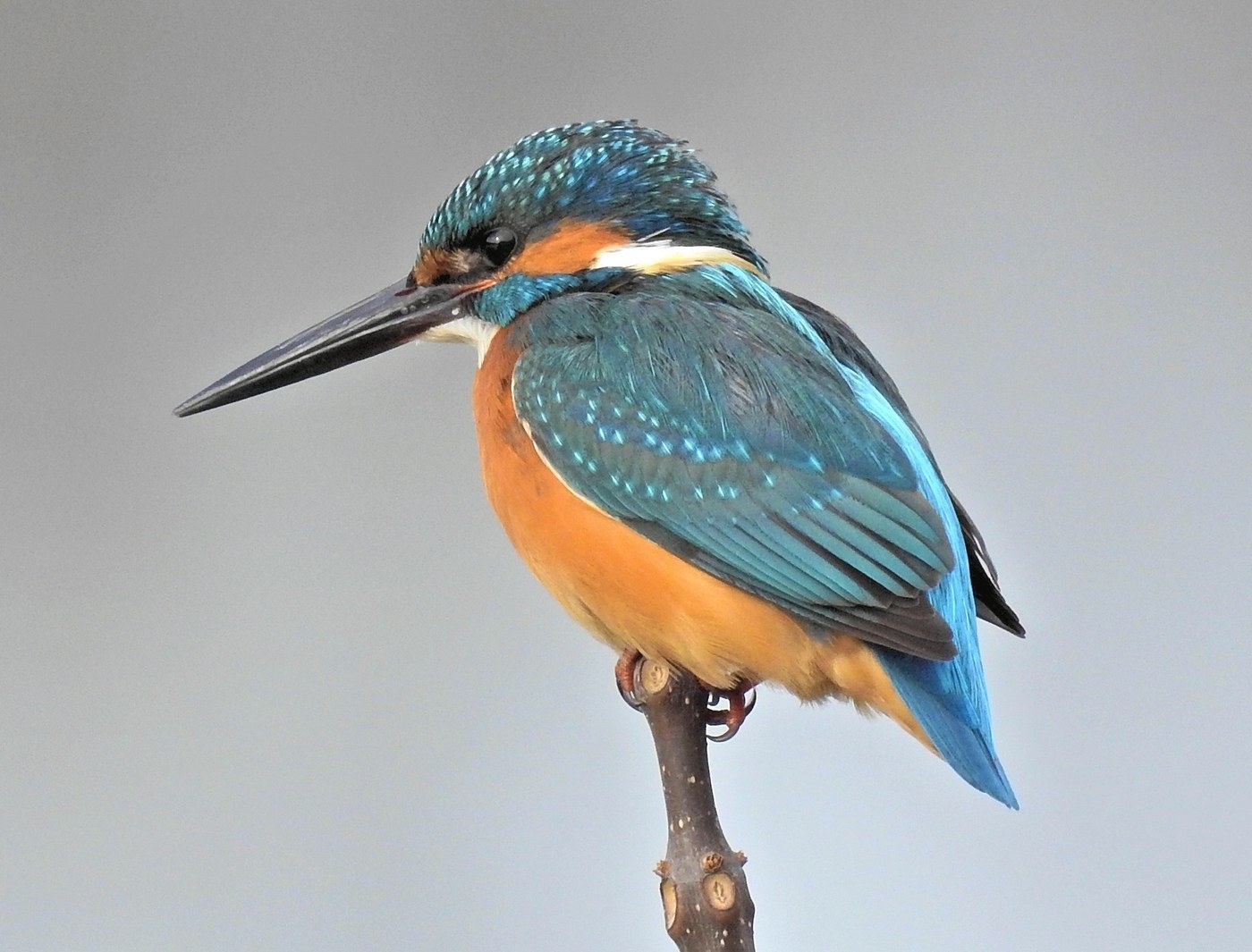
Common Kingfisher
Body (contour) and wing feathers
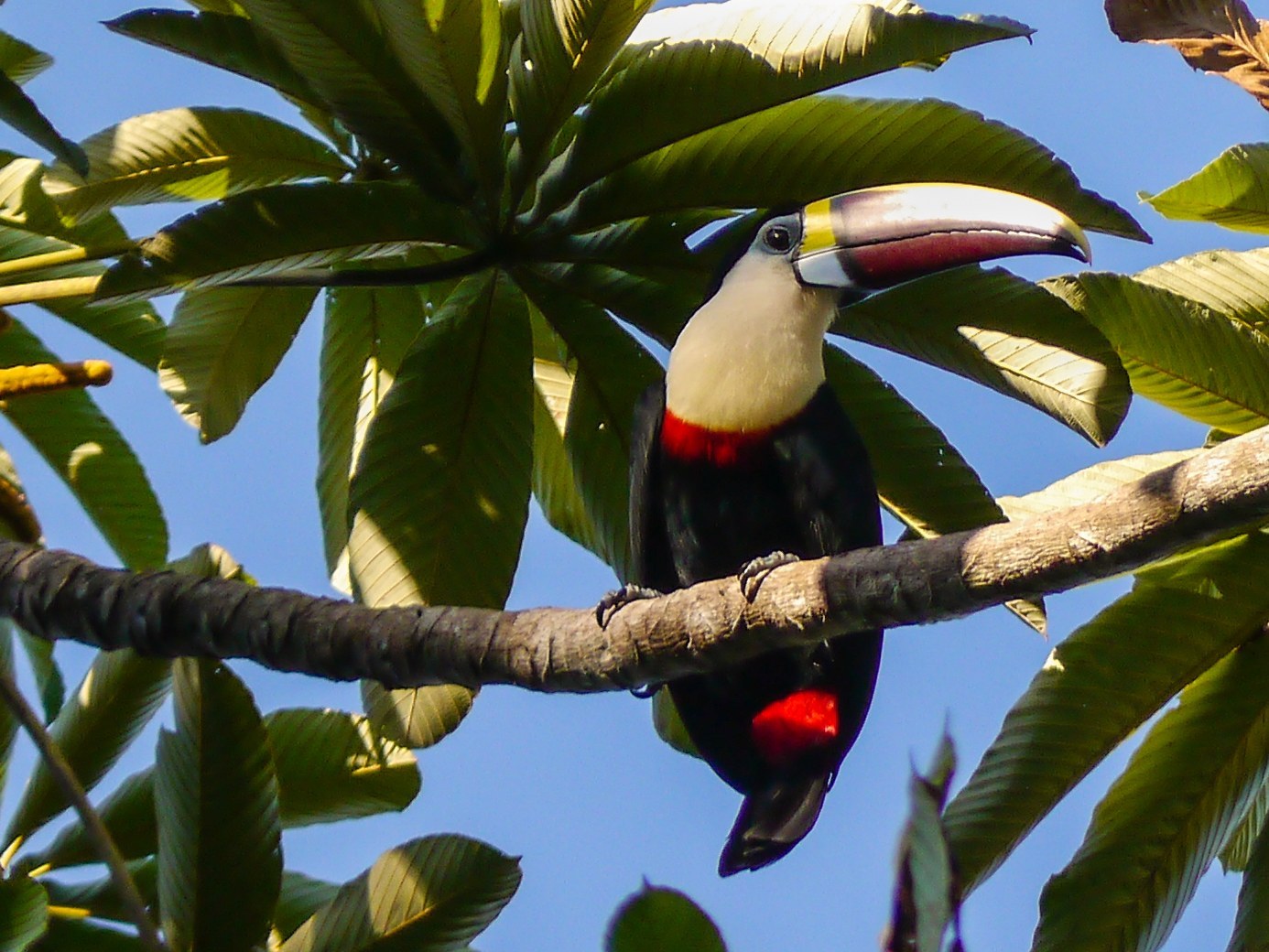
White-throated Toucan
Short rounded contour feathers, short broad wings
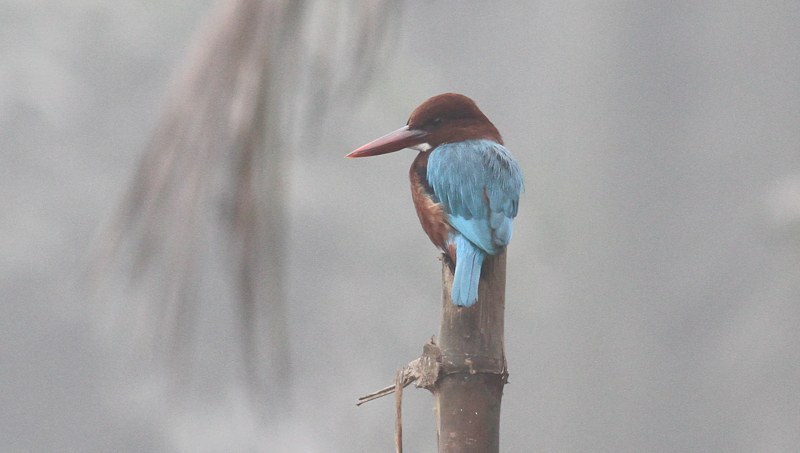
White-throated Kingfisher
Dense contour feathers; broad rounded wings

White-throated Bee-eater
Sleek, aerodynamic contour feathers; elongated central tail streamers
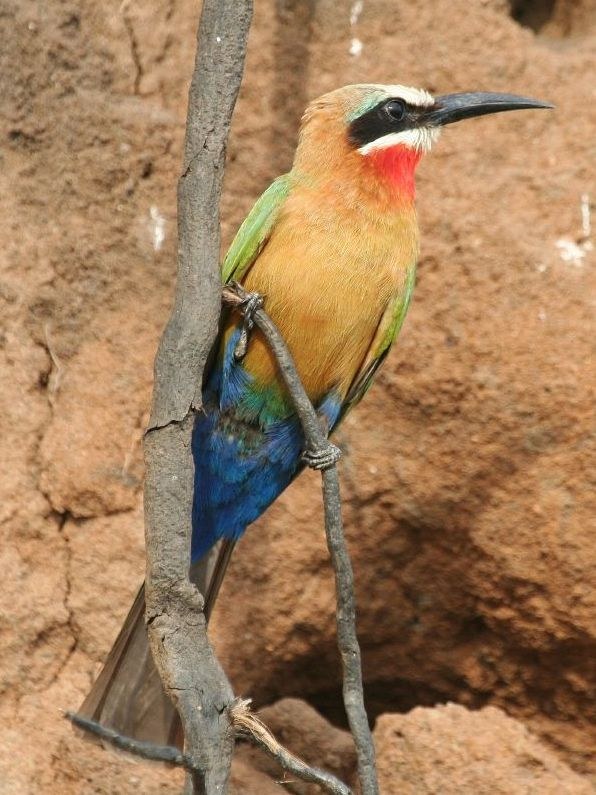
White-fronted Bee-eater
Sleek contour feathers; short tail with slight point

Southern Yellow-billed Hornbill
Slender contour feathers, moderate flight feathers
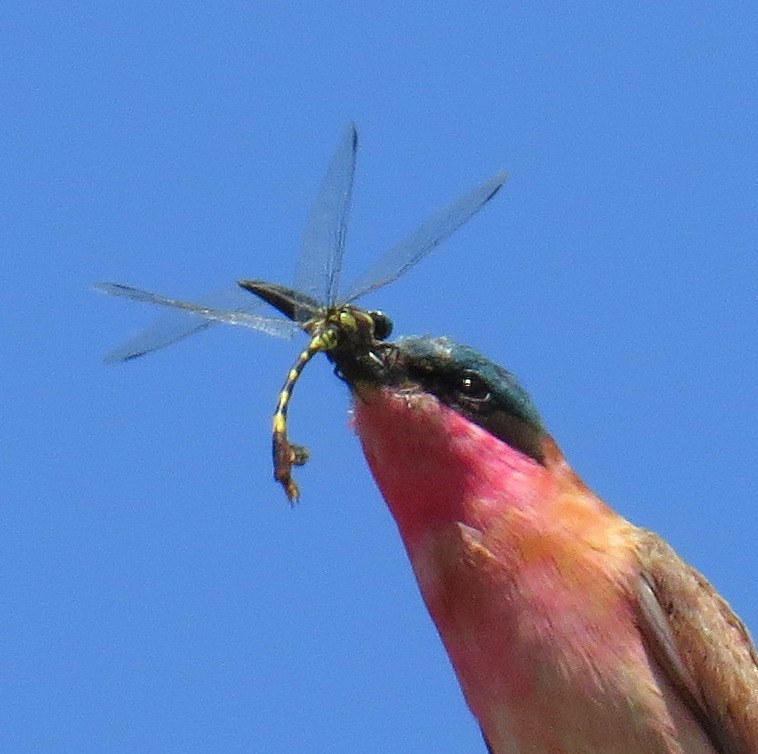
Southern Carmine Bee-eater
Sleek, pointed contour feathers; elongated central tail streamers
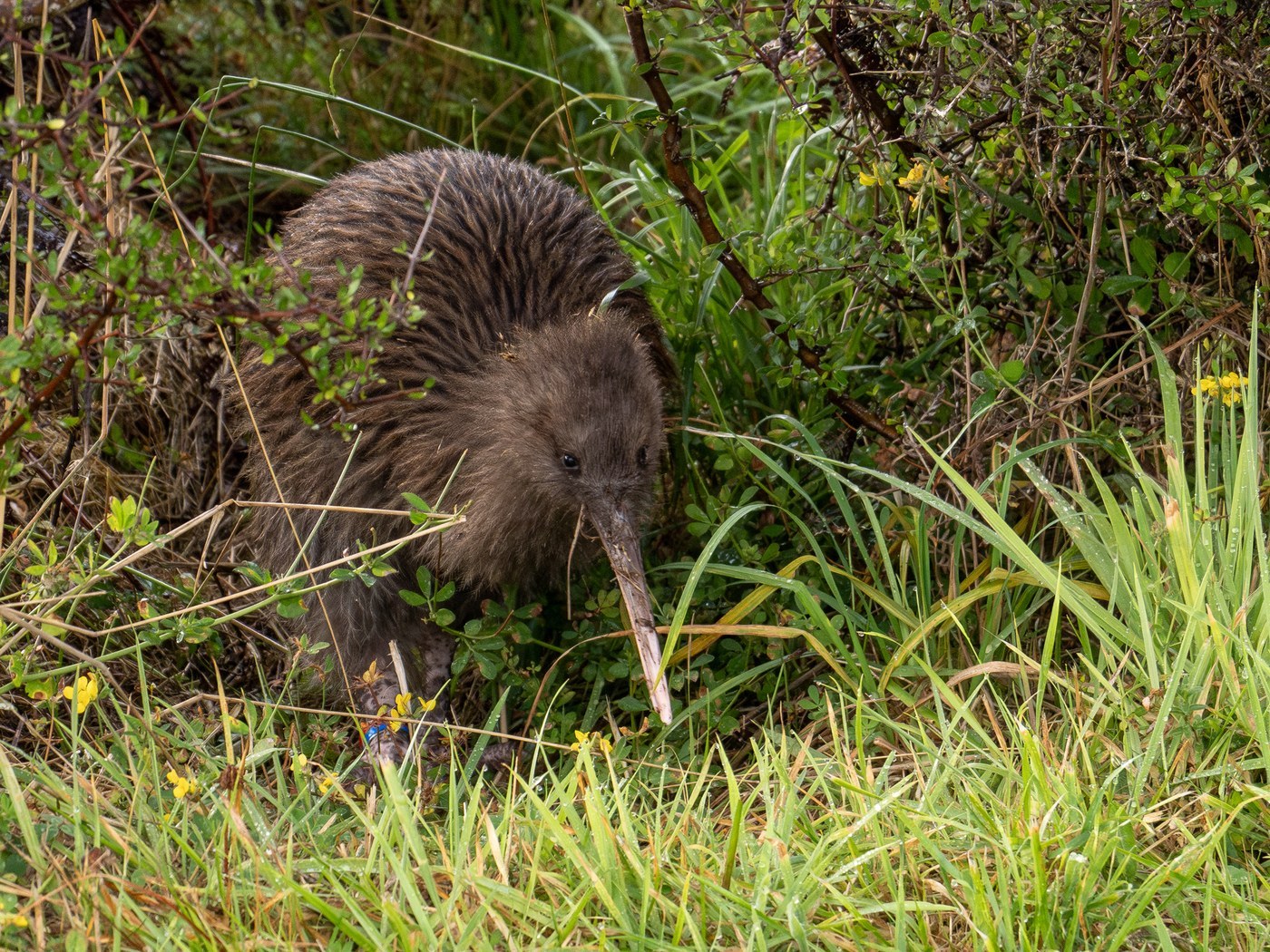
Southern Brown Kiwi
Shaggy, hair-like plumage with loose barbs lacking barbules; flightless, vestigial wings hidden beneath body feathers

Somali Ostrich
Loose, soft plumes lacking interlocking barbules

Wreathed Hornbill
Dense contour feathers, broad flight feathers

Woodland Kingfisher
Firm contour feathers; broad wing feathers