
Masked Lapwing
Vanellus miles
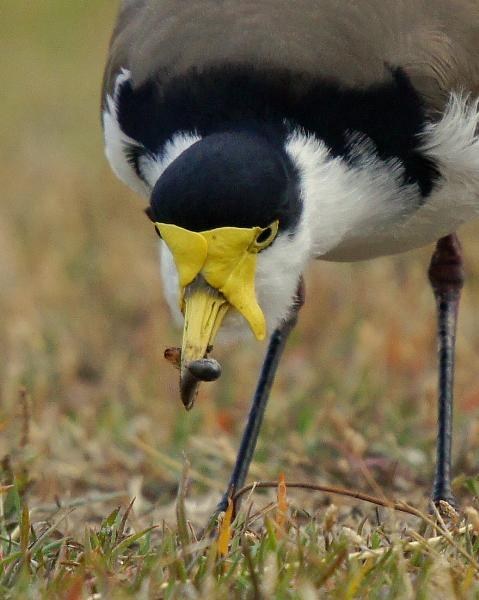
A large, boldly patterned Australasian plover, the Masked Lapwing is best known for its striking yellow facial wattles and sharp wing spurs, with plain brown-and-white feathers that contrast with its ornate bare-part features.
- Feather type
- Body, flight, and tail feathers
- Colours
- Brown upperparts, white underparts, black crown patch, yellow facial wattles
- Bird size
- Large plover, ~30-37 cm
Found a feather like this?
Identify any feather from a photo, free.
Overview
The Masked Lapwing, also known as the Spur-winged Plover in parts of its range, is a large and conspicuous ground bird of Australia and New Guinea, recognizable by large yellow wattles covering much of the face and small sharp spurs on the wing bend used in territorial disputes. Its plumage is comparatively plain brown and white, letting the vivid bare-part ornamentation stand out.
Identifying the Feather
Upperpart feathers are a warm, uniform brown, without strong barring or streaking, giving a relatively plain appearance compared to more boldly patterned lapwings. The crown shows a small black cap patch contrasting with white on the face and neck, though the bird's most conspicuous features, the large yellow facial wattles, are bare skin rather than feathers. Underparts feathers are clean white. Flight feathers are blackish, and in flight a white wing patch and black flight feather tips create a strong pattern. The wing bend bears a small, sharp yellowish spur used in defense, a feature only visible on a wing, not from body feathers alone.
Plumage & Molt
Sexes are similar in plumage, though males may show slightly larger wattles and spurs. Juveniles are duller brown overall with smaller, less developed facial wattles and reduced spur size, developing full adult ornamentation with maturity. There is little seasonal plumage variation, as the species can breed across an extended season depending on region and rainfall. Molt occurs on a schedule linked to breeding cycles rather than fixed calendar seasons.
Habitat & Range
Found across a wide range of open habitats in Australia, New Guinea, and nearby islands, including grasslands, pastures, wetland edges, riverbanks, golf courses, and urban parks and school ovals. Generally sedentary or locally nomadic, moving in response to local conditions such as rainfall and food availability rather than undertaking long-distance migration.
Behavior & Field Notes
Masked Lapwings forage by walking across open ground, picking insects, worms, and other invertebrates from the surface or shallow soil, often at dawn or dusk. Nests are simple ground scrapes in open, often surprisingly exposed locations including sports fields and road verges, and the species is well known for extremely aggressive nest defense, using loud calls, low diving flights, and the sharp wing spurs to drive off intruders including humans. Its call is a loud, repeated, rattling alarm note frequently heard, especially at night. The species is common and increasing in many urbanized areas.
Frequently asked questions
What are the wing spurs on a Masked Lapwing used for?
The small, sharp yellowish spurs at the bend of the wing are used defensively, especially during nest defense or territorial disputes with other lapwings.
Why does the Masked Lapwing look plain in feather color compared to other lapwings?
Its body feathers are relatively uniform brown and white, with the species' most striking features being the large yellow facial wattles, which are bare skin rather than feathers.
Is the Masked Lapwing aggressive toward humans?
It can be, particularly around its exposed ground nests, using loud calls, diving attacks, and its wing spurs to deter people and other potential threats.
Does the Masked Lapwing migrate?
Generally no; it is mostly sedentary or locally nomadic, moving in response to rainfall and food availability rather than undertaking long-distance seasonal migration.
Masked Lapwing guides
In-depth guides for identifying and understanding Masked Lapwing.
Other feathers you may enjoy
Southern Lapwing
Body, flight, and tail feathers

Jack Snipe
Body and flight feathers

Far Eastern Curlew
Body, flight, and tail feathers

Terek Sandpiper
Body and flight feathers

Wilson's Phalarope
Body and flight feathers
Long-billed Curlew
Body, flight, and tail feathers

Upland Sandpiper
Body, flight, and tail feathers

Red Phalarope
Body and flight feathers

Eurasian Dotterel
Body feathers
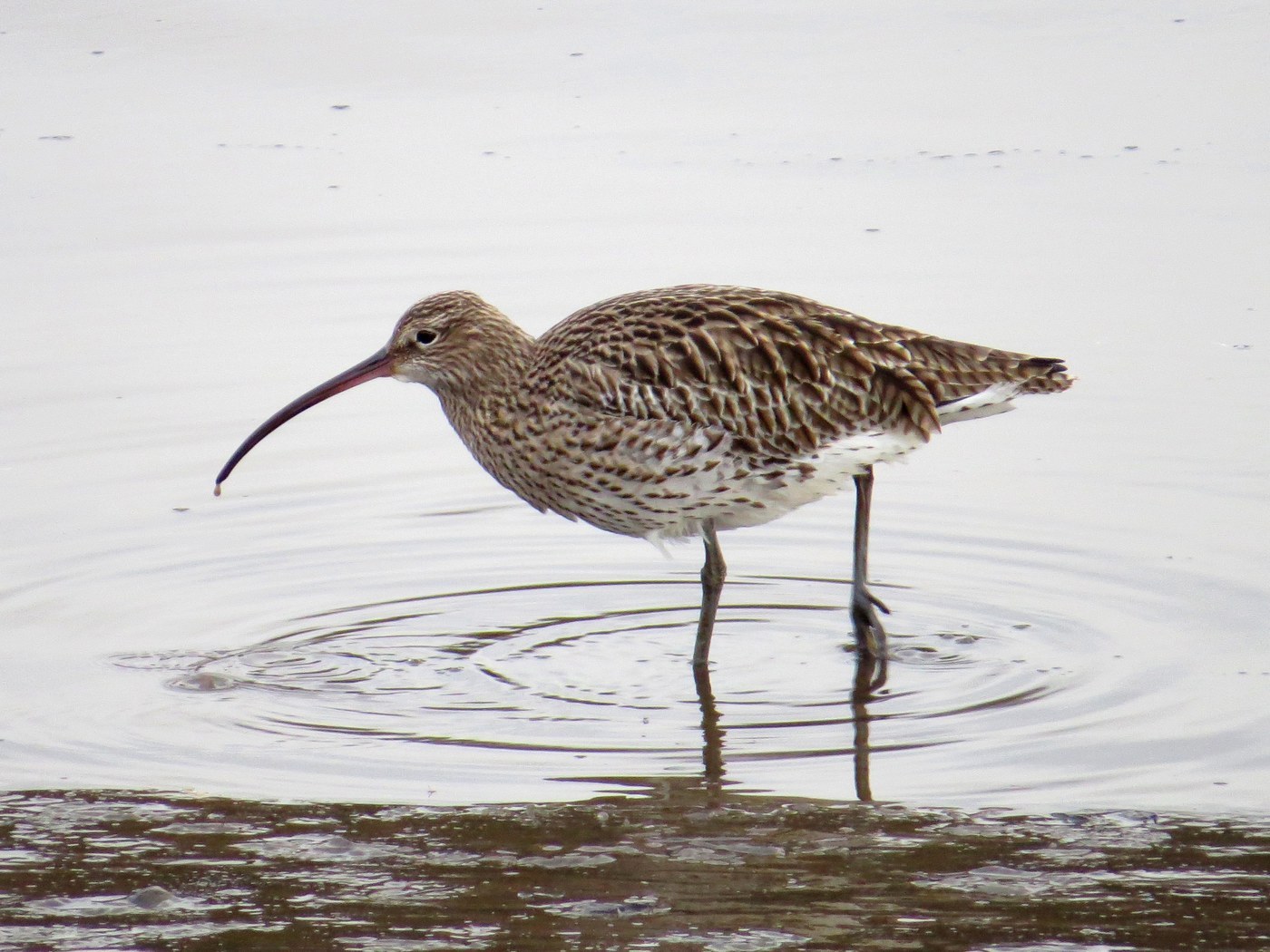
Eurasian Curlew
Body, flight, and tail feathers
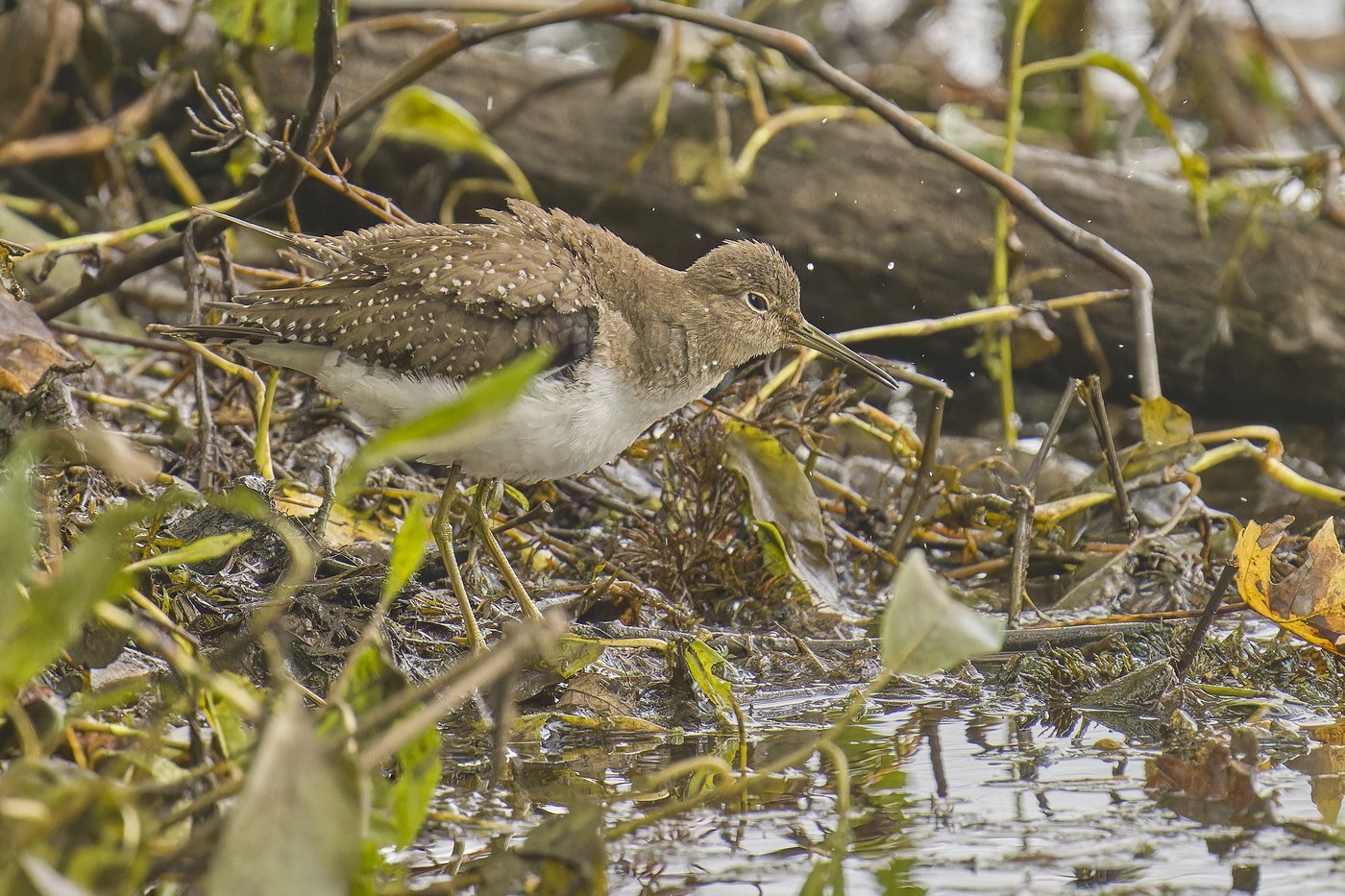
Solitary Sandpiper
Contour and flight feathers

Piping Plover
Small, pale, compact body feathers and short flight feathers typical of a beach-nesting plover