

Mongolian Finch
Bucanetes mongolicus
A pale, sandy-toned finch of Central Asian deserts and steppe, showing a subtle rosy wash across the rump and wings.
- Feather type
- Soft, loose sandy body feathers; short rounded wings
- Colours
- Pale pinkish-sandy body, faint rosy wash on rump and wings
- Bird size
- Sparrow-sized, ~14 cm
Found a feather like this?
Identify any feather from a photo, free.
Overview
Overview
The Mongolian Finch occupies arid rocky terrain, steppe, and barren mountain foothills across Central Asia and parts of western China and Mongolia. Its plumage is understated, blending closely with sandy and rocky substrates, though a soft pink tint on the rump and wings can be seen at close range or in good light. It is typically encountered in pairs or small flocks on open ground.
Identifying the Feather
Feather Identification
- Overall pale sandy-brown body feathers with minimal streaking, built for camouflage in open desert and steppe
- A subtle pinkish-rose wash is visible on the rump and wing feathers, most obvious in fresh plumage or strong light
- Bill is short, stubby, and pale pinkish, typical of the trumpeter finch group
- Wings and tail are relatively plain, lacking bold bars or patches
- Females are slightly duller than males, with less obvious rosy tones
- Distinguished from the true Trumpeter Finch by subtler overall coloration and different bill and head proportions
Plumage & Molt
Plumage Notes
Adults show pale sandy body plumage with a soft rosy wash on the rump and wings, more pronounced in males than females. Juveniles are duller still, lacking most of the pink tint. A single annual molt follows the breeding season, refreshing the subtle rosy tones.
Habitat & Range
Habitat & Range
Distributed across Central Asia, including parts of Mongolia, western China, and neighboring regions, in rocky desert, steppe, and barren mountain slopes. It is largely resident, though some populations shift to lower elevations or milder areas during harsh winters.
Behavior & Field Notes
Behavior & Field Notes
Mongolian Finches forage on the ground in pairs or small flocks, feeding on seeds of desert and steppe plants. Nests are typically placed in rock crevices or low shrubs offering protection from exposure. The call is a soft, nasal buzzing or twittering note. It is often overlooked due to its cryptic coloration against rocky backgrounds until it moves or calls.
Frequently asked questions
What feather feature helps identify a Mongolian Finch?
A subtle rosy-pink wash on the rump and wings set against otherwise plain sandy-brown body plumage, best seen in good light.
Where does the Mongolian Finch live?
In rocky desert, steppe, and barren mountain terrain across Central Asia, including Mongolia and western China.
How does it differ from the Trumpeter Finch?
It shows subtler overall coloration and differs slightly in bill and head proportions compared to the more richly colored Trumpeter Finch.
Does the Mongolian Finch migrate?
It is mostly resident, with some populations moving to lower elevations during severe winter weather.
Mongolian Finch guides
In-depth guides for identifying and understanding Mongolian Finch.

Other feathers you may enjoy

Yellow-breasted Bunting
Contour and flight feathers, chestnut-and-yellow breeding pattern
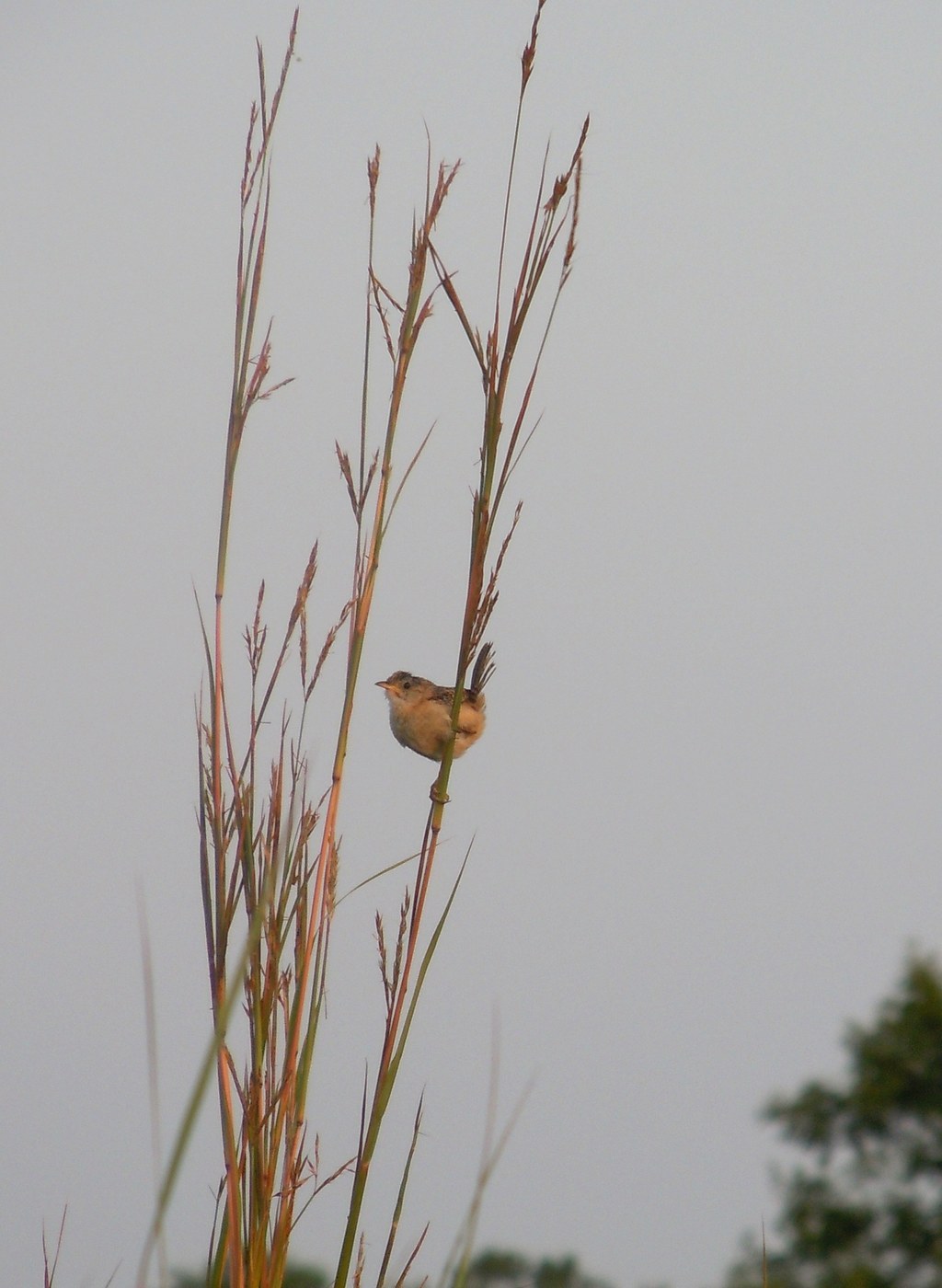
Sedge Wren
Tiny streaked crown and back feathers

Yellow-winged Cacique
Glossy black body feathers, yellow wing patch, shaggy crest

Yellow Warbler
Small contour and flight feathers
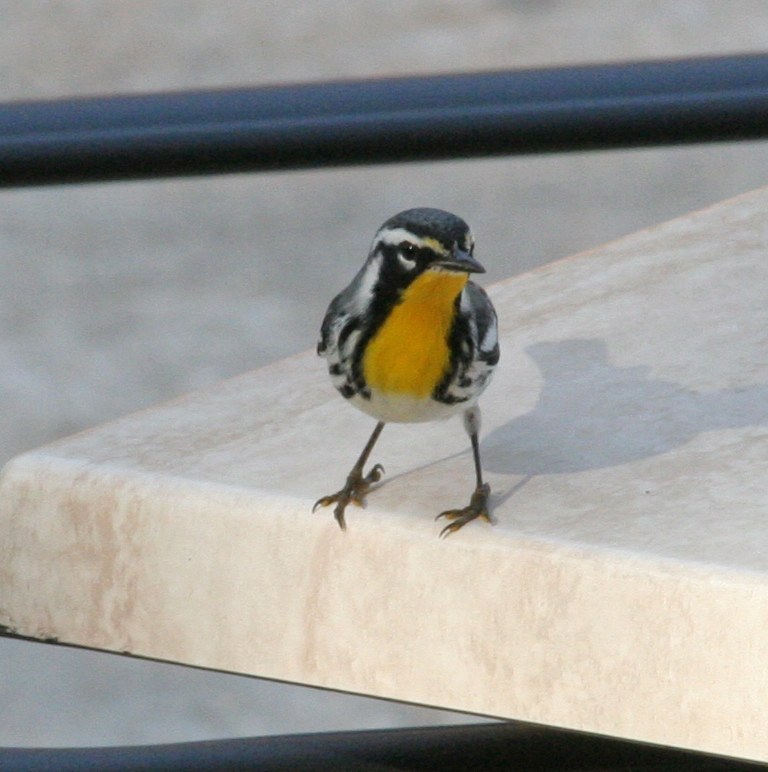
Yellow-throated Warbler
Small contour and flight feathers
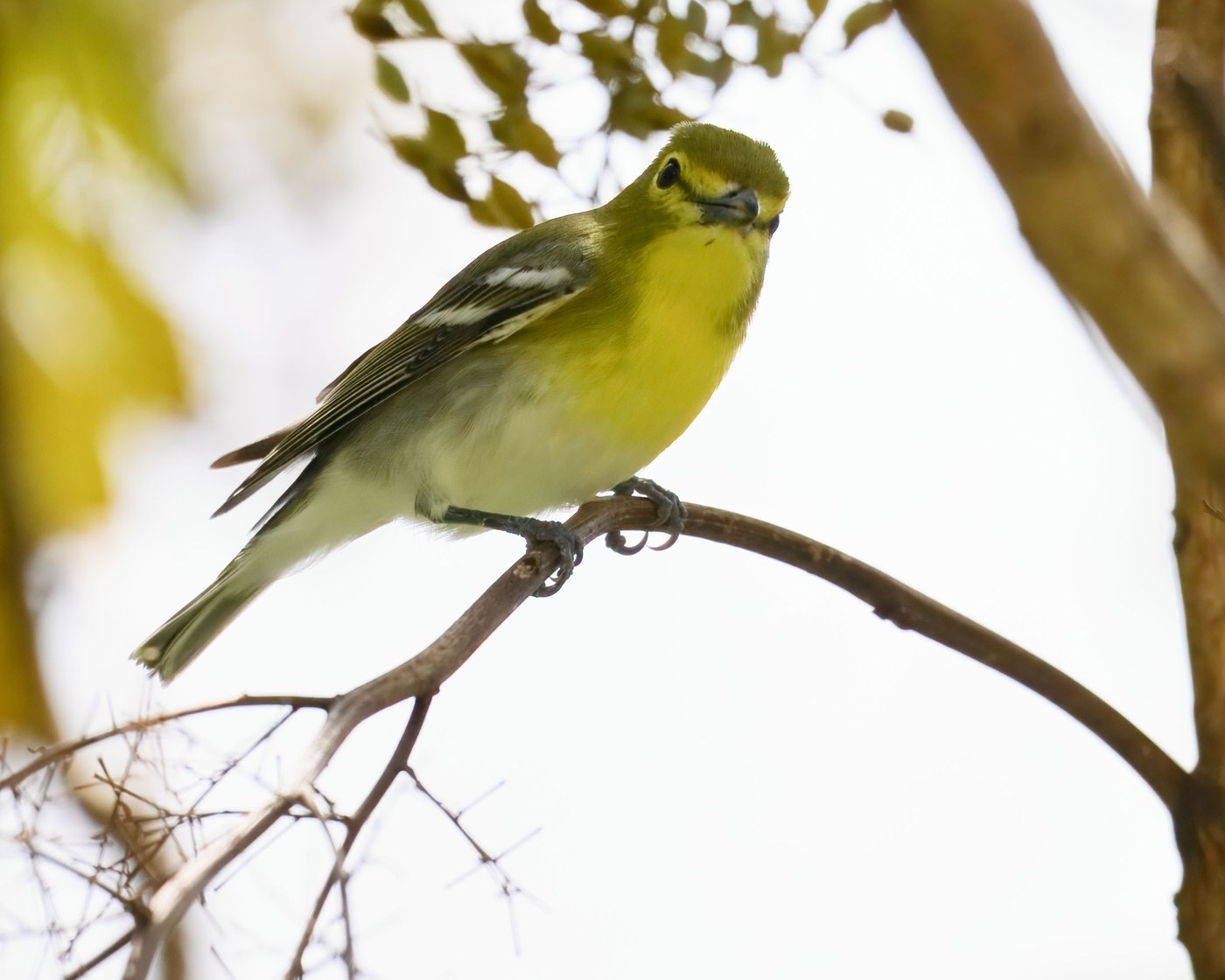
Yellow-throated Vireo
Bright yellow throat and spectacle feathers; olive-green back feathers; two white wing-bar feathers

Yellow-rumped Warbler
Small contour and flight feathers
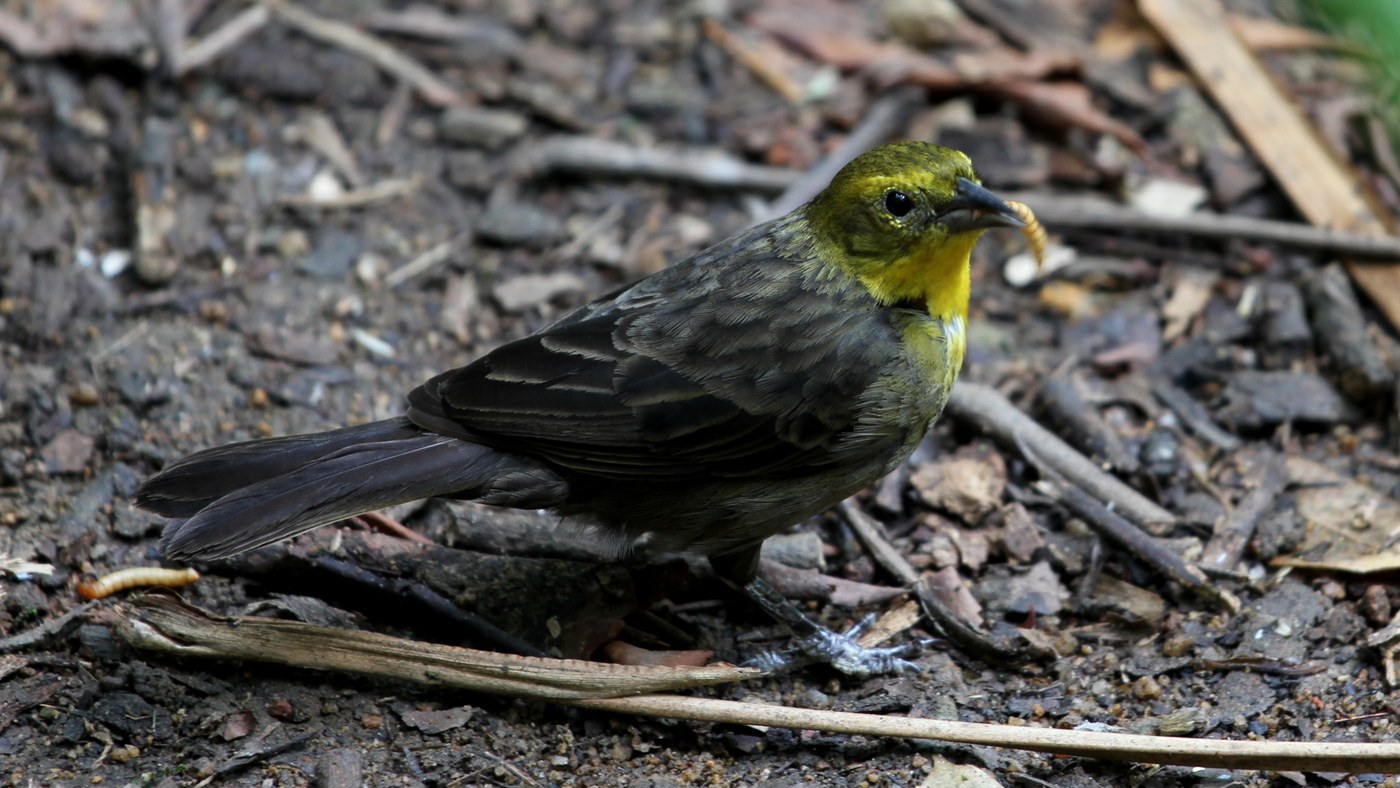
Yellow-hooded Blackbird
Contrasting hood and body feathers
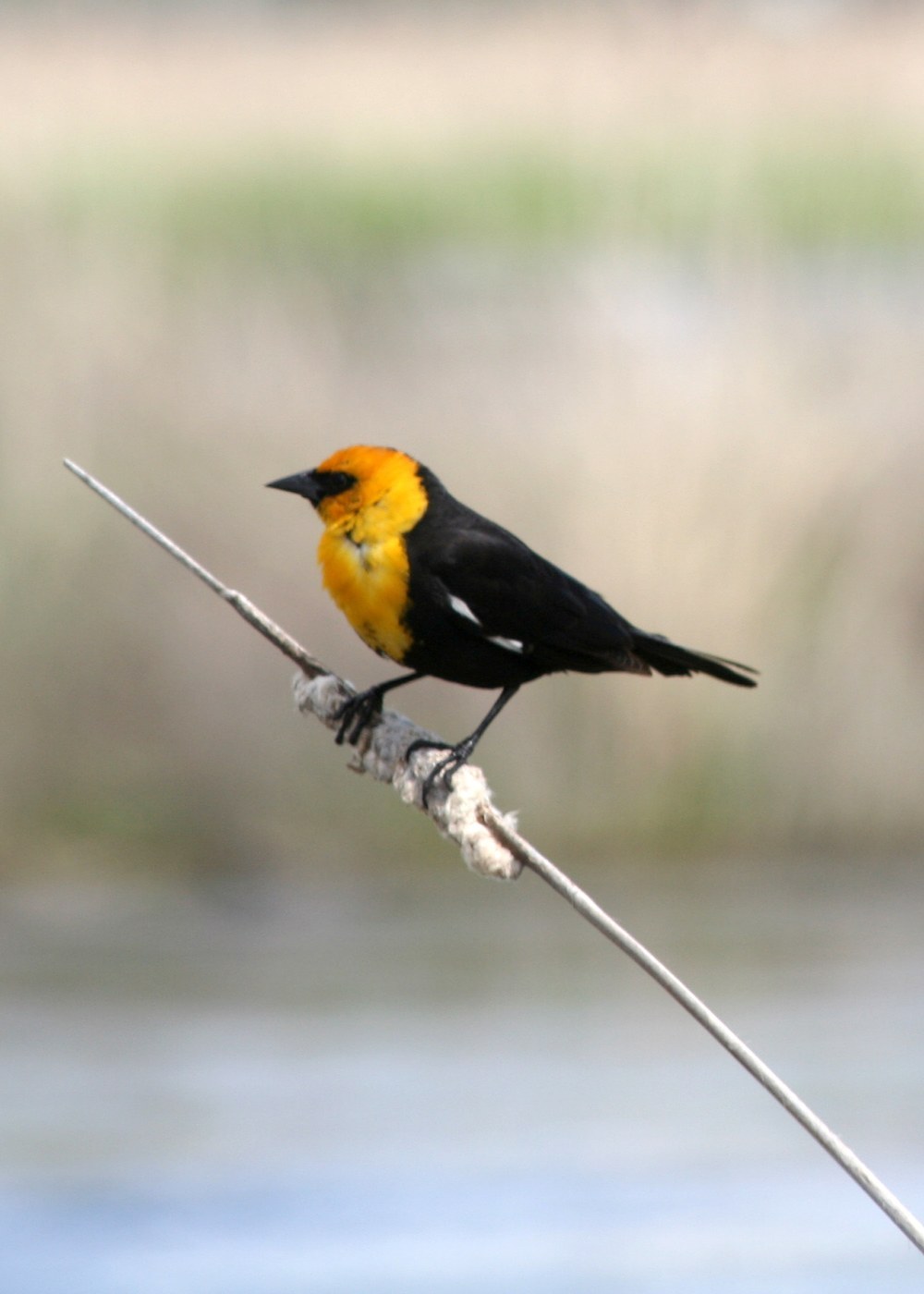
Yellow-headed Blackbird
Glossy black body plumage with a bright yellow head and breast

Yellow-eyed Junco
Contour and flight feathers

Yellow-fronted Canary
Small, smooth body plumage

Yellow-breasted Greenfinch
Compact, smooth body plumage