

Oriental Pied Hornbill
Anthracoceros albirostris
The Oriental Pied Hornbill is a medium-sized Asian hornbill with strongly contrasting black-and-white plumage, including a tail marked with white outer feathers. It is one of the more adaptable hornbills, tolerating forest edge and even wooded parkland.
- Feather type
- Dense contour feathers, broad flight feathers
- Colours
- Black upperparts and breast with white underparts and white outer tail feathers
- Bird size
- Medium-large, ~55-70 cm
Found a feather like this?
Identify any feather from a photo, free.
Overview
Overview
The Oriental Pied Hornbill is a widespread South and Southeast Asian hornbill known for its clean, high-contrast black-and-white plumage. Compared to some larger casqued hornbills, it is more tolerant of disturbed and edge habitats, making it one of the more frequently encountered species in its range.
- Medium-large hornbill with strongly pied plumage
- More adaptable to forest edge and parkland than many larger hornbills
- Casque size and shape vary somewhat across its wide range
Identifying the Feather
Feather Identification
The head, back, and breast are glossy black, while the belly and vent are clean white. The tail is black with white outer feathers, giving a strong pied pattern visible both in flight and at rest.
- Upperparts and breast: glossy black
- Underparts: clean white
- Tail: black with white outer tail feathers, a key confirming feature
- Wings: black with limited white edging on some feathers
The combination of a black breast (rather than white, as in some relatives) with white outer tail feathers helps separate this species from other pied Asian hornbills.
Plumage & Molt
Plumage Notes
Sexes look broadly similar, though males and females can differ subtly in eye color and casque shape. Juveniles show duller plumage contrast and a smaller, less developed casque before reaching maturity.
- Sexes alike in general plumage pattern
- Juveniles show reduced contrast and casque development
- No pronounced seasonal plumage variation
Habitat & Range
Habitat & Range
Ranges across South and Southeast Asia, from India through Indochina and into Indonesia, occupying lowland forest, forest edge, riverine woodland, and even wooded urban parks in parts of its range.
- Non-migratory resident across most of its range
- More tolerant of habitat disturbance than many larger hornbill species
- Found from lowlands into lower foothill forest
Behavior & Field Notes
Behavior & Field Notes
This hornbill feeds on a mix of fruit and small animal prey, foraging both in the canopy and occasionally on the ground.
- Voice: loud, cackling or barking calls, often given in flight
- Nesting: tree cavities sealed in part by the female, a habit shared across the hornbill family
- Field notes: the black breast paired with white outer tail feathers and white underparts is the clearest confirming combination
Frequently asked questions
What is the key feather pattern for this hornbill?
A black head, back, and breast contrasted with white underparts and white outer tail feathers is the defining pattern.
How adaptable is this species to different habitats?
It is more tolerant of forest edge, riverine woodland, and even wooded parkland than many larger hornbill relatives.
Where is the Oriental Pied Hornbill found?
Across South and Southeast Asia, from India through Indochina and into parts of Indonesia.
How can you tell a juvenile from an adult?
Juveniles show duller plumage contrast and a smaller, less developed casque than adults.
Oriental Pied Hornbill guides
In-depth guides for identifying and understanding Oriental Pied Hornbill.

Oriental Pied Hornbill identified by the community
Real feathers identified with Feather Identifier.

Other feathers you may enjoy

Common Cuckoo
Flight and body feathers
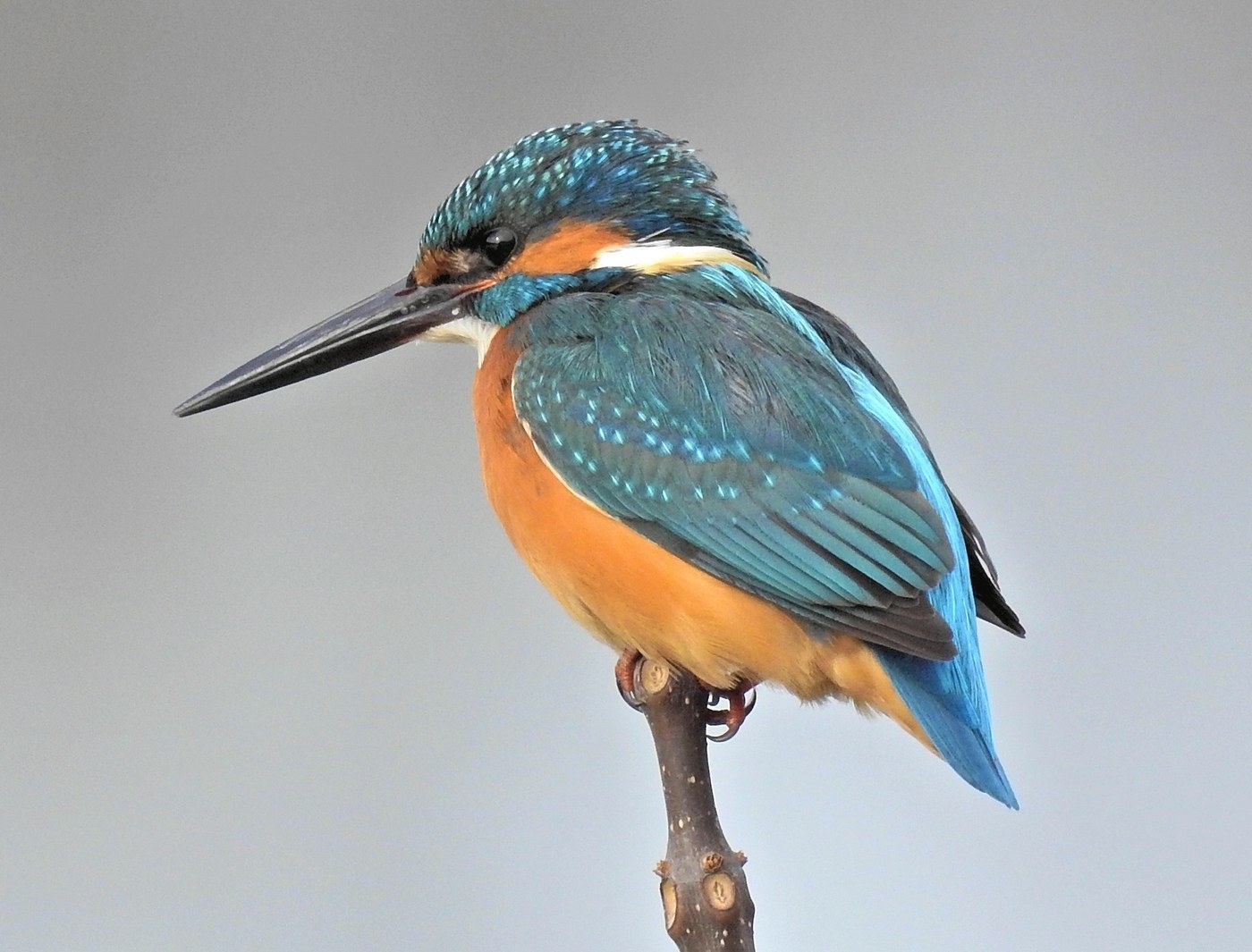
Common Kingfisher
Body (contour) and wing feathers
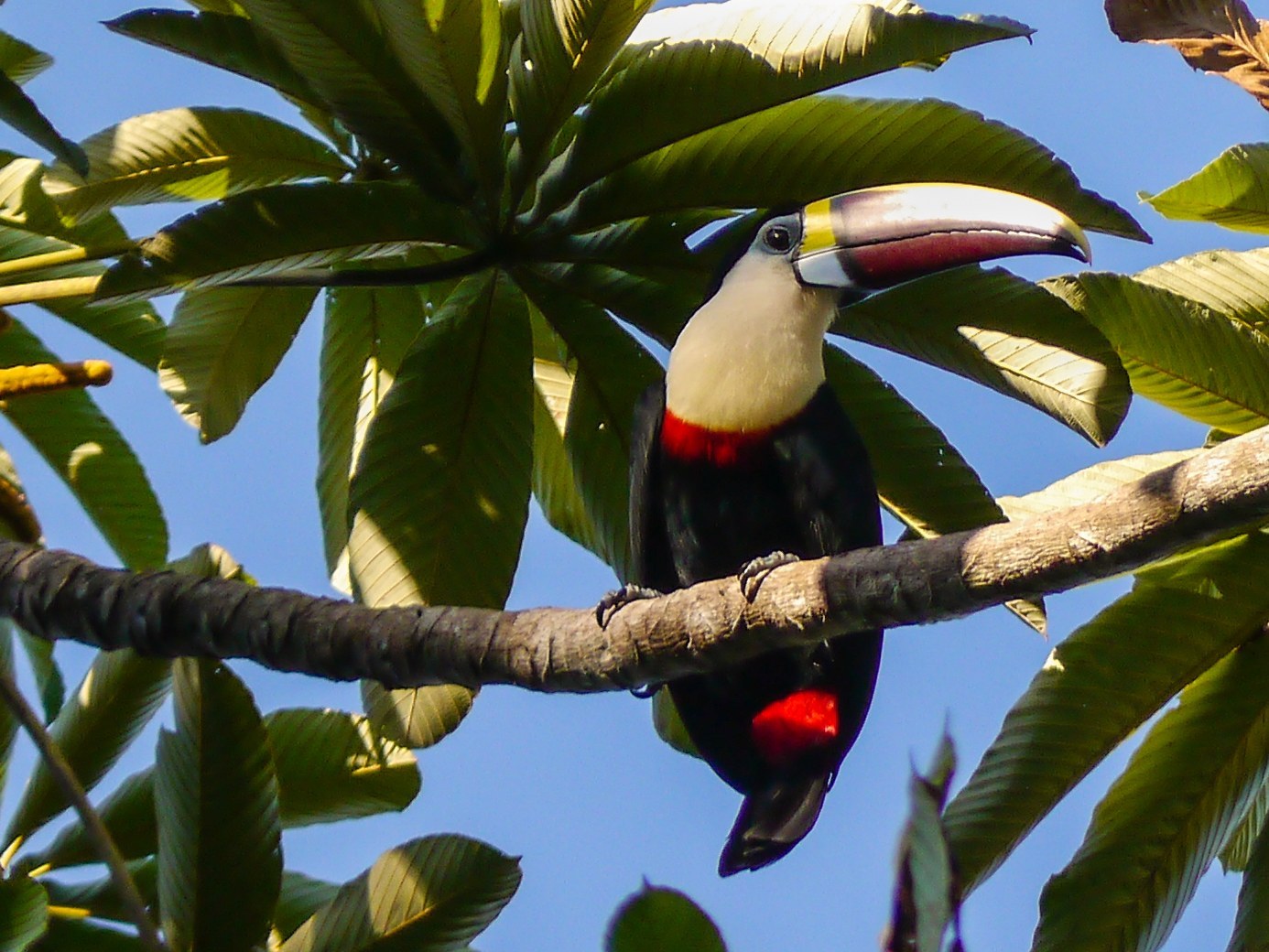
White-throated Toucan
Short rounded contour feathers, short broad wings
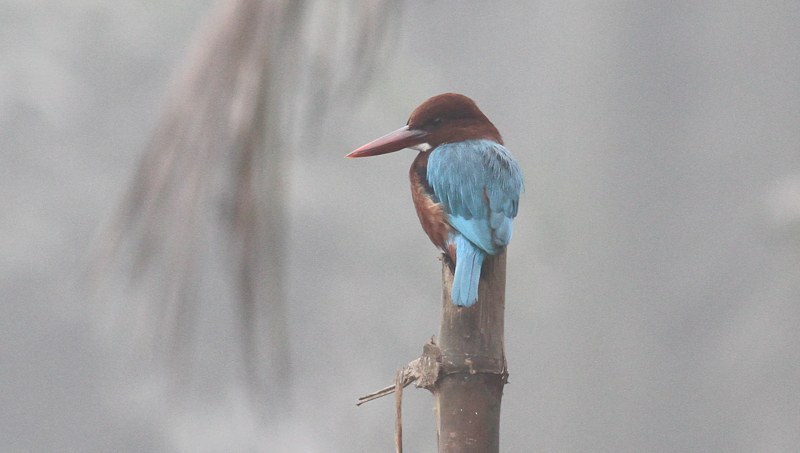
White-throated Kingfisher
Dense contour feathers; broad rounded wings

White-throated Bee-eater
Sleek, aerodynamic contour feathers; elongated central tail streamers
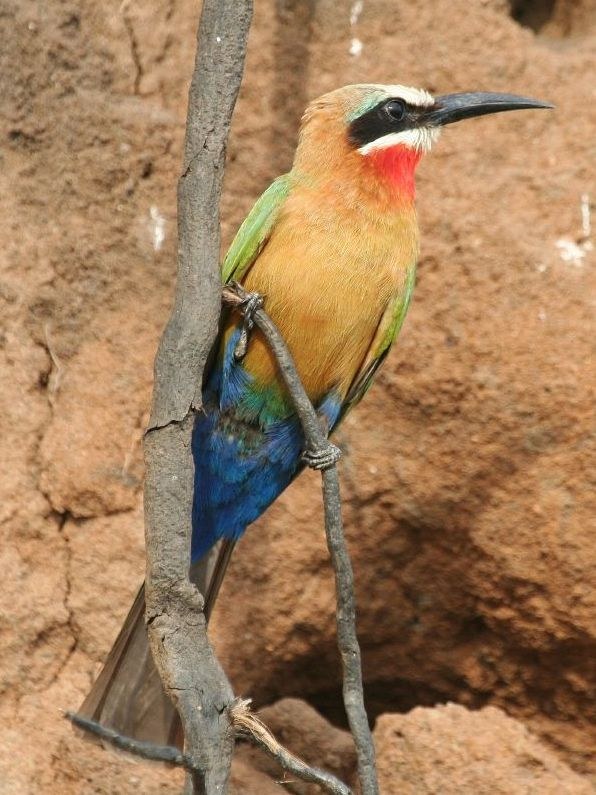
White-fronted Bee-eater
Sleek contour feathers; short tail with slight point

Southern Yellow-billed Hornbill
Slender contour feathers, moderate flight feathers
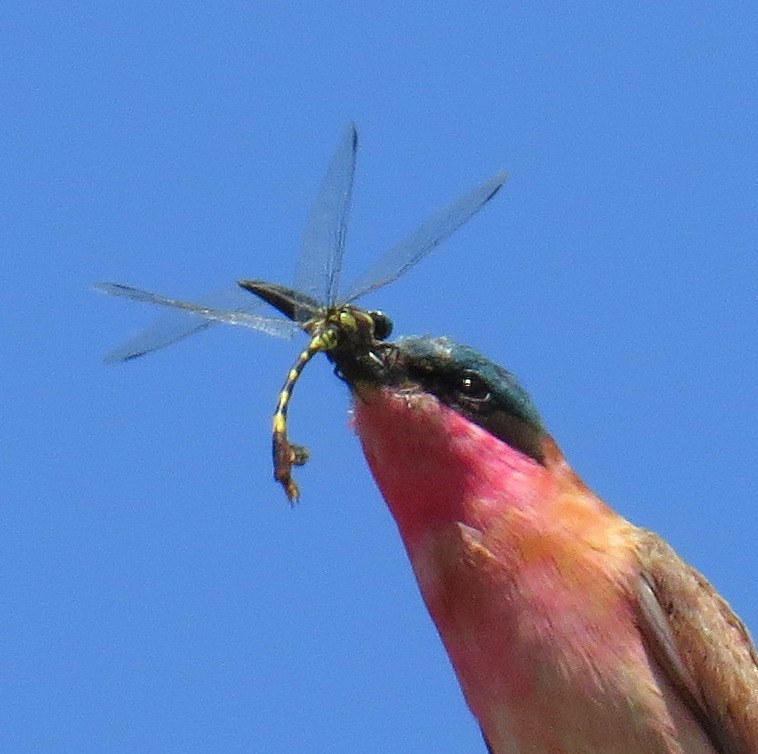
Southern Carmine Bee-eater
Sleek, pointed contour feathers; elongated central tail streamers
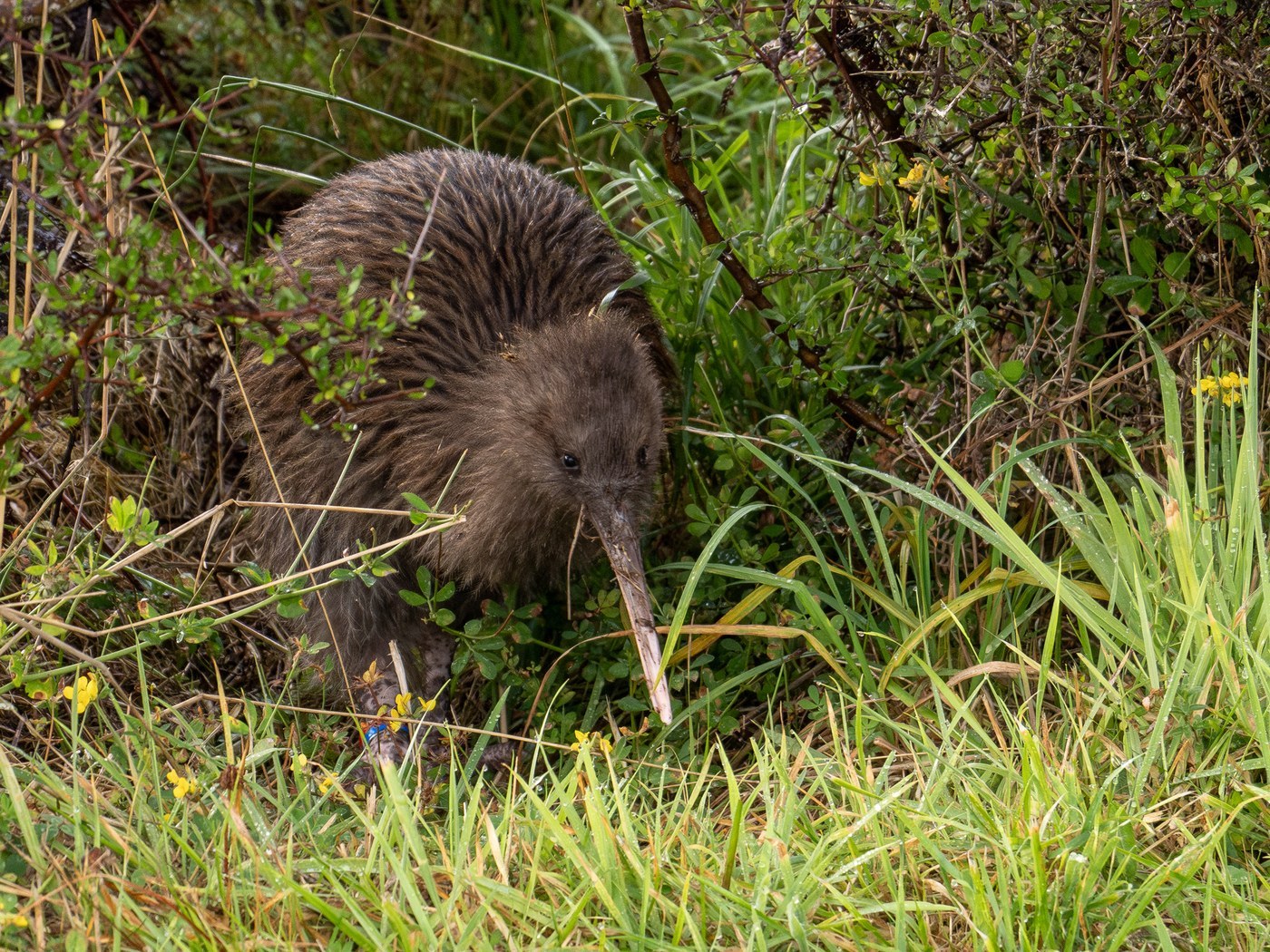
Southern Brown Kiwi
Shaggy, hair-like plumage with loose barbs lacking barbules; flightless, vestigial wings hidden beneath body feathers

Somali Ostrich
Loose, soft plumes lacking interlocking barbules

Wreathed Hornbill
Dense contour feathers, broad flight feathers

Woodland Kingfisher
Firm contour feathers; broad wing feathers