

Southern Cassowary
Casuarius casuarius
A large, flightless rainforest bird, the Southern Cassowary has coarse, hair-like black plumage and a tall bony head casque, with its vivid blue-and-red coloring confined to bare skin rather than feathers.
- Feather type
- Coarse, hair-like double-shafted feathers lacking barbules; quill-like reduced wing feathers
- Colours
- Glossy black body plumage, bright blue and red bare neck skin (not feathered)
- Bird size
- Very large flightless bird, up to ~1.7 m tall
Found a feather like this?
Identify any feather from a photo, free.
Overview
The Southern Cassowary is a large flightless bird of tropical rainforest in northern Australia and New Guinea, notable for a tall keratinous casque atop its head and vividly colored bare skin on the neck. Its body plumage, by contrast, is coarse, dark, and hair-like, structurally suited to pushing through dense rainforest vegetation.
Identifying the Feather
Body feathers are coarse and hair-like, with a double-shaft structure similar to other ratites, lacking the interlocking barbules that create smooth vanes in flying birds; this gives the plumage a shaggy, almost bristly black appearance. Wing feathers are greatly reduced to a small number of stiff, quill-like spines with few or no barbs, visible along the sides of the body rather than functioning as true flight feathers. The vivid blue and red coloring associated with this species is confined to bare skin on the neck and wattles, not feathers, so feather samples alone will appear plain glossy black rather than colorful. The tall head casque is made of keratin, not feather material. This combination of coarse black hair-like body feathers and spine-like wing remnants is diagnostic among rainforest birds.
Plumage & Molt
Sexes look similar in plumage, though females average larger overall with a taller casque in some cases. Juveniles show striped brown plumage for camouflage, quite different from the uniform black of adults, transitioning to adult coloration as they mature. Molt is gradual, without pronounced seasonal changes.
Habitat & Range
Southern Cassowaries inhabit tropical rainforest in far northern Queensland, Australia, and lowland to montane forest in New Guinea and nearby islands. The species is non-migratory and largely sedentary, maintaining home ranges within forest habitat and depending on forest continuity for movement and feeding.
Behavior & Field Notes
Cassowaries are primarily fruit-eaters, supplementing their diet with other plant material and occasional small animals, and play an important ecological role in dispersing seeds of large rainforest fruits. Males take primary responsibility for incubating eggs and raising chicks. Vocalizations include low, deep booming and rumbling calls, some at frequencies near the edge of human hearing. Cassowaries are generally shy and solitary but can behave defensively if provoked, using powerful legs and clawed feet.
Frequently asked questions
Are the blue and red colors of the cassowary found in its feathers?
No, the vivid blue and red coloring is on bare skin of the neck and wattles, while the feathers themselves are plain glossy black.
What do cassowary feathers feel like?
Coarse and hair-like, lacking the interlocking barbules of flight feathers, giving a bristly rather than smooth texture.
Can cassowaries fly?
No, they are flightless, with wing feathers reduced to a few stiff, quill-like spines.
What is the casque made of?
A tall structure made of keratin, the same material as feathers and claws, but not feather tissue itself.
Southern Cassowary guides
In-depth guides for identifying and understanding Southern Cassowary.

Other feathers you may enjoy

Common Cuckoo
Flight and body feathers
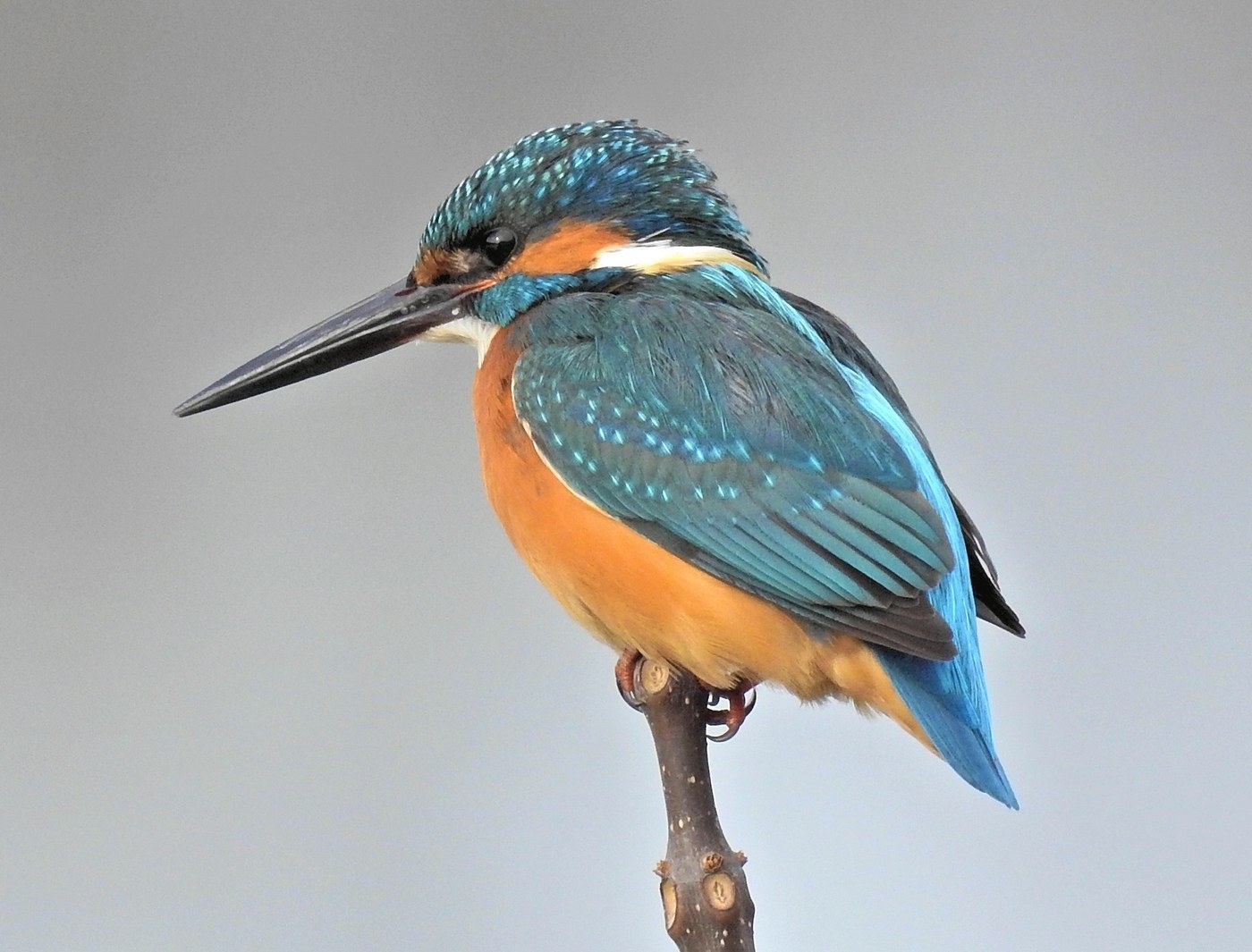
Common Kingfisher
Body (contour) and wing feathers
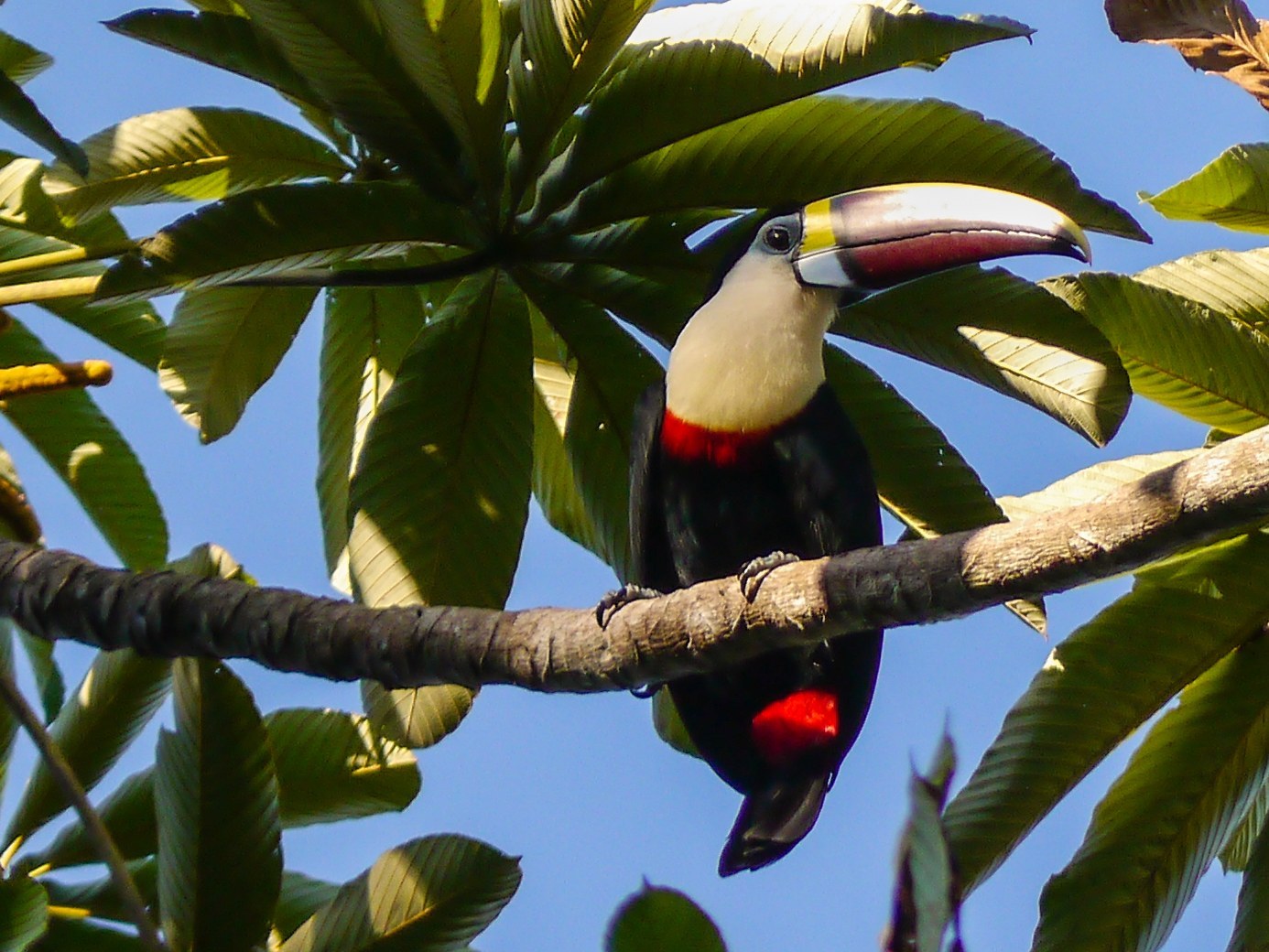
White-throated Toucan
Short rounded contour feathers, short broad wings
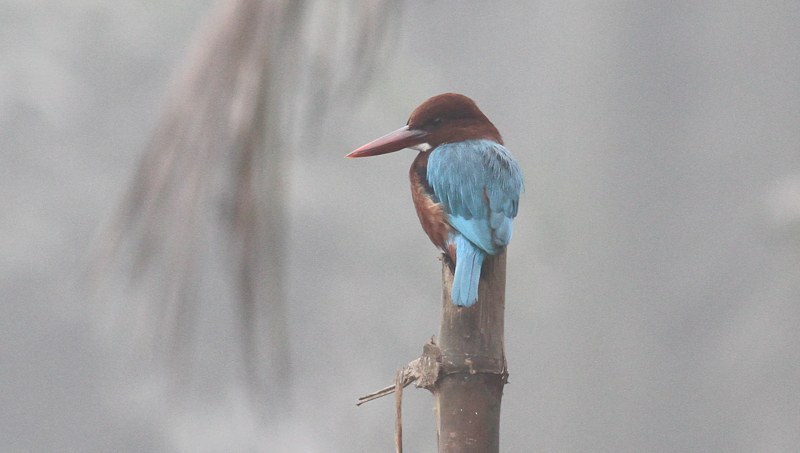
White-throated Kingfisher
Dense contour feathers; broad rounded wings

White-throated Bee-eater
Sleek, aerodynamic contour feathers; elongated central tail streamers
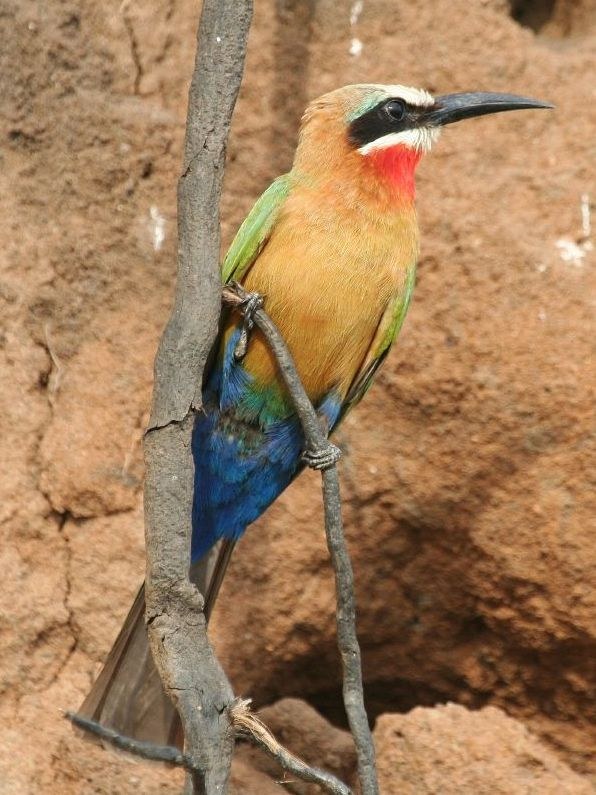
White-fronted Bee-eater
Sleek contour feathers; short tail with slight point

Southern Yellow-billed Hornbill
Slender contour feathers, moderate flight feathers
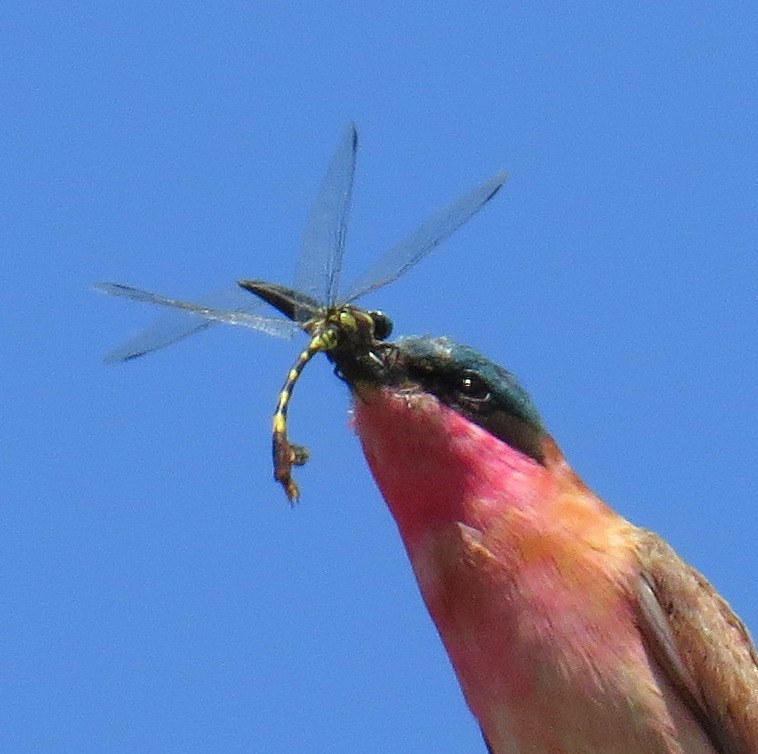
Southern Carmine Bee-eater
Sleek, pointed contour feathers; elongated central tail streamers
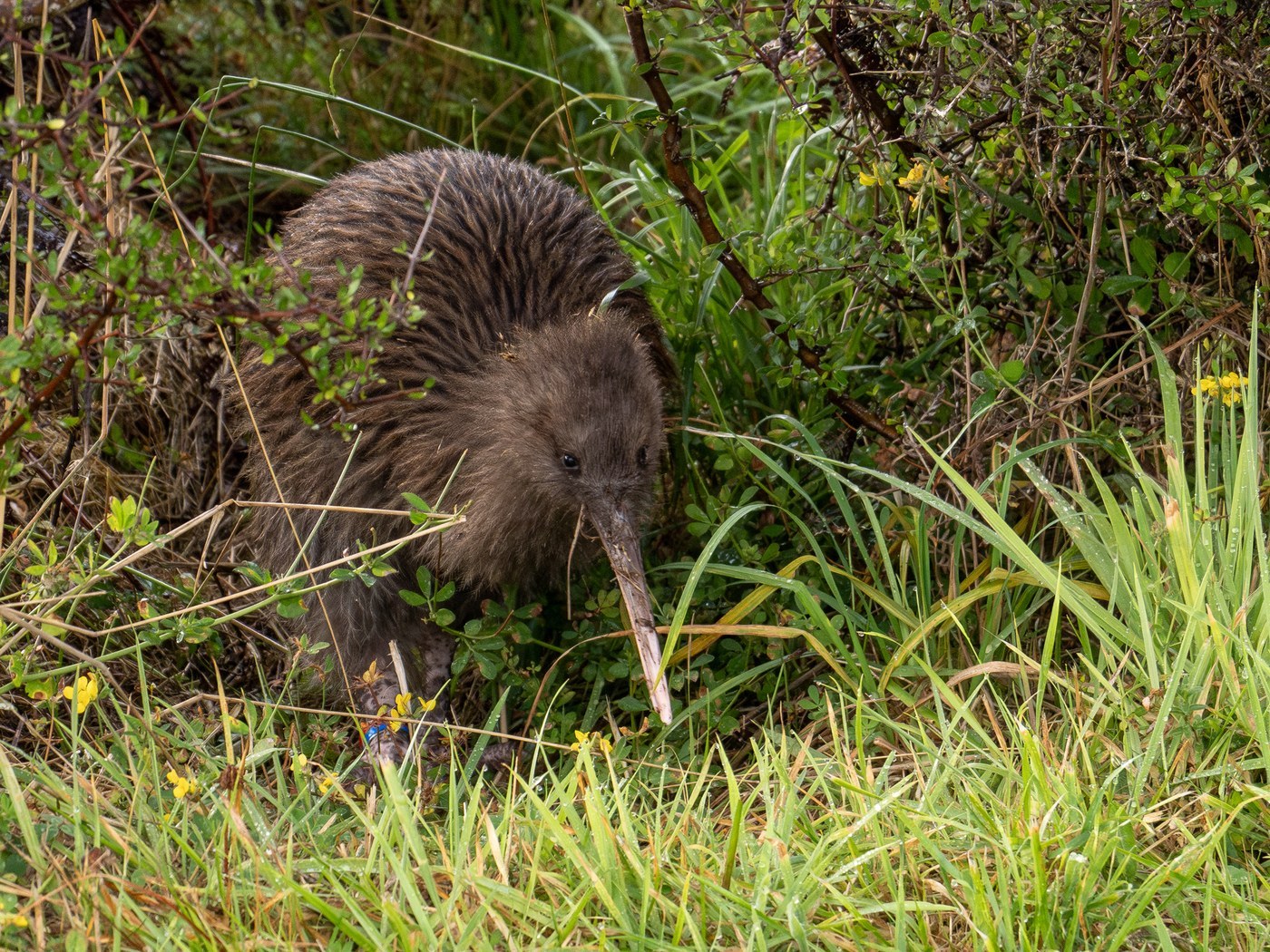
Southern Brown Kiwi
Shaggy, hair-like plumage with loose barbs lacking barbules; flightless, vestigial wings hidden beneath body feathers

Somali Ostrich
Loose, soft plumes lacking interlocking barbules

Wreathed Hornbill
Dense contour feathers, broad flight feathers

Woodland Kingfisher
Firm contour feathers; broad wing feathers