

Pale-billed Woodpecker
Campephilus guatemalensis
A large Middle American woodpecker closely related to the Crimson-crested and Ivory-billed Woodpeckers, recognized by its fully red head and pale, ivory-toned bill.
- Feather type
- Large contour feathers with a red crest
- Colours
- Red head with black-and-white barred body
- Bird size
- Large, ~35 cm
Found a feather like this?
Identify any feather from a photo, free.
Overview
The Pale-billed Woodpecker ranges from Mexico south through Central America to western Panama and just into Colombia, occupying humid and semi-deciduous forest as well as mangroves. It belongs to the same genus as the Crimson-crested and Ivory-billed Woodpeckers and shares their general body plan and bold plumage pattern, differing mainly in range and subtle plumage details.
The species' pale, bone-colored bill (from which its name derives) is a useful field mark, though not a feather feature, alongside its all-red male head.
Identifying the Feather
Key features:
- Male head, crest, and malar feathers are entirely red, with no black on the forehead
- Female forecrown and forehead feathers are black, with red confined to the rear crown and crest
- Back feathers are black with a pale stripe running down each side converging toward the lower back
- Flank feathers show black-and-white barring
Compared to similar species: very similar to the Crimson-crested Woodpecker in plumage, but the two do not overlap geographically; compared to the Lineated Woodpecker, the Pale-billed male lacks any black on the forecrown, showing red from bill to crest.
Plumage & Molt
Males show a fully red head including the forehead and malar stripe, while females have a black forehead and forecrown with red limited to the hindcrown and crest. Juveniles resemble females but are duller. The species undergoes a single complete annual molt.
Habitat & Range
This species inhabits humid evergreen forest, semi-deciduous forest, and mangroves from Mexico through Central America to western Panama, occasionally reaching into northwestern Colombia. It is a non-migratory resident throughout its range and can tolerate some forest disturbance if large trees remain.
Behavior & Field Notes
Pale-billed Woodpeckers excavate deeply into dead and decaying wood in search of beetle larvae and ants, using their heavy bill to strip bark and probe crevices. They produce loud calls and a distinctive double-knock drum that carries well through forest. Nests are placed in cavities within large dead trees. Pairs typically forage and defend territory together, moving between trees within a home range.
Frequently asked questions
What distinguishes a Pale-billed Woodpecker feather from a Lineated Woodpecker feather?
Male Pale-billed Woodpecker head feathers are entirely red with no black on the forecrown, while male Lineated Woodpecker feathers retain a black patch on the forecrown behind the red bill area.
Is bill color relevant to feather identification?
Bill color itself is not a feather trait, but it is a helpful supporting clue if found alongside feathers, since this species has a notably pale, ivory-toned bill.
Where in Central America is this species most likely found?
It ranges from Mexico through Central America to western Panama, in humid and semi-deciduous forest and mangroves, so feathers found in this region and habitat type are consistent with the species.
How can sex be determined from a head feather?
A fully red feather from the forehead area suggests a male, while a black feather from that same forehead region would indicate a female, since only females show black on the front of the head.
Pale-billed Woodpecker guides
In-depth guides for identifying and understanding Pale-billed Woodpecker.

Other feathers you may enjoy

Ivory-billed Woodpecker
Very large flight feathers with a solid white trailing patch

Great Slaty Woodpecker
Massive, uniformly colored contour feathers

Yellow-tufted Woodpecker
Black body feathers with bright yellow forehead tufts

Magellanic Woodpecker
Very large, glossy contour feathers with a recurved crest

Yellow-bellied Sapsucker
Black-and-white patterned back and facial-stripe feathers
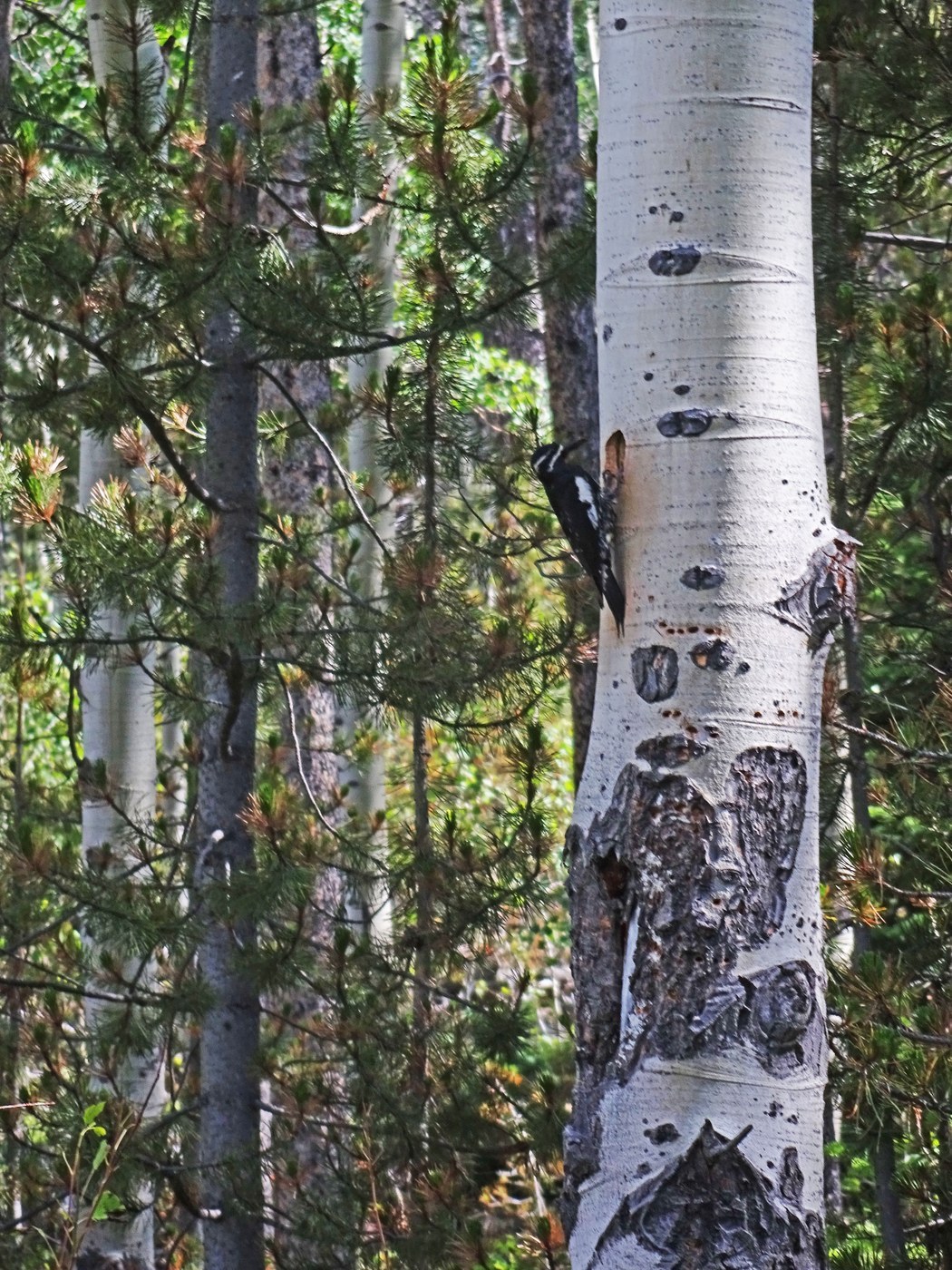
Williamson's Sapsucker
Strongly sexually dimorphic body feathers, glossy black or finely barred brown

Yellow-crowned Woodpecker
Contour and flight feathers

White Woodpecker
Mostly white body feathers with contrasting black wings and back

Red-throated Wryneck
Soft, cryptically mottled contour feathers

White-bellied Woodpecker
Large, glossy black contour and flight feathers

White-backed Woodpecker
Barred back feathers rather than a solid white patch
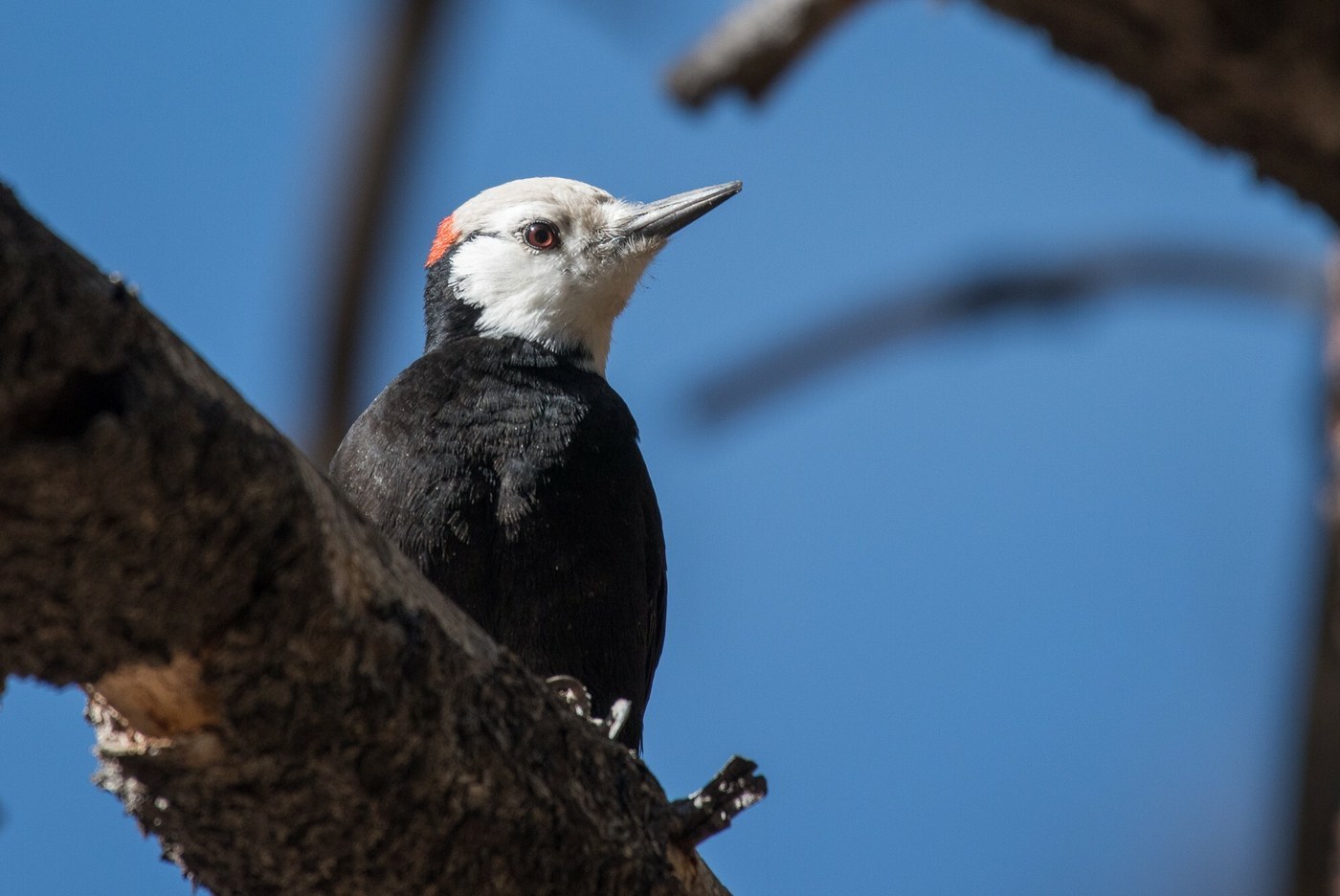
White-headed Woodpecker
Solid black body feathers with an entirely white head