
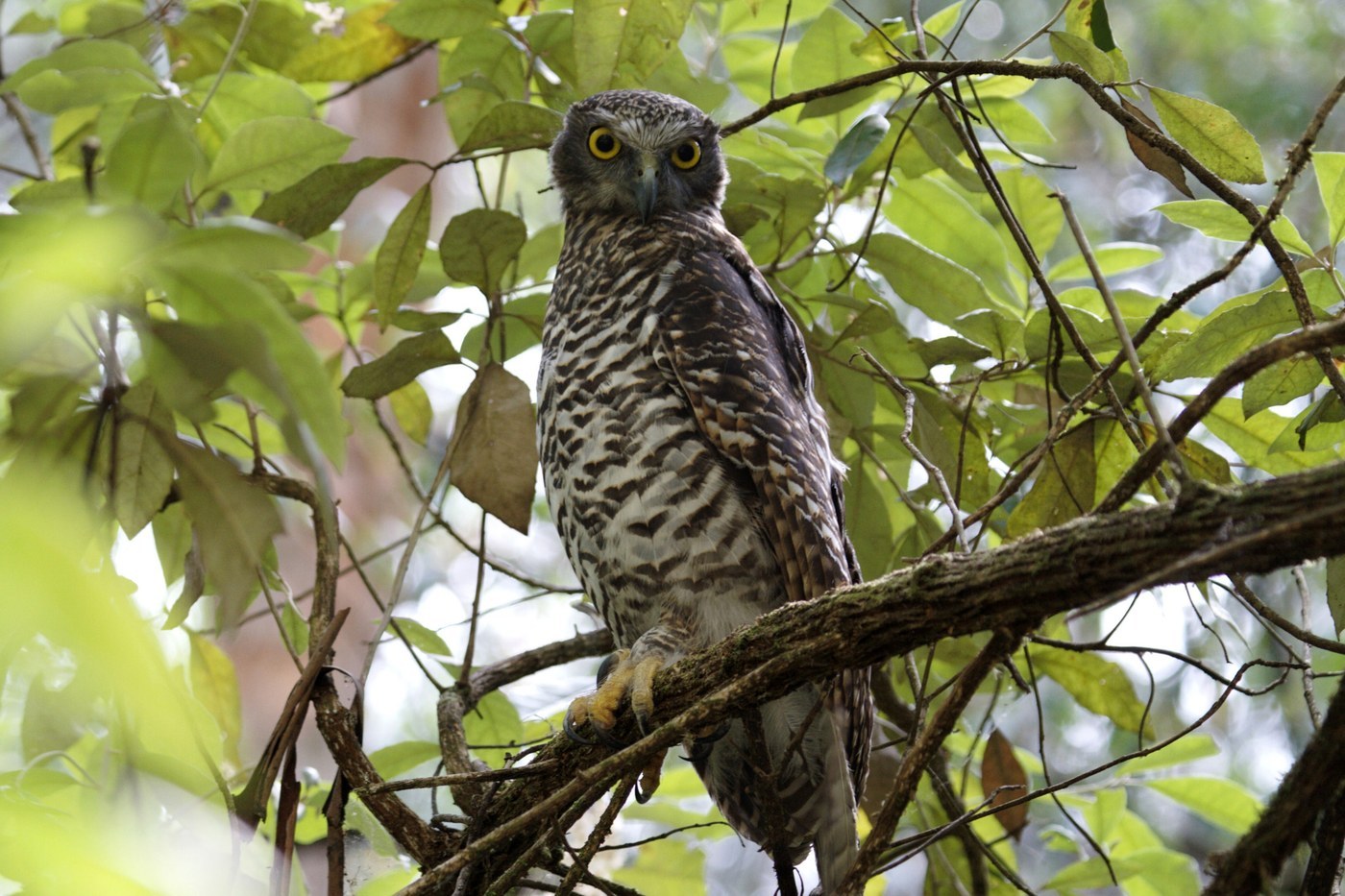
Powerful Owl
Ninox strenua
Australia's largest owl, a powerful hawk-owl of eucalypt forest that preys on tree-dwelling mammals, its underparts marked with bold dark chevrons rather than simple streaks or bars.
- Feather type
- Long broad flight feathers; long banded tail; densely barred body plumage
- Colours
- Grayish-brown above finely barred; whitish underparts marked with dark V- or chevron-shaped bars
- Bird size
- Very large for a hawk-owl, ~60-65 cm, Australia's largest owl
Found a feather like this?
Identify any feather from a photo, free.
Overview
The Powerful Owl is the largest owl species in Australia, a formidable predator of eucalypt forest and woodland along the eastern seaboard, from Queensland to Victoria. As a member of the hawk-owl genus Ninox, it lacks the pronounced facial disc of barn owls, giving it a more hawk-like head shape.
It specializes in hunting arboreal mammals such as possums and gliders, taken from a perch with a swift, powerful strike, reflecting its name. Pairs hold large forest territories and are highly sedentary, often using the same roost trees for years.
Its distinctive underparts pattern of dark, V-shaped or chevron markings on white is one of the more recognizable feather patterns among Australian owls, differing from the simpler streaking or barring of most other Ninox owls.
Identifying the Feather
Size and shape
Large, robust feathers from a bird 60-65 cm long, the largest owl feathers found in Australia. The tail is long and the wings broad and rounded, typical of forest-dwelling hawk-owls.
Color and pattern
- Upperparts are grayish-brown, finely barred and mottled.
- Underparts are the most distinctive feature: whitish to pale gray ground marked with bold dark V-shaped or chevron markings, rather than simple streaks or bars.
- The tail is long, dark brown, with several pale bars.
- Shafts are pale brown.
Distinguishing from similar species
Compared to other Australian Ninox owls such as the Southern Boobook or Barking Owl, Powerful Owl feathers are considerably larger and show the distinctive chevron or V-shaped underparts pattern rather than simple spotting or streaking, along with a longer tail.
Plumage & Molt
Adults are grayish-brown above, finely barred, with whitish underparts marked by bold dark chevron or V-shaped markings unique among Australian owls. Sexes are similar, with females often slightly larger. Juveniles are paler and downier, with a fluffier white head before acquiring adult markings. Molt follows breeding on an annual cycle typical of large owls.
Habitat & Range
This species is restricted to eastern Australia, from northern Queensland south through New South Wales and Victoria, favoring tall eucalypt forest and woodland with a dense understorey that supports arboreal mammal prey. It is largely sedentary, with pairs holding large permanent territories.
Behavior & Field Notes
Powerful Owls prey heavily on arboreal mammals such as possums and gliders, captured with a swift strike from a perch, and also take birds and flying foxes on occasion. Pairs roost together by day, often holding a partly eaten prey item in their talons, and are known for using the same roost sites for many years. The call is a slow, deep, resonant double hoot. Nests are placed in large tree hollows. When identifying a feather, look for the large size, grayish-brown barred upperparts, and especially the bold V-shaped or chevron underparts pattern distinctive to this species.
Frequently asked questions
Is the Powerful Owl really the largest owl in Australia?
Yes, it is the largest owl species found in Australia, considerably larger than other native Ninox owls such as the Southern Boobook.
What pattern should I look for on a Powerful Owl feather?
Look for grayish-brown, finely barred upperparts and, most distinctively, whitish underparts marked with bold dark V-shaped or chevron markings rather than simple streaks.
What does the Powerful Owl mainly eat?
It preys heavily on arboreal mammals such as possums and gliders, captured with a swift strike from a perch, along with some birds.
Does the Powerful Owl migrate?
No, it is largely sedentary, with pairs holding the same large forest territory and roost sites for many years.
Powerful Owl guides
In-depth guides for identifying and understanding Powerful Owl.
Other feathers you may enjoy

Tawny Owl
Wing (flight) and body (contour) feathers
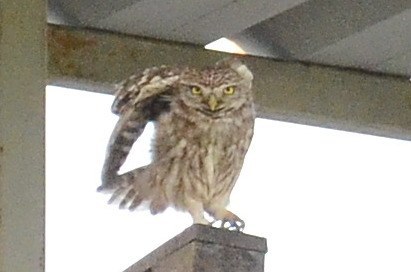
Little Owl
Wing and body feathers

Balsas Screech-Owl
Small ear-tuft feathers; soft, finely vermiculated body feathers

Blakiston's Fish Owl
Massive flight feathers with looser structure; shaggy body plumage; prominent ear-tuft feathers

Barn Owl
Wing and facial-disc feathers
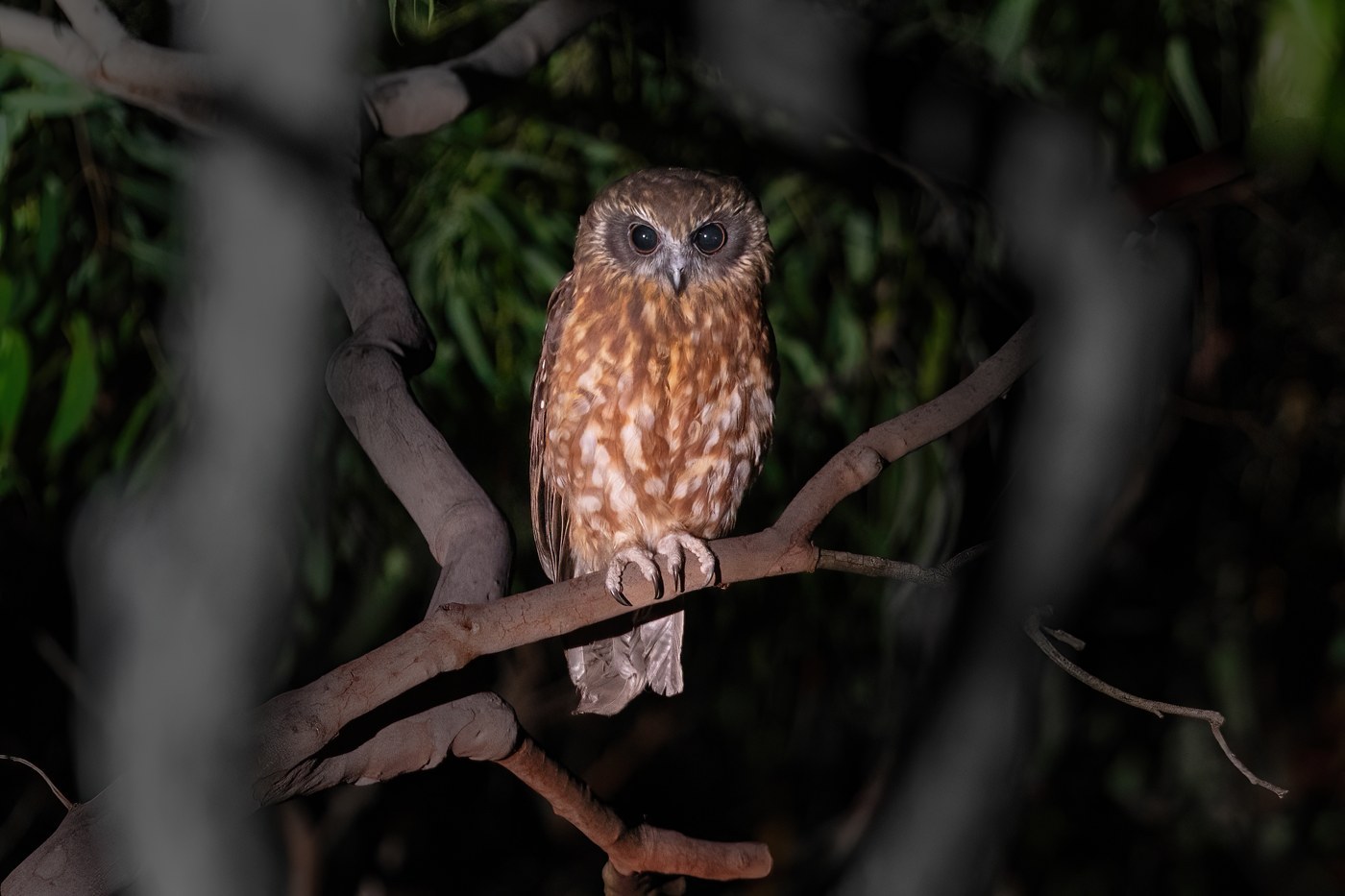
Southern Boobook
Rounded flight feathers; banded tail; spotted body plumage

Sooty Owl
Broad soft-edged flight feathers; heart-shaped facial disc feathers; finely speckled body plumage

Short-eared Owl
Broad soft-fringed flight feathers; streaked body feathers; tiny, rarely visible ear tufts

Stygian Owl
Dark, mottled flight and body feathers with long, closely-set ear tufts
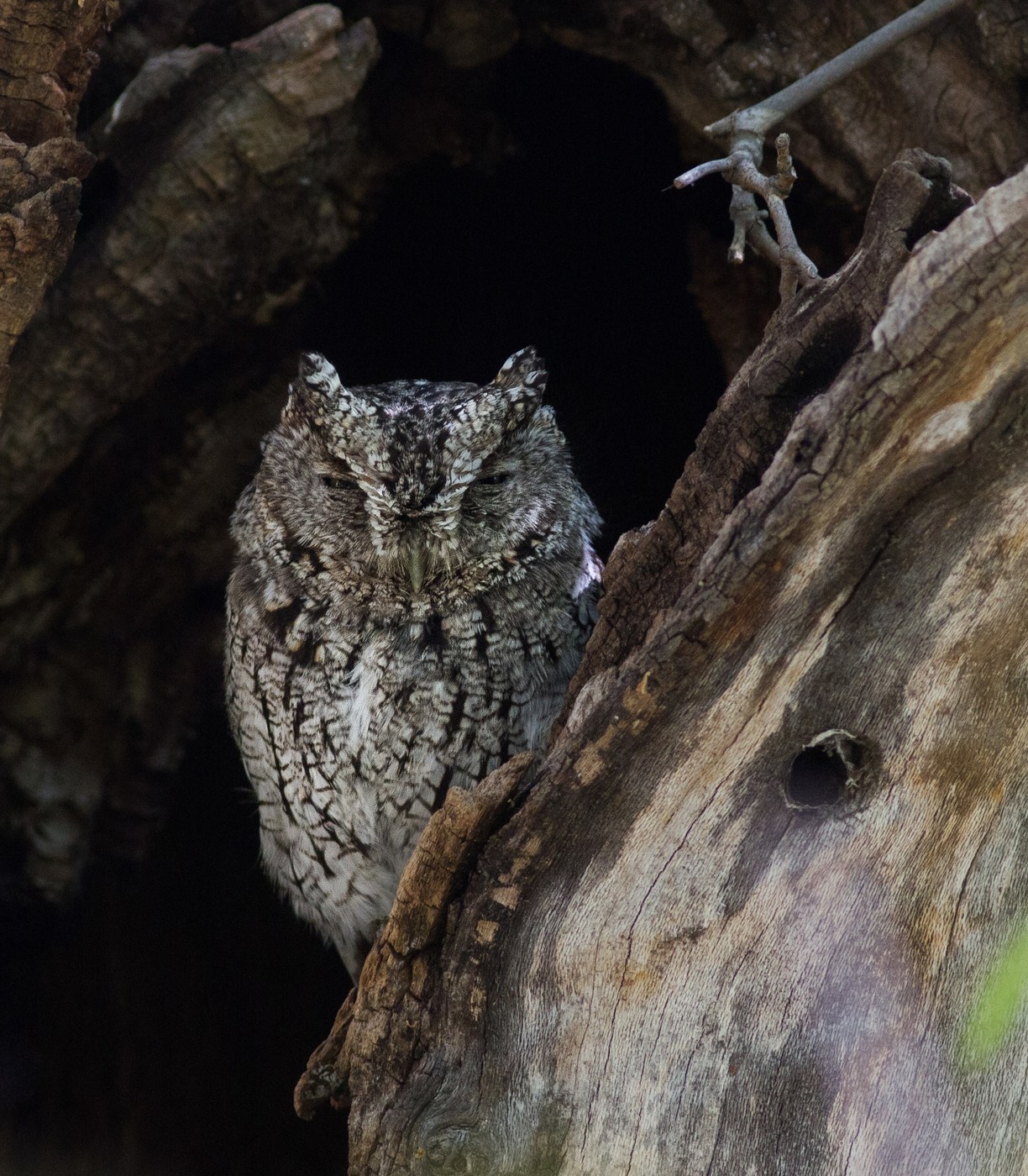
Whiskered Screech-Owl
Small soft-fringed flight feathers; finely mottled body feathers; short ear tufts
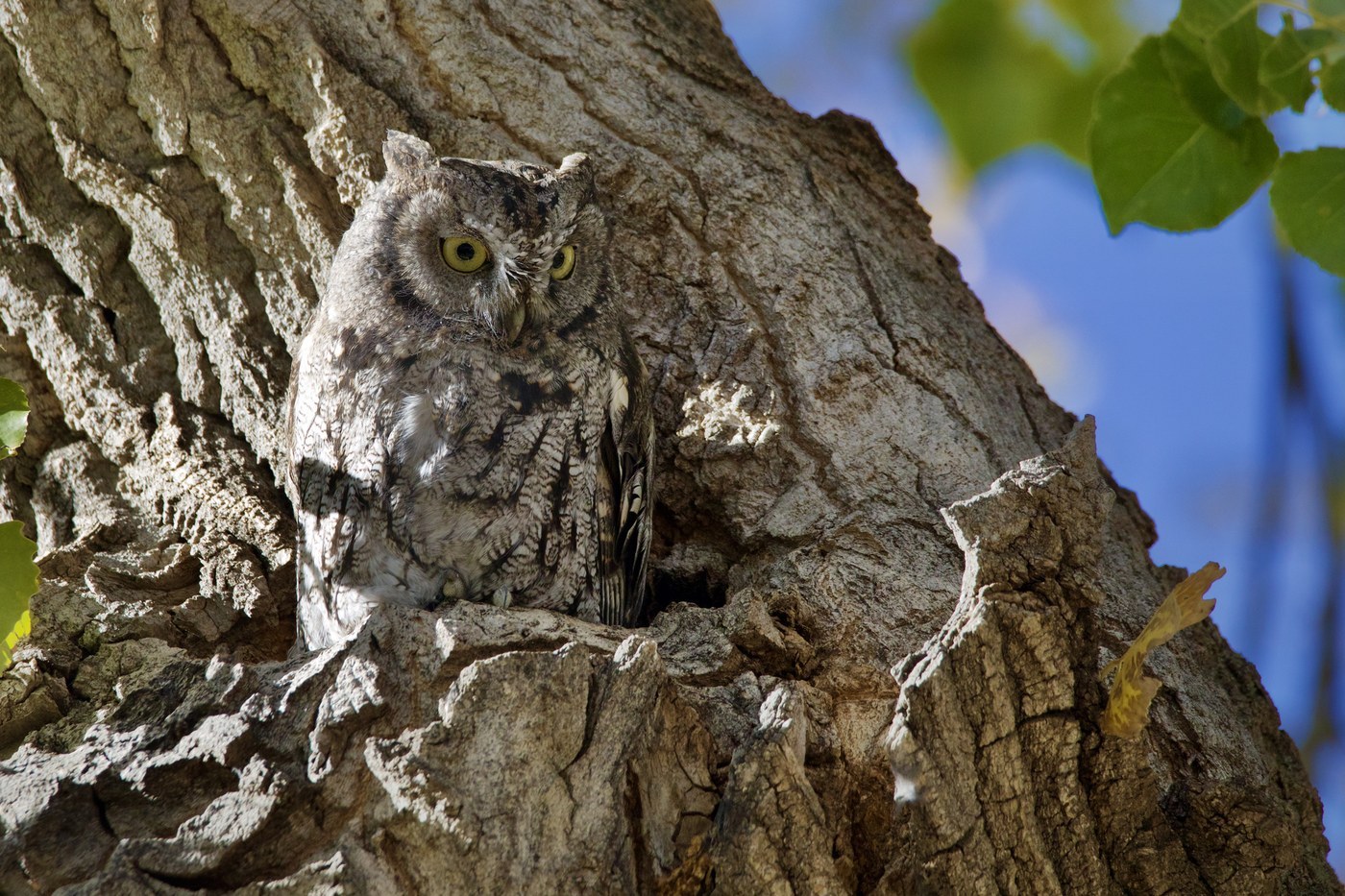
Western Screech-Owl
Small soft-fringed flight feathers; cryptic mottled/streaked body feathers; short ear tufts

White-faced Scops Owl
Small to medium flight feathers with a distinctive whitish facial disc and long ear-tuft plumes