
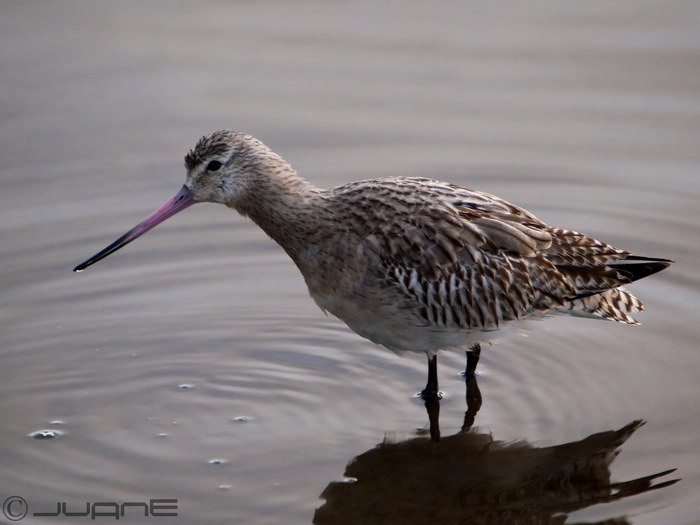
Bar-tailed Godwit
Limosa lapponica
A high-Arctic-breeding godwit renowned for extraordinary nonstop transoceanic migratory flights, showing a finely barred tail and rich brick-red breeding underparts quite different from the bold black tail of the related Black-tailed Godwit.
- Feather type
- Large wader contour and flight feathers
- Colours
- Rich brick-red breeding underparts; finely barred tail; plain streaked gray-brown nonbreeding plumage
- Bird size
- Large, ~37-41 cm
Found a feather like this?
Identify any feather from a photo, free.
Overview
Overview
The Bar-tailed Godwit breeds on high Arctic tundra across northern Eurasia and Alaska and is famous for completing some of the longest nonstop migratory flights recorded in any bird, with some individuals flying directly across the Pacific Ocean between Alaska and New Zealand or Australia. Its finely barred tail distinguishes it clearly from the bold black tail of the Black-tailed Godwit.
Feathers are typically found at major coastal staging sites during migration and on open mudflats and estuaries on the wintering grounds.
Identifying the Feather
Feather Identification
- Tail feathers: finely barred black-and-white pattern throughout, quite different from the solid black terminal band of Black-tailed Godwit.
- Wing feathers: lacks the bold white wingbar of Black-tailed Godwit, showing a much plainer, less contrasting wing pattern in flight.
- Breeding underparts: rich brick-red to chestnut wash across the neck, breast, and belly, particularly vivid in males.
- Nonbreeding feathers: streaked gray-brown above and pale below, plainer than breeding plumage but retaining the finely barred tail pattern.
- Versus Black-tailed Godwit: the finely barred tail (rather than a bold black band) and absence of a strong white wingbar are the clearest distinctions from Black-tailed Godwit.
Plumage & Molt
Plumage Notes
Breeding males show a particularly vivid brick-red to chestnut wash covering the underparts almost entirely, while breeding females are typically larger and somewhat less brightly colored. Nonbreeding adults become streaked grayish-brown above and pale gray-white below, losing the rich breeding color.
Juveniles show a buffy wash with neatly scaled upperpart feathers, distinct from the vivid breeding adult. Several subspecies breeding across Eurasia and Alaska show variation in the depth of breeding coloration. Molt into nonbreeding plumage generally occurs after long migratory flights are completed on the wintering grounds.
Habitat & Range
Habitat & Range
Bar-tailed Godwits breed on high Arctic tundra across northern Scandinavia, Russia, and Alaska. They undertake extraordinary migratory journeys, including some of the longest recorded nonstop flights of any bird, and winter on coastal mudflats and estuaries across western Europe, Africa, South and Southeast Asia, and Australasia.
Behavior & Field Notes
Behavior & Field Notes
Bar-tailed Godwits forage by probing in soft mud and shallow water for invertebrates, often building substantial fat reserves before undertaking their extreme long-distance migratory flights. They gather in large flocks at key staging areas to refuel before and after these journeys.
Nests are shallow tundra scrapes. The flight call is a sharp, distinctive note given during display and migration. Because of their reliance on specific critical staging sites along major flyways, feathers are often concentrated at these locations during migration periods.
Frequently asked questions
What is the key feather difference between Bar-tailed and Black-tailed Godwit?
Bar-tailed Godwit shows a finely barred black-and-white tail throughout, while Black-tailed Godwit has a bold, solid black terminal tail band.
What color are breeding male underparts?
A vivid brick-red to chestnut wash covering the underparts almost entirely.
What is this species known for?
Completing some of the longest nonstop migratory flights recorded in any bird, including direct crossings of the Pacific Ocean.
Where would I find Bar-tailed Godwit feathers?
At major coastal staging sites during migration or on open mudflats and estuaries on the wintering grounds.
Do males and females look different?
Breeding females are typically larger and somewhat less brightly colored than males.
Bar-tailed Godwit guides
In-depth guides for identifying and understanding Bar-tailed Godwit.
Other feathers you may enjoy
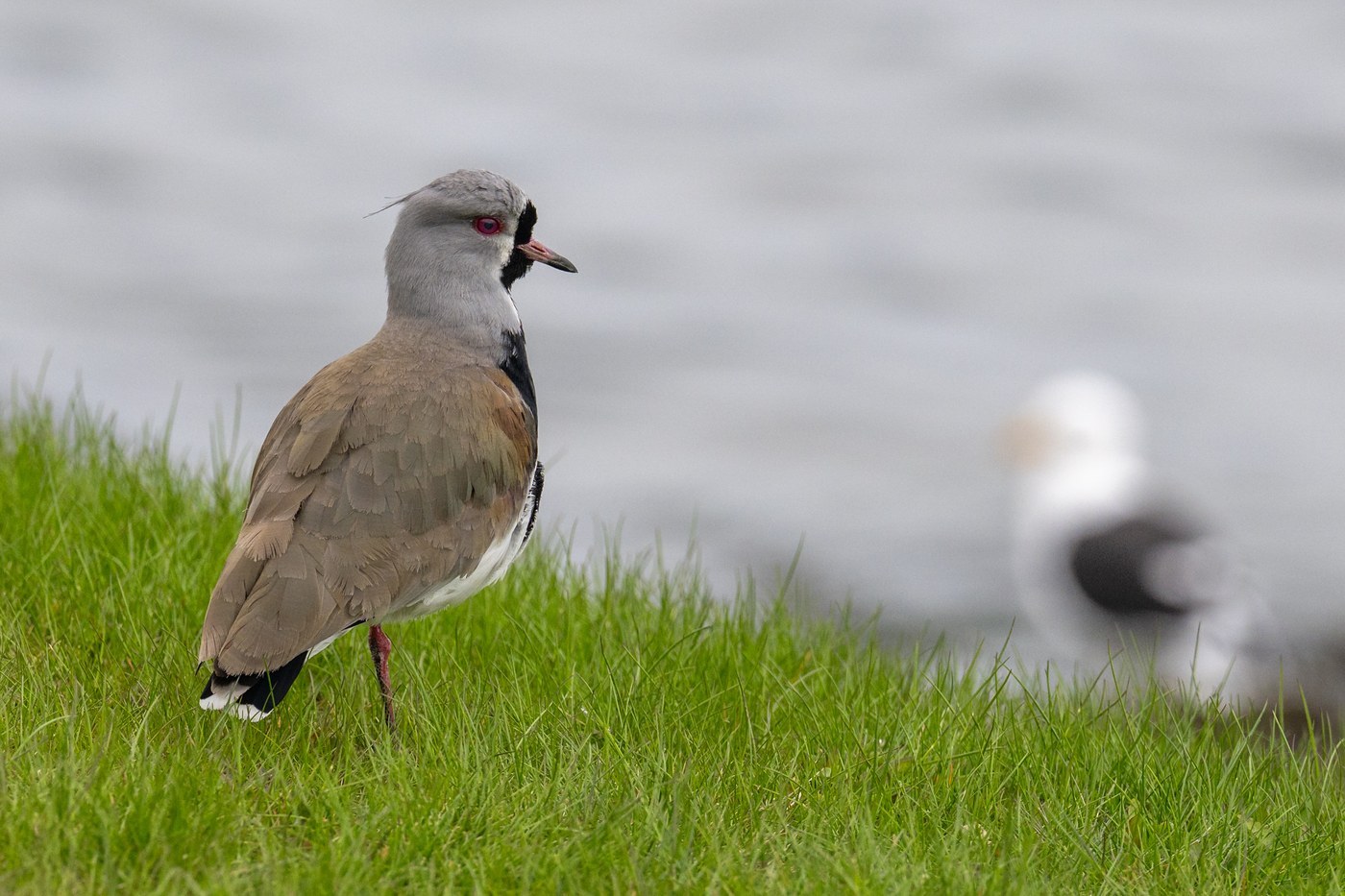
Southern Lapwing
Body, flight, and tail feathers

Jack Snipe
Body and flight feathers

Far Eastern Curlew
Body, flight, and tail feathers

Terek Sandpiper
Body and flight feathers

Wilson's Phalarope
Body and flight feathers
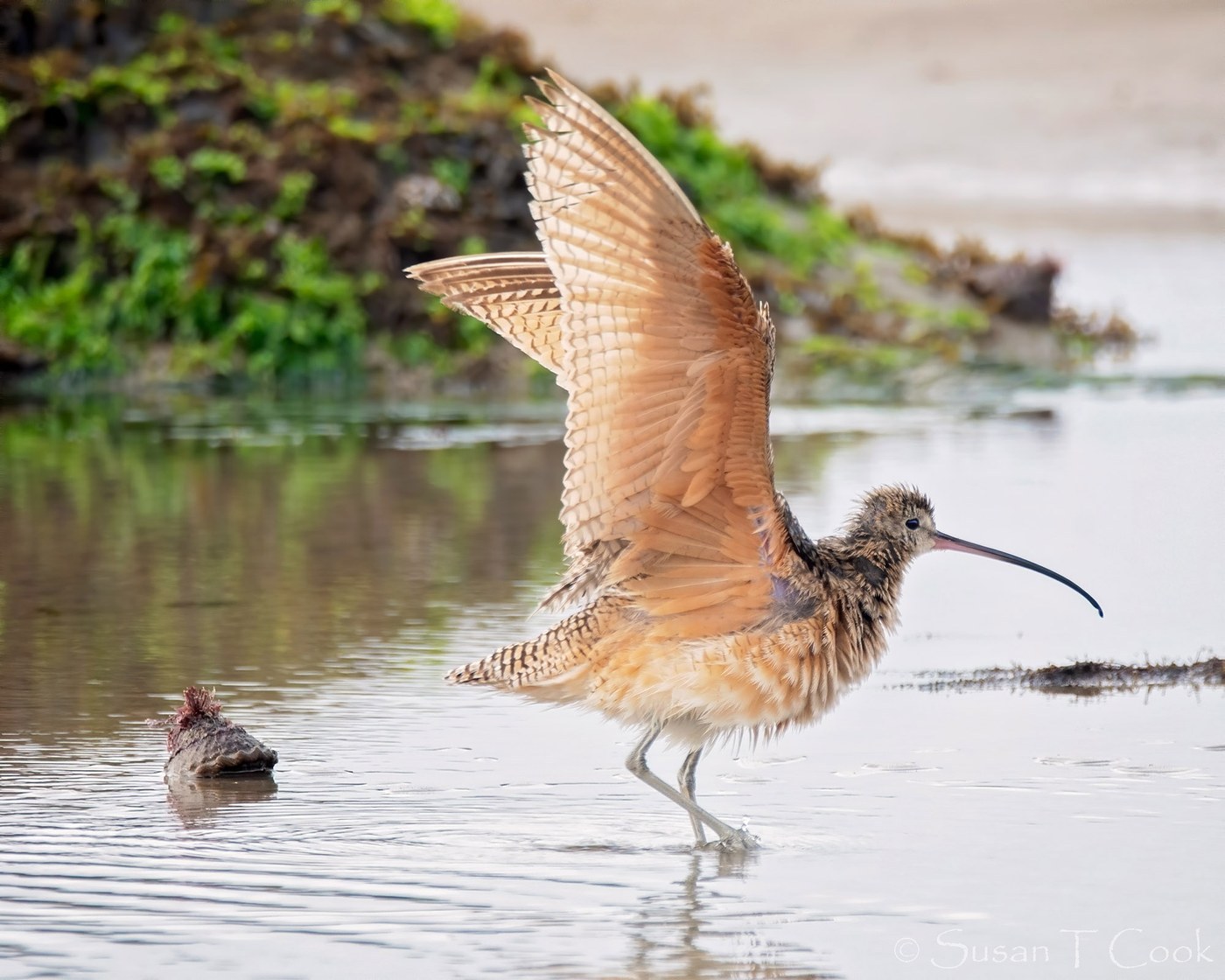
Long-billed Curlew
Body, flight, and tail feathers

Upland Sandpiper
Body, flight, and tail feathers

Red Phalarope
Body and flight feathers

Eurasian Dotterel
Body feathers
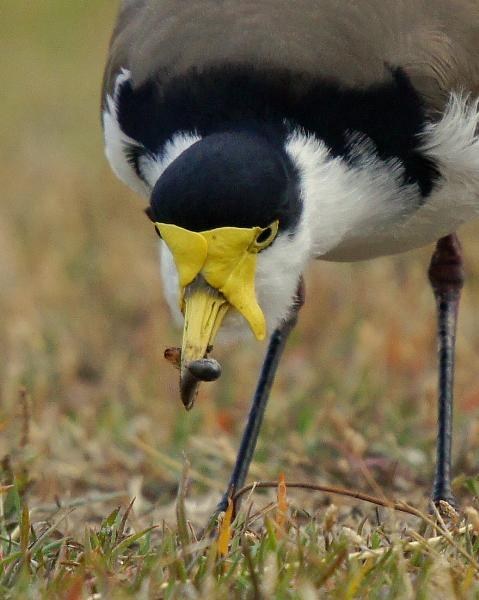
Masked Lapwing
Body, flight, and tail feathers
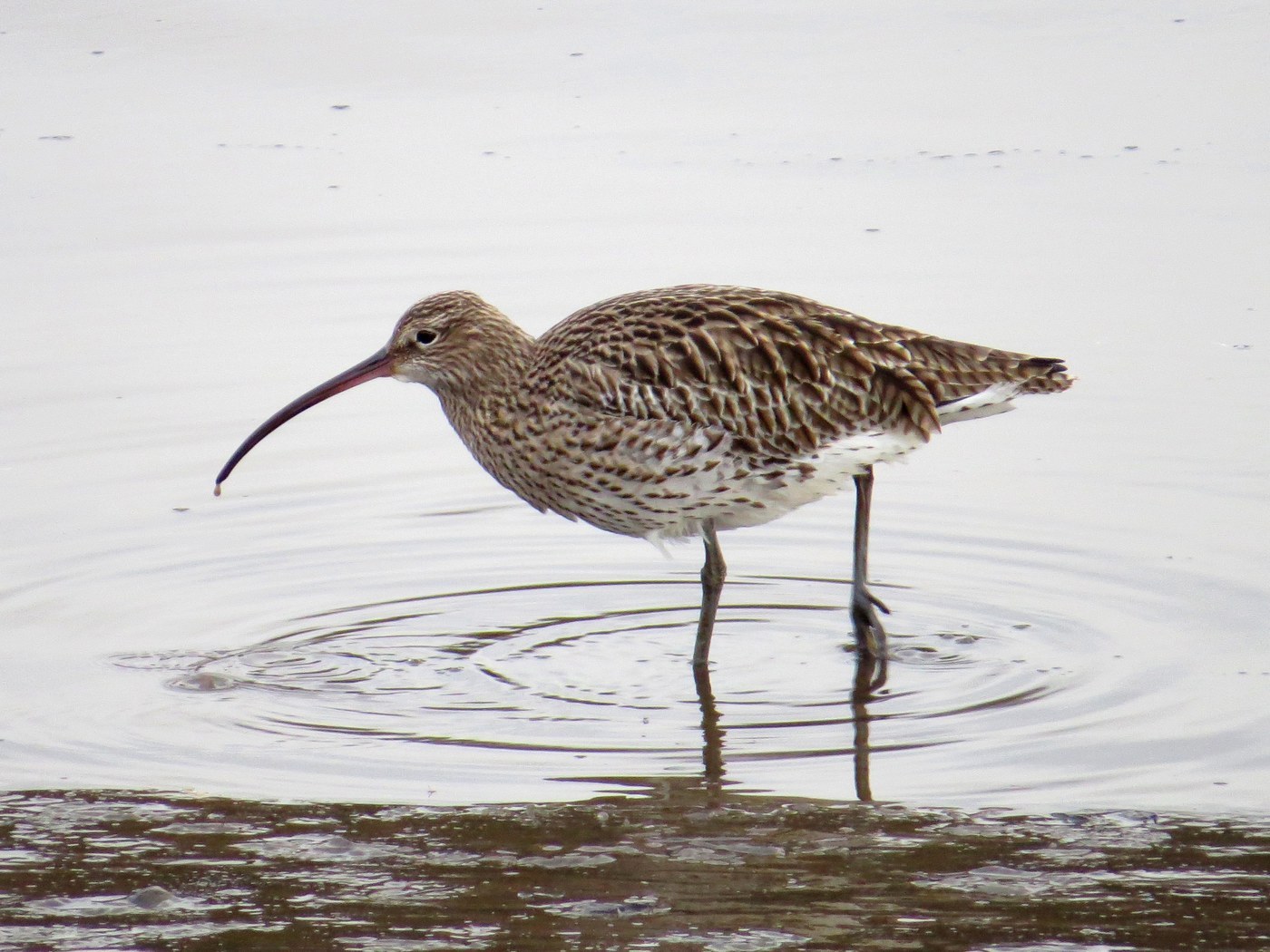
Eurasian Curlew
Body, flight, and tail feathers
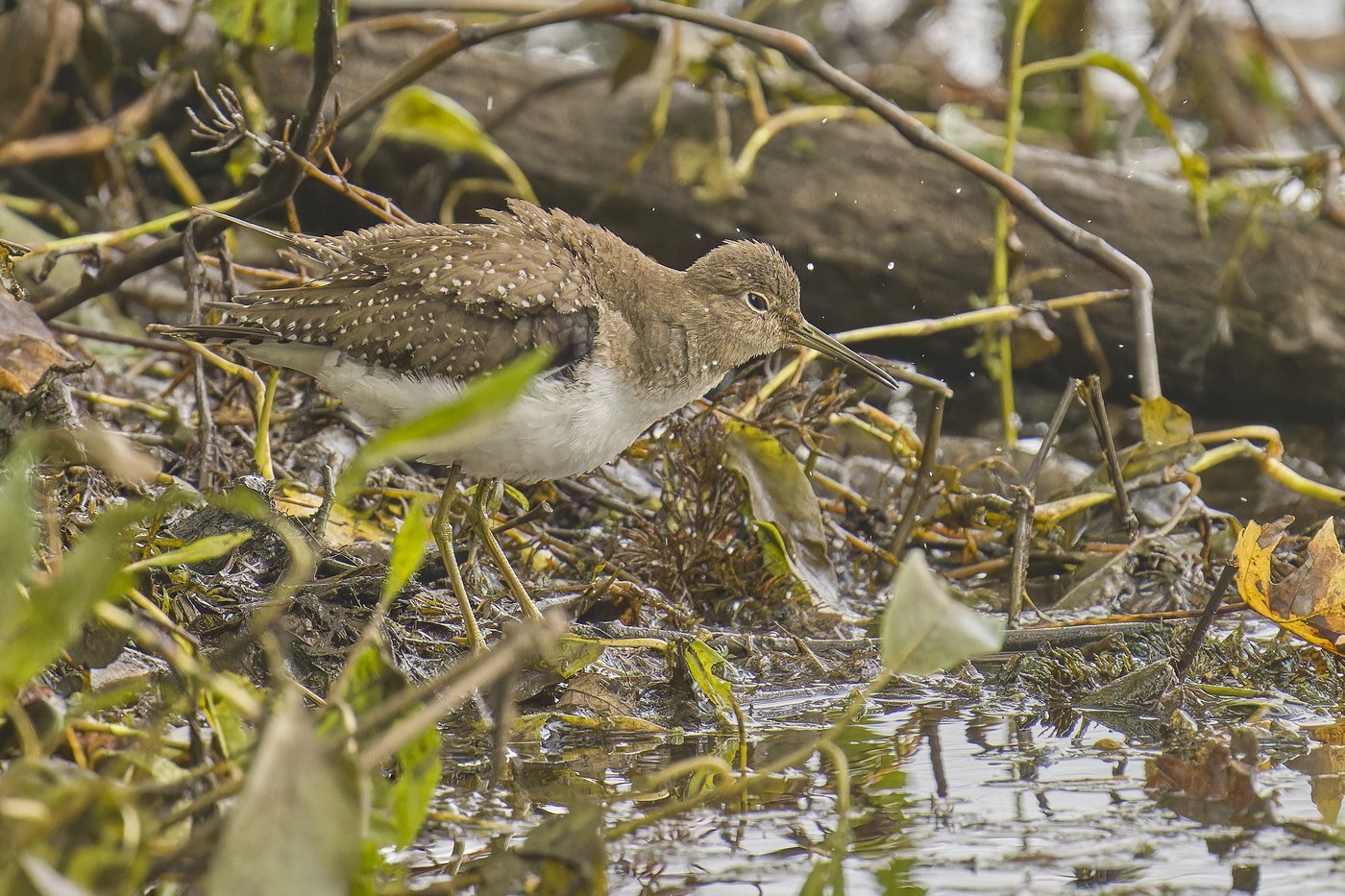
Solitary Sandpiper
Contour and flight feathers