

Upland Sandpiper
Bartramia longicauda
A grassland shorebird with a small head, long neck, and long tail, the Upland Sandpiper shows richly patterned buffy-brown feathers with dark barring and a scaled look, entirely adapted to life away from water.
- Feather type
- Body, flight, and tail feathers
- Colours
- Buffy brown with dark barring and scaled pattern
- Bird size
- Medium shorebird, ~28-32 cm
Found a feather like this?
Identify any feather from a photo, free.
Overview
The Upland Sandpiper is an unusual shorebird that has largely abandoned shorelines in favor of grasslands, prairies, and pastures, where its small head, thin neck, and long tail give it a distinctive silhouette often compared to a small dove or plover on a fence post. Its buffy-brown, intricately patterned feathers provide excellent camouflage in dry grass, and its haunting, wolf-whistle-like flight call is a signature sound of open country.
Identifying the Feather
Feathers show a buffy-brown ground color overlaid with dark brown barring and crescent-shaped markings that create a scaled, almost quail-like pattern, especially on the back and wing coverts. The tail is notably long for a sandpiper, with the central feathers dark brown and buff-barred, and outer tail feathers showing more rufous tones with dark subterminal bars. Underparts feathers are pale buff with fine dark chevron markings on the breast and flanks, becoming plainer whitish on the belly. Flight feathers are dark brown, contrasting somewhat with the paler body feathers. Compared to true plovers or typical sandpipers, Upland Sandpiper feathers show a warmer, more buff-saturated tone suited to dry grassland rather than mudflats.
Plumage & Molt
Sexes look alike in plumage. Juveniles resemble adults but show crisper, more clearly outlined buff fringing on the wing covert feathers, giving a scalier appearance than the slightly worn look of adults later in the season. Seasonal plumage variation is minimal. The complete molt occurs mostly after arrival on South American wintering grounds, with flight feathers replaced over an extended period during the austral summer.
Habitat & Range
Breeds in native and restored grasslands, prairie, hayfields, and pastures across the northern and central United States and southern Canada, notably favoring taller grass structure than many other grassland birds. It is a long-distance migrant, wintering in grasslands of the pampas region of South America, particularly Argentina, Uruguay, and Paraguay, making one of the longest migrations of any grassland-dependent bird.
Behavior & Field Notes
Upland Sandpipers forage by walking through grass picking insects, especially grasshoppers and beetles, from vegetation and the ground, rarely wading in water like typical shorebirds. Nests are well-concealed ground scrapes hidden in dense grass, with both parents involved in incubation and defense of the young. The species is known for a distinctive, mournful, rolling whistle given especially during display flights, often described as wolf-like. It frequently perches conspicuously on fence posts or utility poles, holding its wings up briefly after landing. Populations have declined regionally due to grassland habitat loss.
Frequently asked questions
What makes Upland Sandpiper feathers distinctive among shorebirds?
They show a warm buffy-brown ground color with dark crescent markings creating a scaled, almost quail-like pattern, along with a notably long tail compared to most sandpipers.
Why doesn't the Upland Sandpiper live near water like most shorebirds?
It has adapted to life in grasslands and prairies, foraging on insects among grass rather than probing mudflats, which is unusual for a member of the sandpiper family.
Where does the Upland Sandpiper spend the winter?
It migrates long distances to winter in grassland habitats of the South American pampas, especially in Argentina, Uruguay, and Paraguay.
What does the Upland Sandpiper's call sound like?
It gives a distinctive mournful, rolling whistle, often compared to a wolf whistle, typically heard during display flights over grassland.
Upland Sandpiper guides
In-depth guides for identifying and understanding Upland Sandpiper.

Other feathers you may enjoy
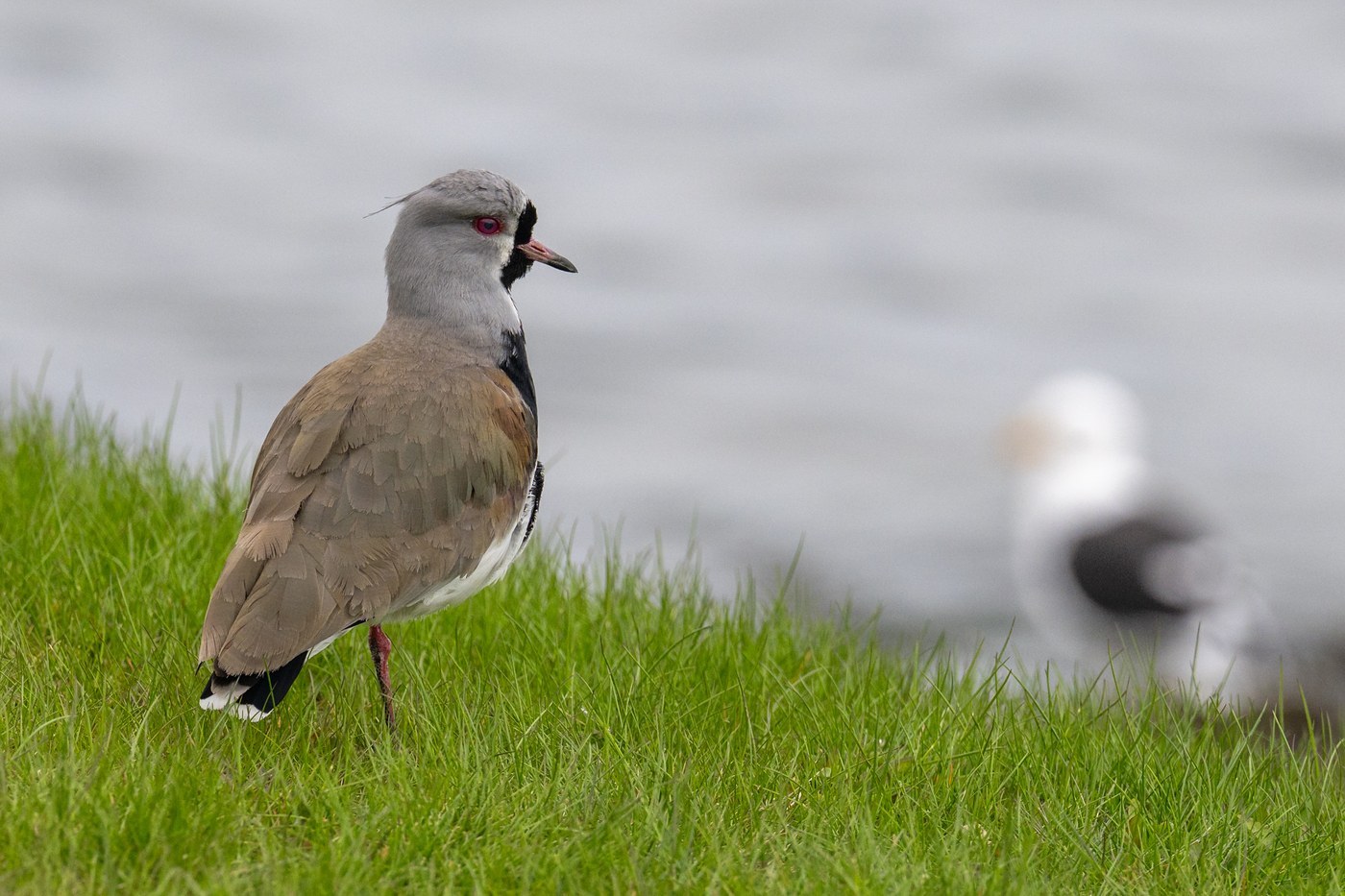
Southern Lapwing
Body, flight, and tail feathers

Jack Snipe
Body and flight feathers

Far Eastern Curlew
Body, flight, and tail feathers

Terek Sandpiper
Body and flight feathers

Wilson's Phalarope
Body and flight feathers
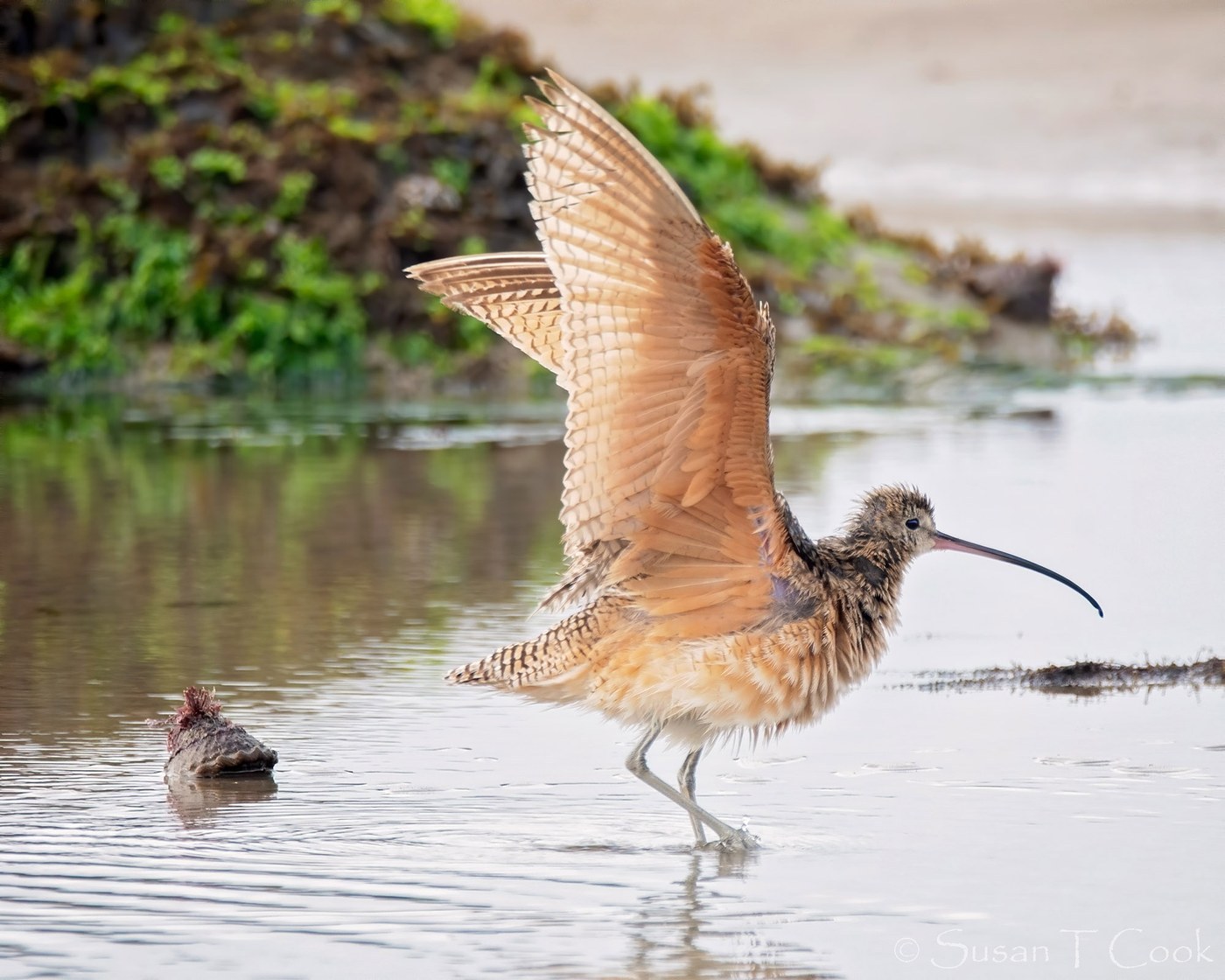
Long-billed Curlew
Body, flight, and tail feathers

Red Phalarope
Body and flight feathers

Eurasian Dotterel
Body feathers
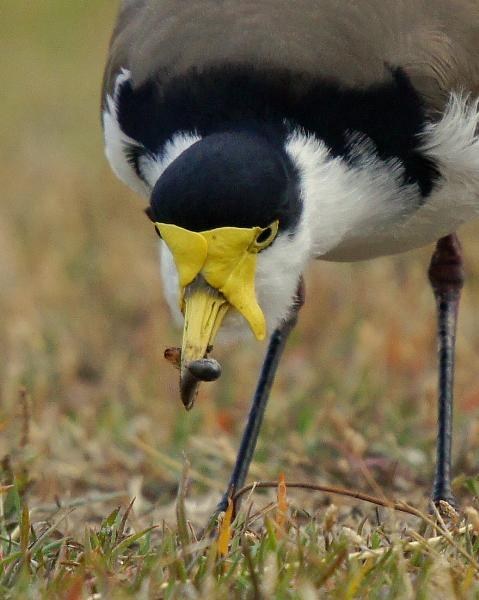
Masked Lapwing
Body, flight, and tail feathers
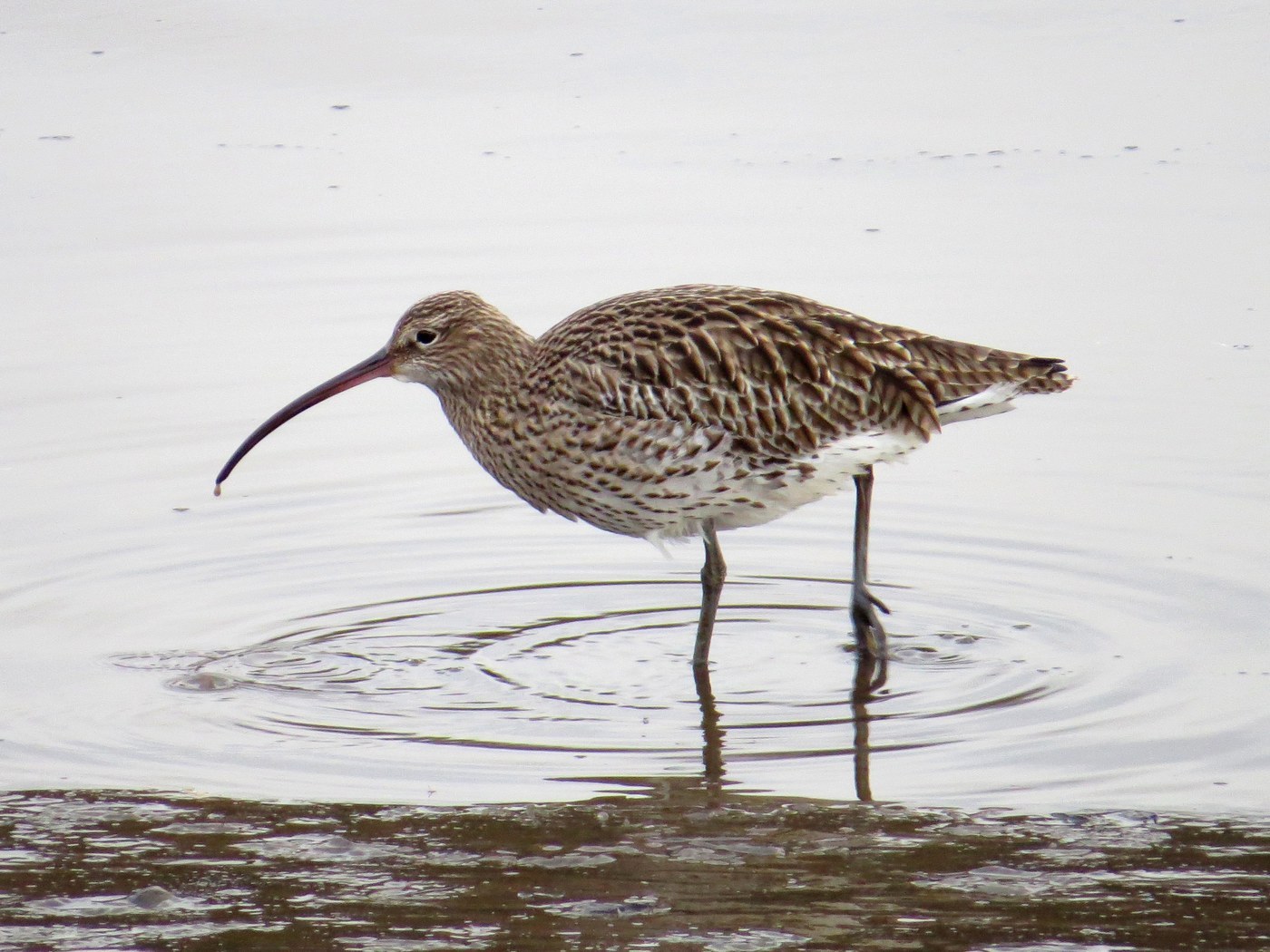
Eurasian Curlew
Body, flight, and tail feathers
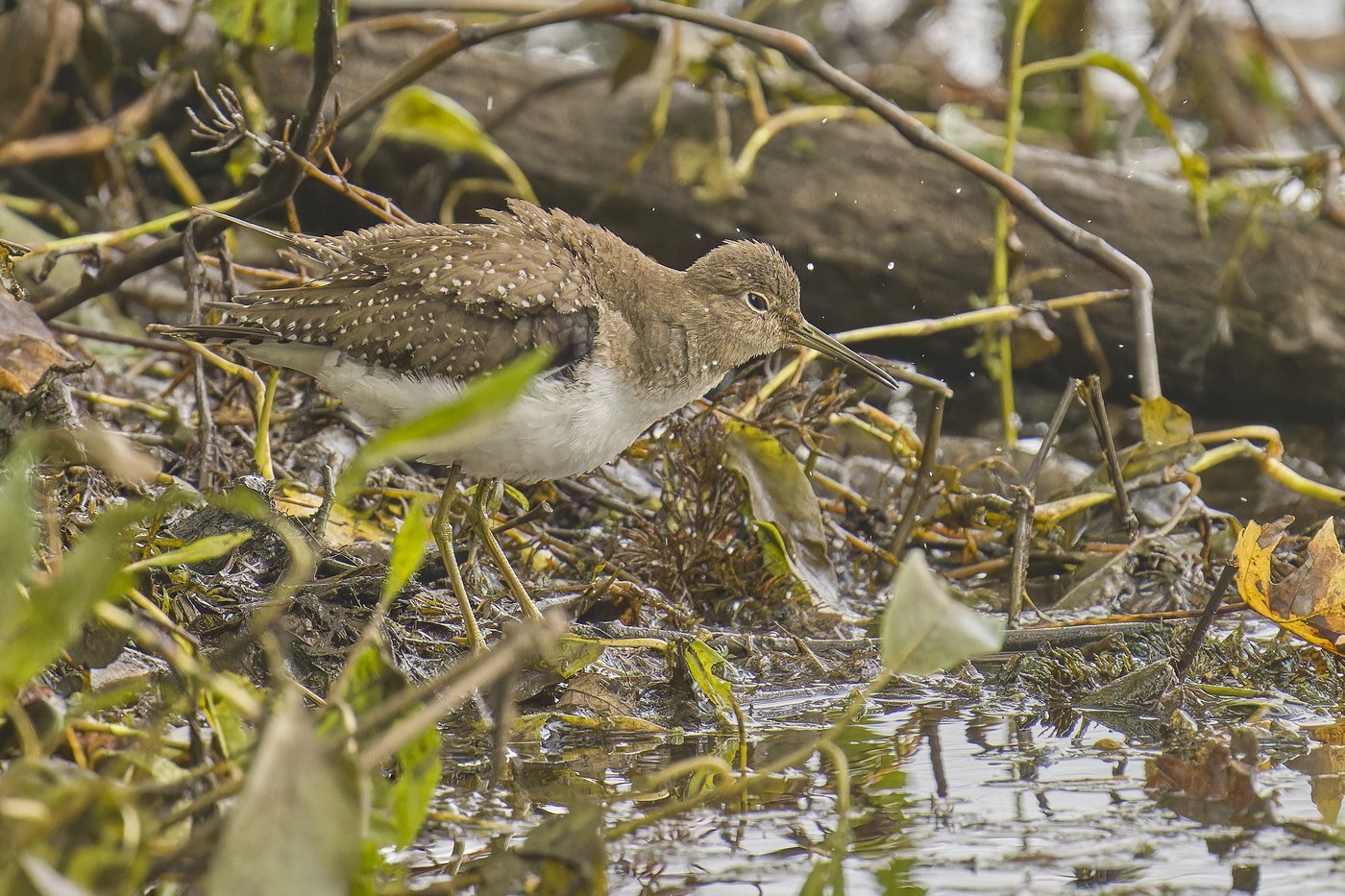
Solitary Sandpiper
Contour and flight feathers

Piping Plover
Small, pale, compact body feathers and short flight feathers typical of a beach-nesting plover