
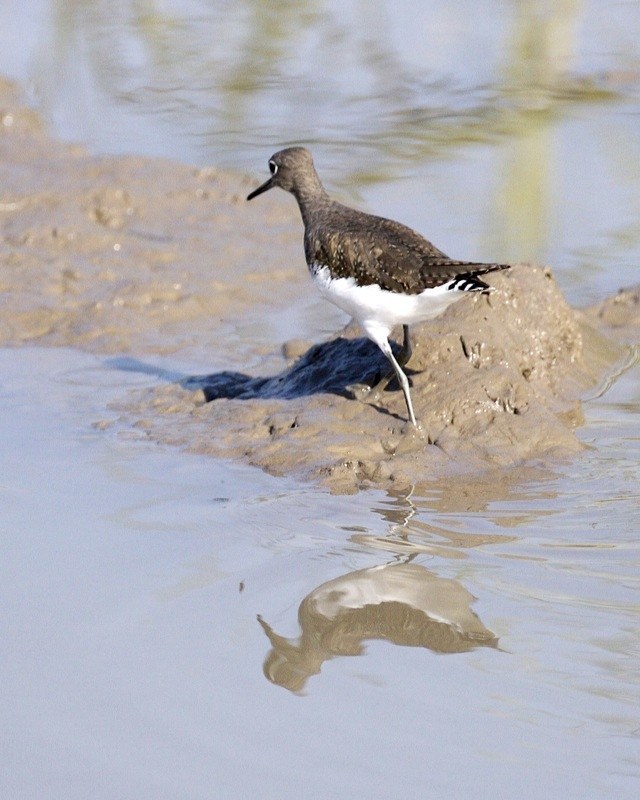
Green Sandpiper
Tringa ochropus
A dark, almost blackish sandpiper with a contrasting white rump and blackish underwing, often flushed abruptly from small secluded pools.
- Feather type
- Contour and flight feathers
- Colours
- Dark blackish-brown with sparse white spotting
- Bird size
- Small to medium sandpiper, ~21-24 cm
Found a feather like this?
Identify any feather from a photo, free.
Overview
Overview
The Green Sandpiper is a compact, dark-backed shorebird that appears almost blackish-brown above with only sparse fine white spotting, giving a much darker impression than the closely related Wood Sandpiper. A bright white rump contrasts sharply with the dark back and is especially noticeable in flight, along with a dark underwing. It favors small, often secluded freshwater habitats, frequently flushing abruptly with a sharp call.
Widespread across Europe and Asia, it winters in milder regions to the south, favoring similar quiet freshwater settings.
Identifying the Feather
Feather Identification
- Upperparts: Dark blackish-brown to olive-brown feathers with only sparse, fine white spotting, giving a much darker and plainer look compared to the Wood Sandpiper.
- Rump: Bright white rump patch contrasting sharply against the dark back and tail, prominent in flight.
- Underwing: Dark, blackish underwing visible when flushed, a shared feature with the Solitary Sandpiper of North America.
- Legs: Short, greenish-gray legs, shorter than the yellowish-green legs of the Wood Sandpiper.
- Compared to similar species: The darker, more sparsely spotted upperparts and contrasting white rump distinguish it from the more evenly spotted Wood Sandpiper.
Plumage & Molt
Plumage Notes
Breeding and non-breeding plumages are fairly similar, both showing dark, sparsely spotted upperparts, though breeding birds may show slightly crisper white spotting on the back. Sexes look alike. Juveniles show buffier, warmer-toned spotting on the upperparts compared to the whiter spotting of adults.
Habitat & Range
Habitat & Range
Green Sandpipers breed across northern Europe and Asia, often nesting in old tree nests of other bird species in forested wetland habitat, an unusual trait shared with the American Solitary Sandpiper. They winter across southern Europe, Africa, and southern Asia, favoring small, quiet freshwater sites such as ditches, wooded pools, and narrow streams.
Behavior & Field Notes
Behavior & Field Notes
This species forages by picking small invertebrates from shallow water and muddy edges, often alone or in small loose groups at secluded freshwater sites. When flushed, it typically rises steeply with a sharp, ringing "tluit-witt-witt" call, towering upward before flying off, a distinctive behavior. Nesting in old tree nests of other species, rather than on the ground, is a notable trait shared with few other shorebirds.
Frequently asked questions
What color are Green Sandpiper feathers?
Dark blackish-brown upperparts with sparse fine white spotting, a bright white rump, and a dark underwing.
How is the Green Sandpiper different from the Wood Sandpiper?
The Green Sandpiper is darker overall with sparser spotting and a more contrasting white rump, while the Wood Sandpiper is more evenly and finely spotted with a more prominent pale eyebrow.
Why does the Green Sandpiper nest in trees?
It often uses old nests built by other bird species in trees, an unusual nesting behavior for a shorebird, shared with the North American Solitary Sandpiper.
Where would I find a Green Sandpiper feather?
Around ditches, wooded pools, and narrow streams across its range in Europe, Africa, and Asia.
Green Sandpiper guides
In-depth guides for identifying and understanding Green Sandpiper.
Other feathers you may enjoy
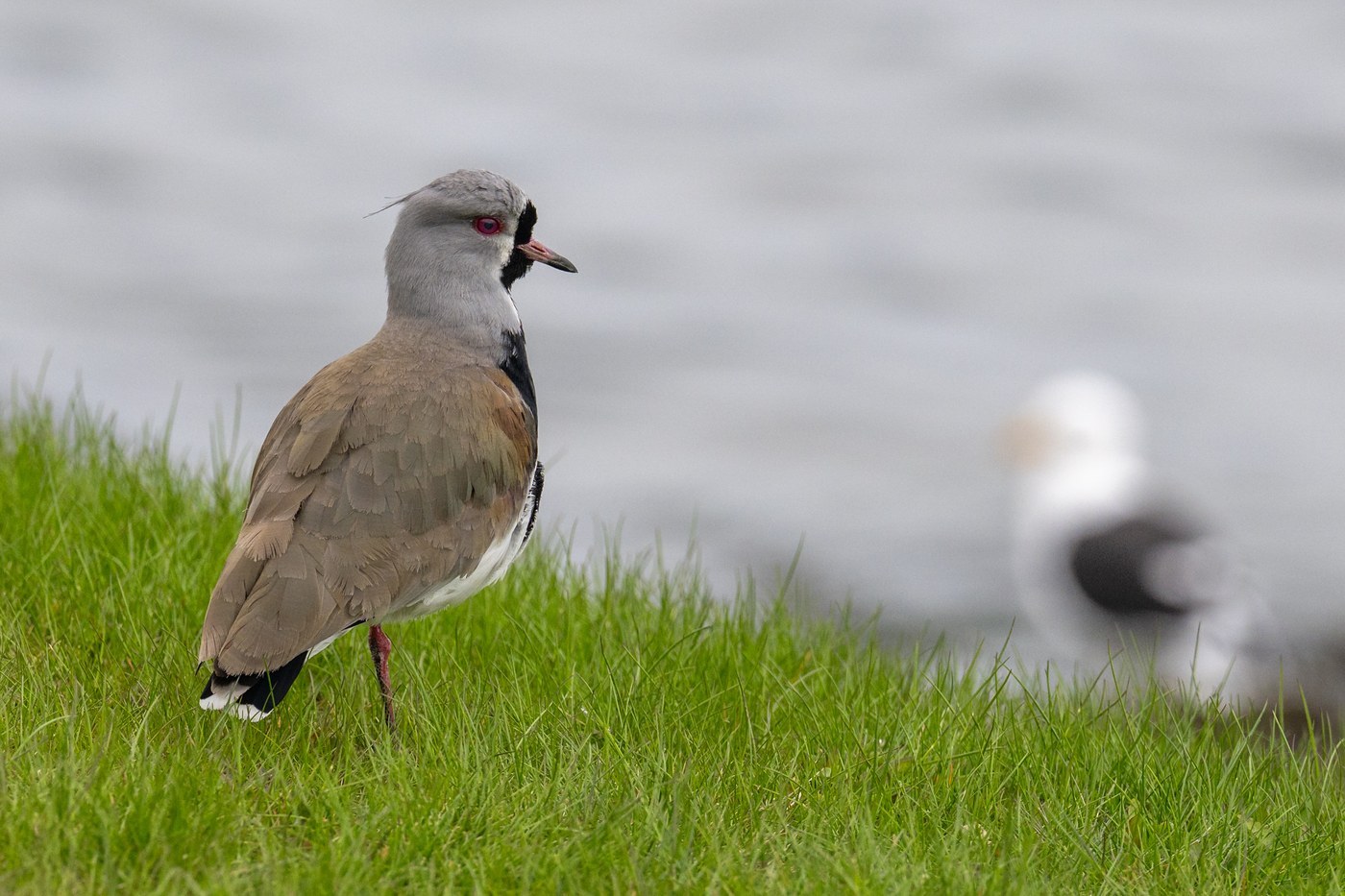
Southern Lapwing
Body, flight, and tail feathers

Jack Snipe
Body and flight feathers

Far Eastern Curlew
Body, flight, and tail feathers

Terek Sandpiper
Body and flight feathers

Wilson's Phalarope
Body and flight feathers
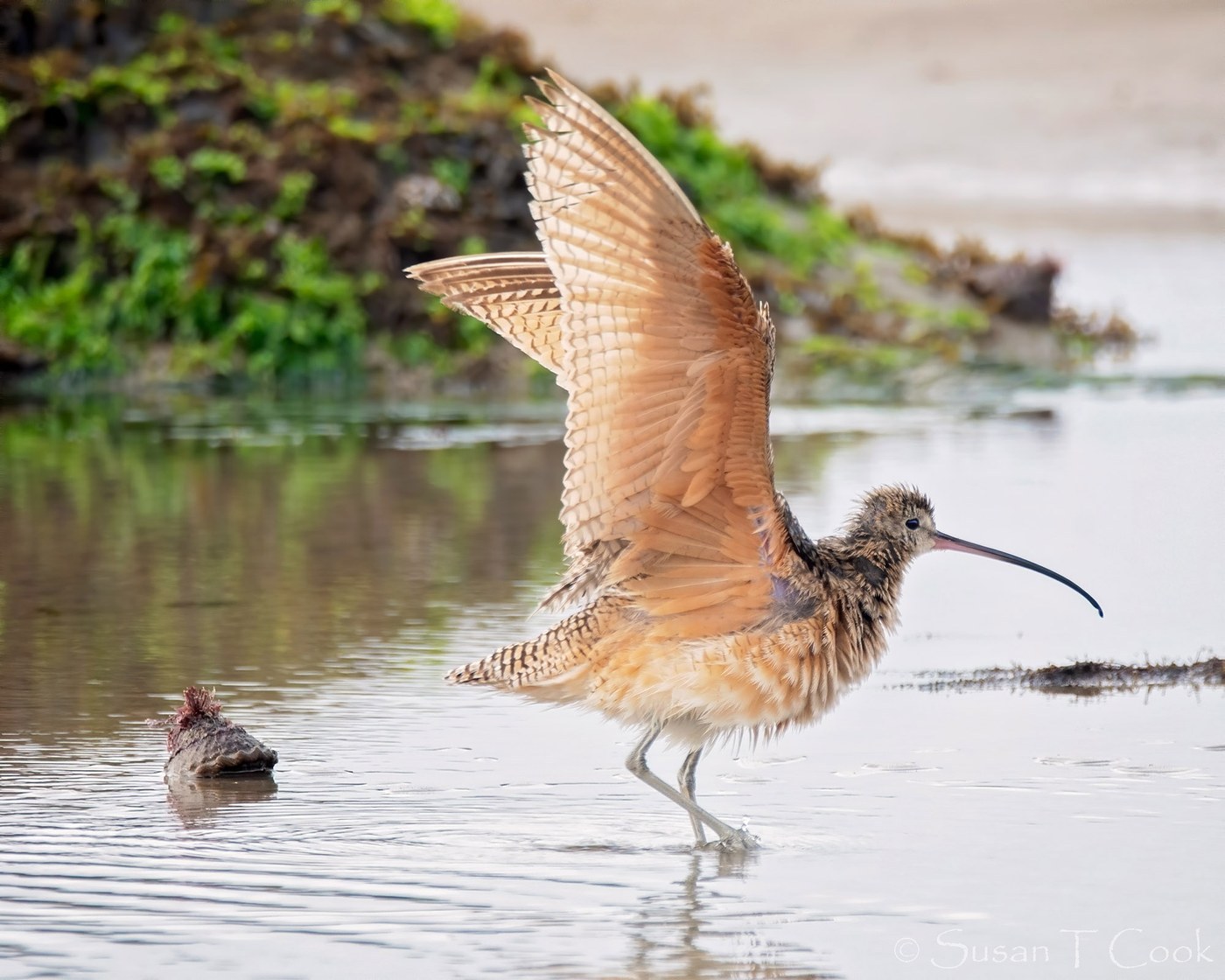
Long-billed Curlew
Body, flight, and tail feathers

Upland Sandpiper
Body, flight, and tail feathers

Red Phalarope
Body and flight feathers

Eurasian Dotterel
Body feathers
Masked Lapwing
Body, flight, and tail feathers
Eurasian Curlew
Body, flight, and tail feathers
Solitary Sandpiper
Contour and flight feathers