

Killdeer
Charadrius vociferus
A loud, boldly patterned plover of open ground across North America, easily told by its double black breast bands and bright orange-buff rump revealed in flight.
- Feather type
- Compact, pointed flight feathers and dense body feathers typical of plovers
- Colours
- Brown upperparts, white underparts, double black breast bands, and a bright orange-buff rump
- Bird size
- Largest ringed plover, ~24-27 cm
Found a feather like this?
Identify any feather from a photo, free.
Overview
The Killdeer is one of the most familiar and widespread plovers in North America, notable for thriving in a wide range of open habitats far from water, including farm fields, gravel parking lots, golf courses, and lawns, in addition to typical shoreline habitat. It is named for its loud, piercing "kill-deer" call, frequently given in flight or when alarmed.
Its plumage features two black bands across an otherwise white breast, a pattern unique among North American plovers, which normally show only a single band. In flight, a bright orange-buff rump and tail base become visible, adding a splash of color to an otherwise brown-and-white bird.
The Killdeer is also well known for its distraction display, feigning a broken wing to lure predators away from its nest, a behavior that often draws attention to the bird well before its feathers are examined up close.
Identifying the Feather
Shape and Size
Flight feathers are relatively long and pointed for a plover, reflecting the species' larger size and often more sustained flight compared to smaller Charadrius plovers. Body feathers are dense and compact.
Color and Pattern
- Upperparts are plain brown, unmarked except for narrow pale feather edges.
- Underparts are white, crossed by two black bands, one across the upper breast and one lower down, a double-banded pattern unique among regularly encountered North American plovers.
- The rump and uppertail coverts are bright orange-buff, conspicuous in flight but concealed at rest.
- Flight feathers show a white wing stripe formed by white bases to the primaries and secondaries.
Shaft and Vane
Shafts are pale on white underpart feathers and darker brown on upperpart feathers. The orange-buff rump feathers have a warm-toned shaft consistent with their color.
Distinguishing from Similar Species
The double black breast band is the single most reliable feature separating Killdeer from every other regularly occurring ringed plover, all of which show only one band; the bright orange-buff rump, visible mainly in flight or on flank/rump feathers, is a strong secondary confirmation.
Plumage & Molt
Adults show brown upperparts, white underparts crossed by two black breast bands, a brown-and-white facial pattern, and a bright orange-buff rump and tail base visible in flight. Sexes look alike. Juveniles show a single, often incomplete breast band initially, developing the full double-banded adult pattern within their first months. Molt occurs mainly after breeding, with a partial pre-breeding molt refreshing body feathers in late winter to early spring.
Habitat & Range
The Killdeer breeds across most of North America, from southern Canada through the United States into Mexico, and winters from the southern United States through Central America and into northern South America. It occupies an unusually broad range of open habitats, including farm fields, gravel areas, lawns, and shorelines, and is only loosely tied to standing water. Northern populations are migratory, while southern populations are largely resident.
Behavior & Field Notes
Killdeer forage by running and pausing on open ground, taking insects and other invertebrates from soil, grass, and gravel surfaces rather than relying primarily on mudflats. They are highly vocal, giving a loud, repeated "kill-deer" call that carries over open ground. When a nest or chicks are threatened, adults perform a conspicuous broken-wing distraction display, dragging a wing while calling to lure predators away. Nests are simple scrapes on bare or sparsely vegetated ground, often in surprisingly exposed locations like gravel driveways or rooftops. For feather finders, a brown-and-white body feather from open fields, lawns, or gravel areas, especially combined with a bright orange-buff rump feather, is a strong indicator of this species.
Frequently asked questions
What is the easiest way to identify a Killdeer feather?
Look for the double black breast band pattern, unique among commonly encountered North American plovers, and a bright orange-buff rump visible on flight or rump feathers.
Do Killdeer only live near water?
No, they are unusually adaptable and commonly forage on farm fields, gravel lots, lawns, and other open ground far from standing water.
Why is this species called Killdeer?
Its name comes from its loud, piercing call, which sounds like a repeated "kill-deer" and is frequently given in flight or alarm.
What is the broken-wing display?
It is a distraction behavior in which an adult drags a wing as if injured to lure predators away from its nest or chicks, though it does not directly affect feather appearance.
Killdeer guides
In-depth guides for identifying and understanding Killdeer.

Other feathers you may enjoy
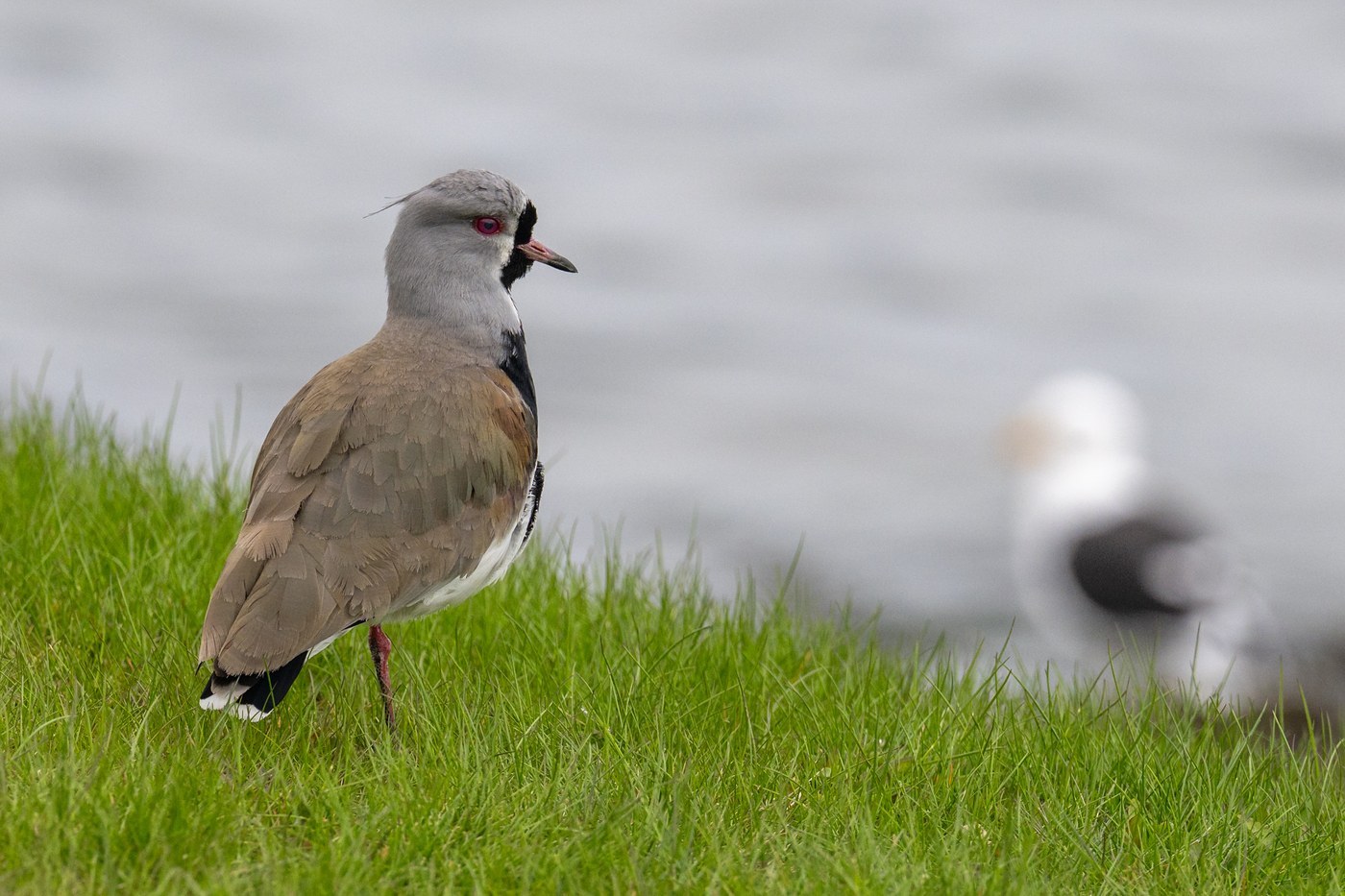
Southern Lapwing
Body, flight, and tail feathers

Jack Snipe
Body and flight feathers

Far Eastern Curlew
Body, flight, and tail feathers

Terek Sandpiper
Body and flight feathers

Wilson's Phalarope
Body and flight feathers
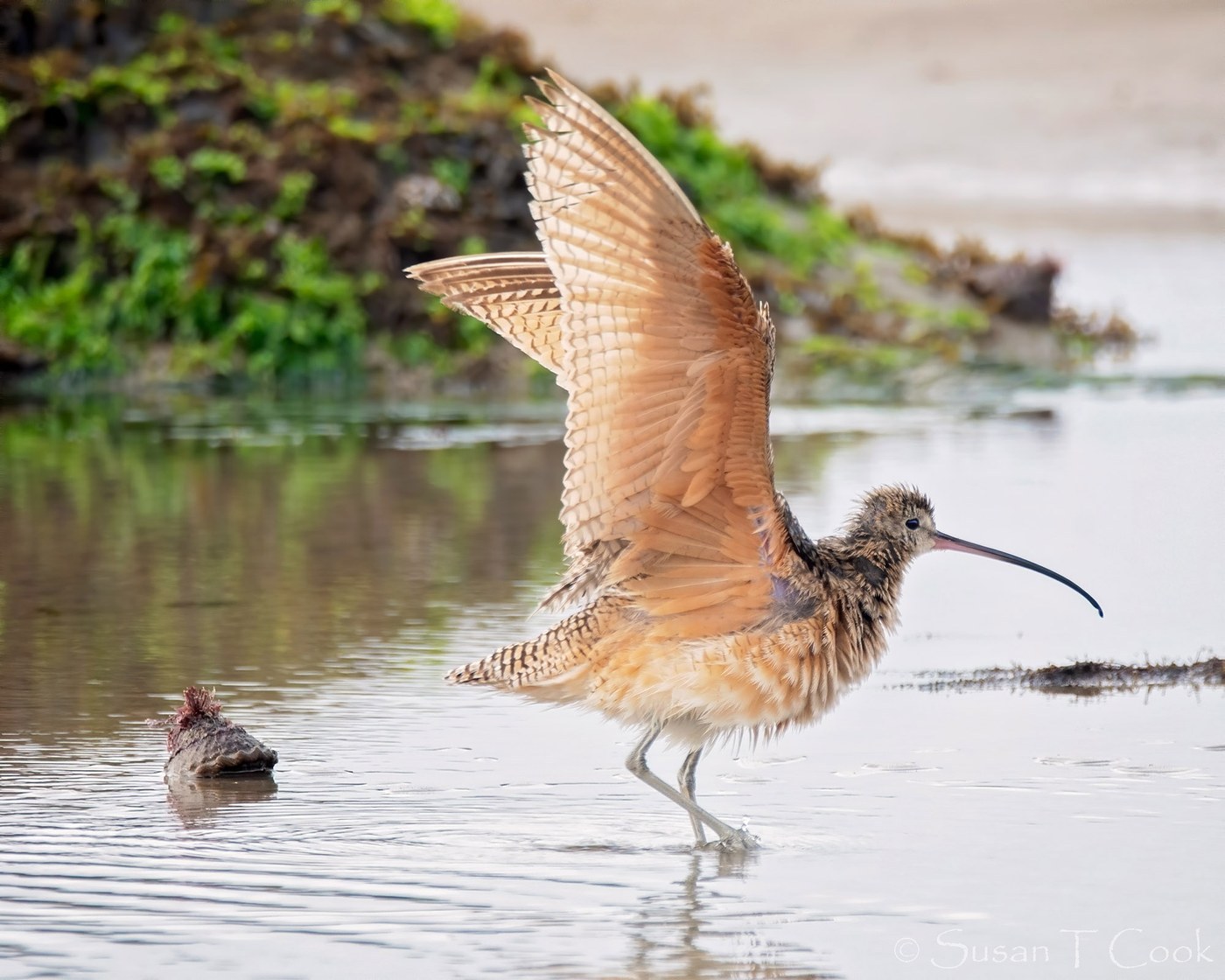
Long-billed Curlew
Body, flight, and tail feathers

Upland Sandpiper
Body, flight, and tail feathers

Red Phalarope
Body and flight feathers

Eurasian Dotterel
Body feathers
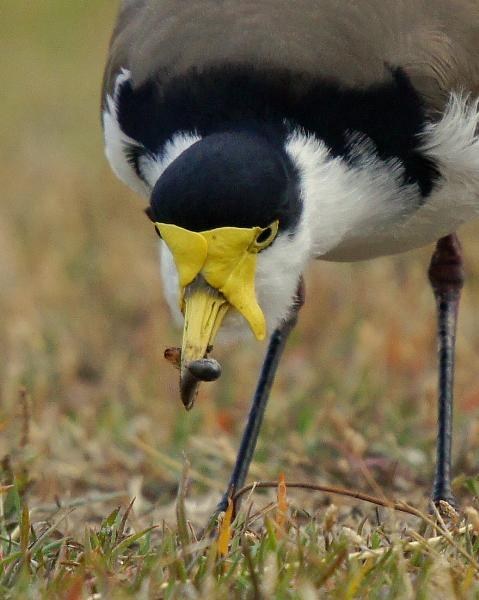
Masked Lapwing
Body, flight, and tail feathers
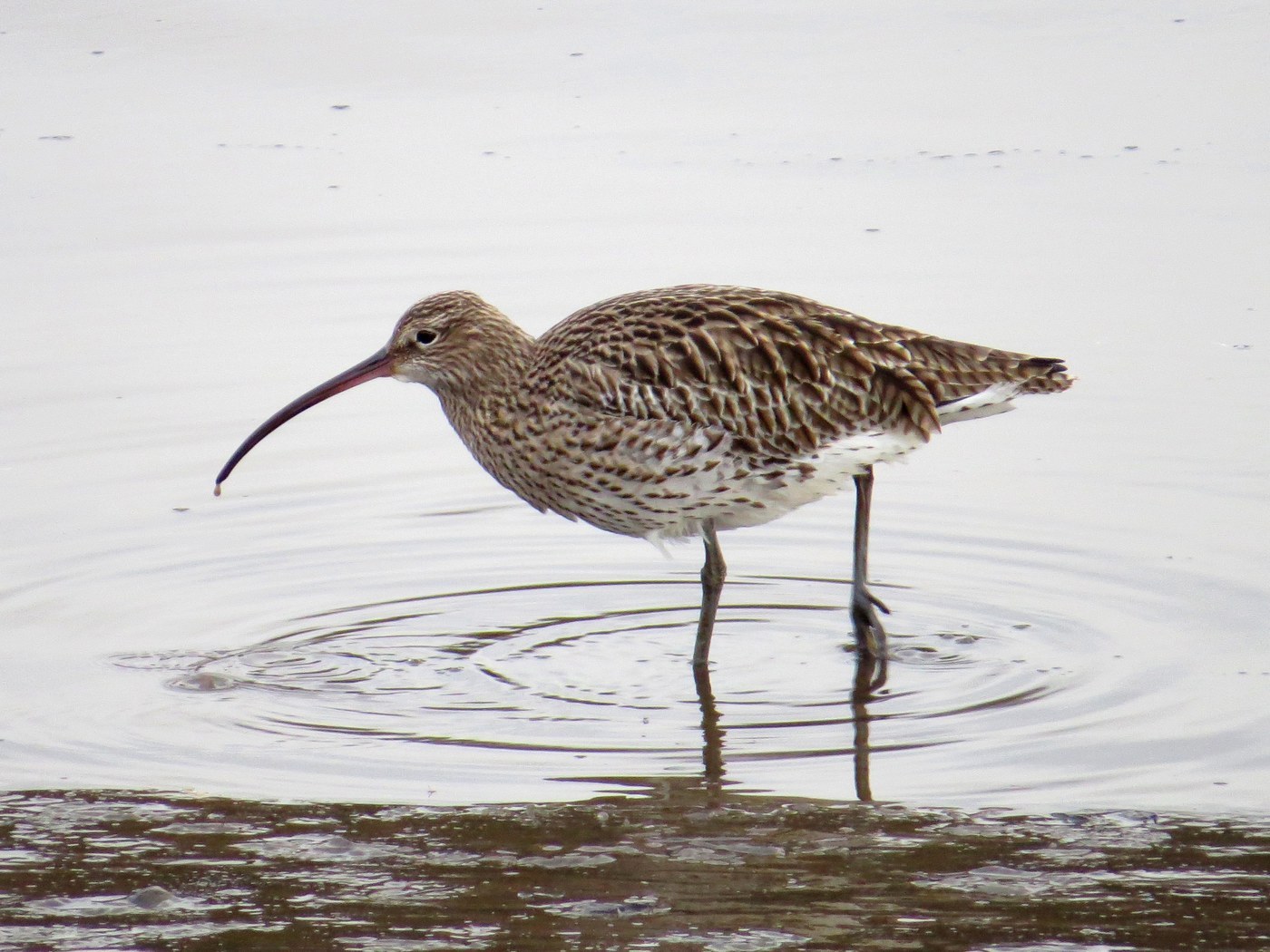
Eurasian Curlew
Body, flight, and tail feathers
Solitary Sandpiper
Contour and flight feathers