

Chestnut-eared Aracari
Pteroglossus castanotis
A toucan relative of South American forests, with a huge cream-and-black bill, a chestnut patch behind the eye, and yellow underparts crossed by a bold red-and-black band.
- Feather type
- Dense, glossy body contour feathers; large multicolored bill (not feather but key ID feature)
- Colours
- Black head and upperparts, chestnut ear patch, yellow underparts with a red-black band
- Bird size
- Medium toucan relative, ~48-53 cm including bill
Found a feather like this?
Identify any feather from a photo, free.
Overview
The Chestnut-eared Aracari is a medium-sized member of the toucan family found in lowland and gallery forest across South America, instantly recognizable by its oversized, boldly patterned bill and the warm chestnut patch behind the eye that gives the species its name.
Like other aracaris, it is a social bird, typically moving through the forest canopy in small noisy groups and roosting communally, often with several individuals packed into a single tree cavity at night.
Identifying the Feather
- Head is mostly black with a distinctive chestnut patch covering the ear coverts and extending onto the nape
- Upperparts are glossy black to dark green, with a red rump patch
- Underparts are bright yellow, crossed by a broad black band and a narrower red band across the breast
- Bill is large, mostly pale cream to yellowish with a black tip and a dark culmen ridge, a defining feature of the species even though it is not feathered
- Tail is long and dark, sometimes with a reddish tip
- Distinguished from other aracaris by the chestnut ear patch combined with the specific bill color pattern
Plumage & Molt
Adults of both sexes show similar plumage, with the black head, chestnut ear patch, and yellow underparts crossed by red and black bands present year-round. Juveniles are duller overall, with a less defined chestnut ear patch and a shorter, less vividly patterned bill that develops full coloration with maturity. There is no marked seasonal plumage change in adults.
Habitat & Range
This species inhabits lowland tropical forest, gallery forest, and forest edge habitats across much of South America, including the Amazon basin and adjacent regions. It is largely resident, moving locally within forest habitat in search of fruiting trees rather than undertaking long migrations.
Behavior & Field Notes
Chestnut-eared Aracaris feed mainly on fruit, supplemented with insects and occasionally the eggs or nestlings of other birds, foraging in small social groups through the canopy. They nest in tree cavities, often old woodpecker holes, and roost communally with several birds sharing a single cavity. Calls are sharp, repeated chirping or squeaking notes, often given as groups move noisily through the forest.
Frequently asked questions
What does a Chestnut-eared Aracari feather look like?
Head feathers are black with a chestnut patch on the ear coverts and nape, upperparts are glossy black to dark green, and underparts are bright yellow crossed by red and black bands.
What is distinctive about the Chestnut-eared Aracari's bill?
It has a large, mostly cream-to-yellowish bill with a black tip and dark ridge, though the bill itself is not feathered, it is a key identification feature alongside the plumage.
Where does the Chestnut-eared Aracari live?
It is found in lowland and gallery forest across much of South America, including the Amazon basin.
Do Chestnut-eared Aracaris live in groups?
Yes, they are social birds that forage in small groups and often roost communally, with several individuals sharing a single tree cavity at night.
Chestnut-eared Aracari guides
In-depth guides for identifying and understanding Chestnut-eared Aracari.

Other feathers you may enjoy

Common Cuckoo
Flight and body feathers
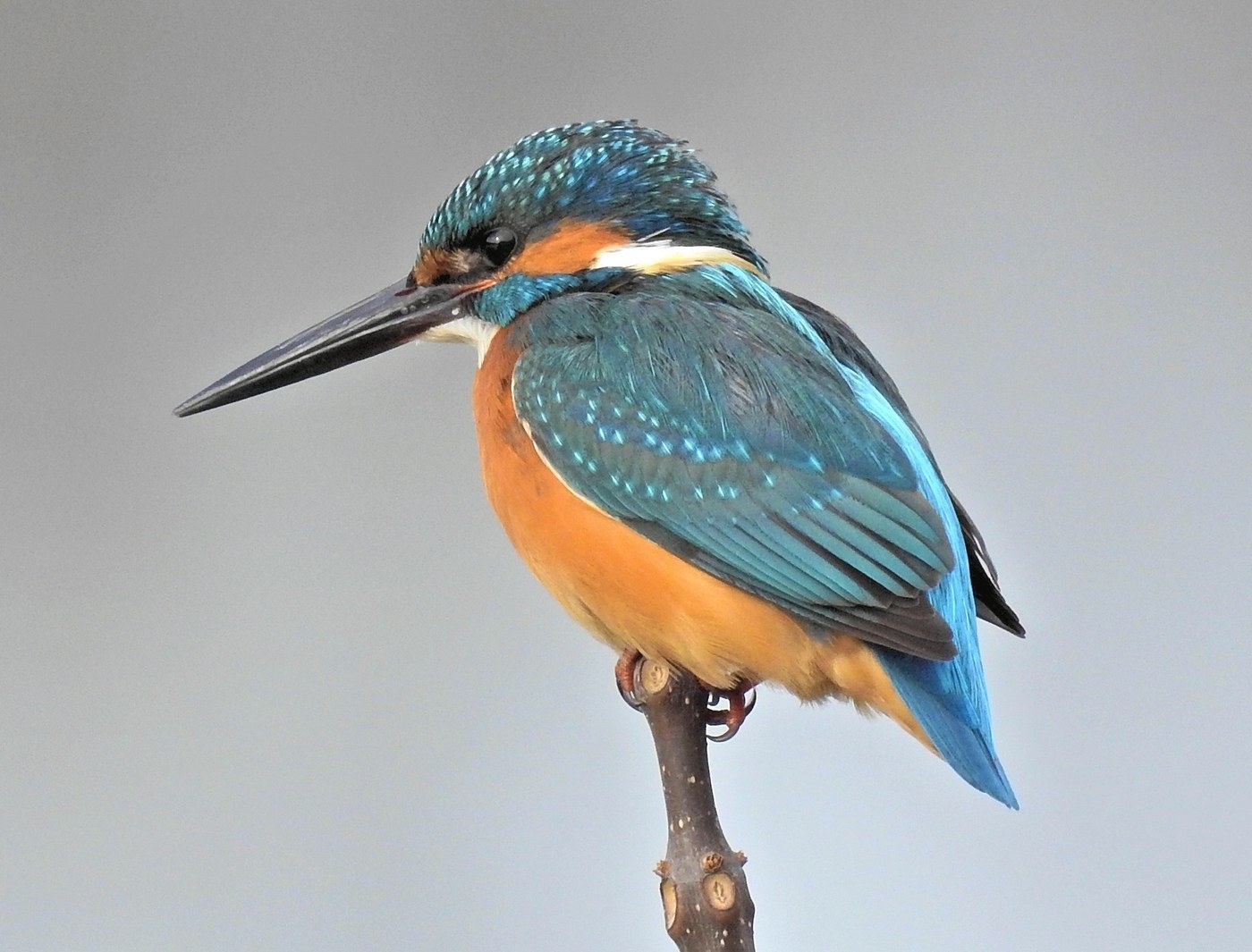
Common Kingfisher
Body (contour) and wing feathers
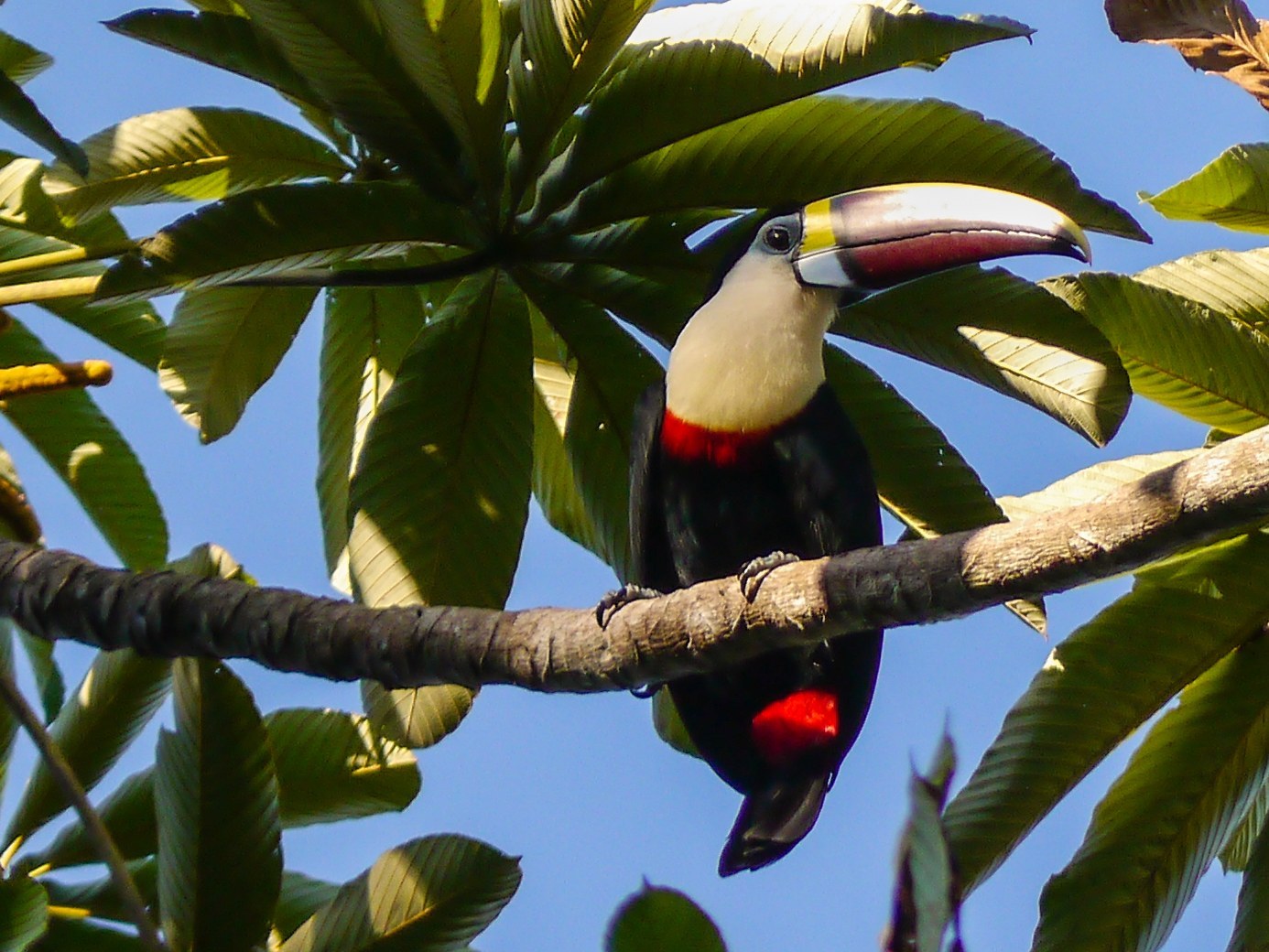
White-throated Toucan
Short rounded contour feathers, short broad wings
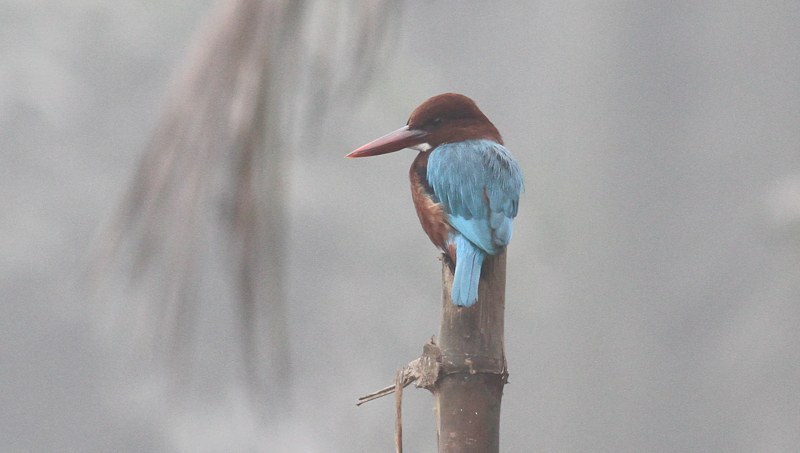
White-throated Kingfisher
Dense contour feathers; broad rounded wings

White-throated Bee-eater
Sleek, aerodynamic contour feathers; elongated central tail streamers
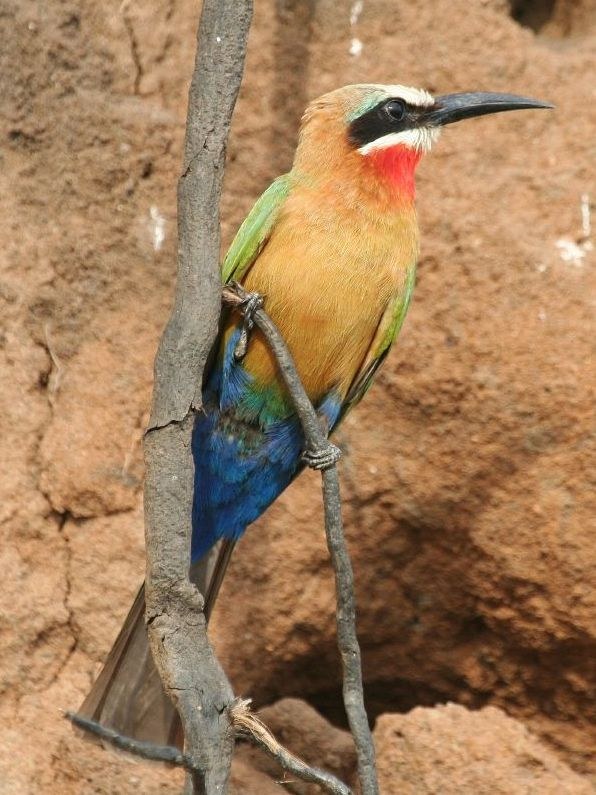
White-fronted Bee-eater
Sleek contour feathers; short tail with slight point

Southern Yellow-billed Hornbill
Slender contour feathers, moderate flight feathers
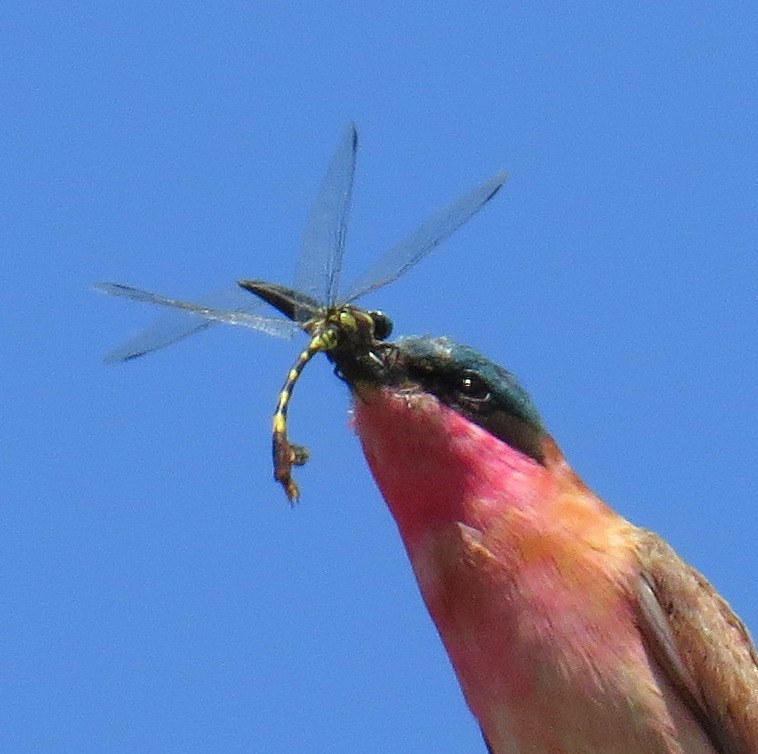
Southern Carmine Bee-eater
Sleek, pointed contour feathers; elongated central tail streamers
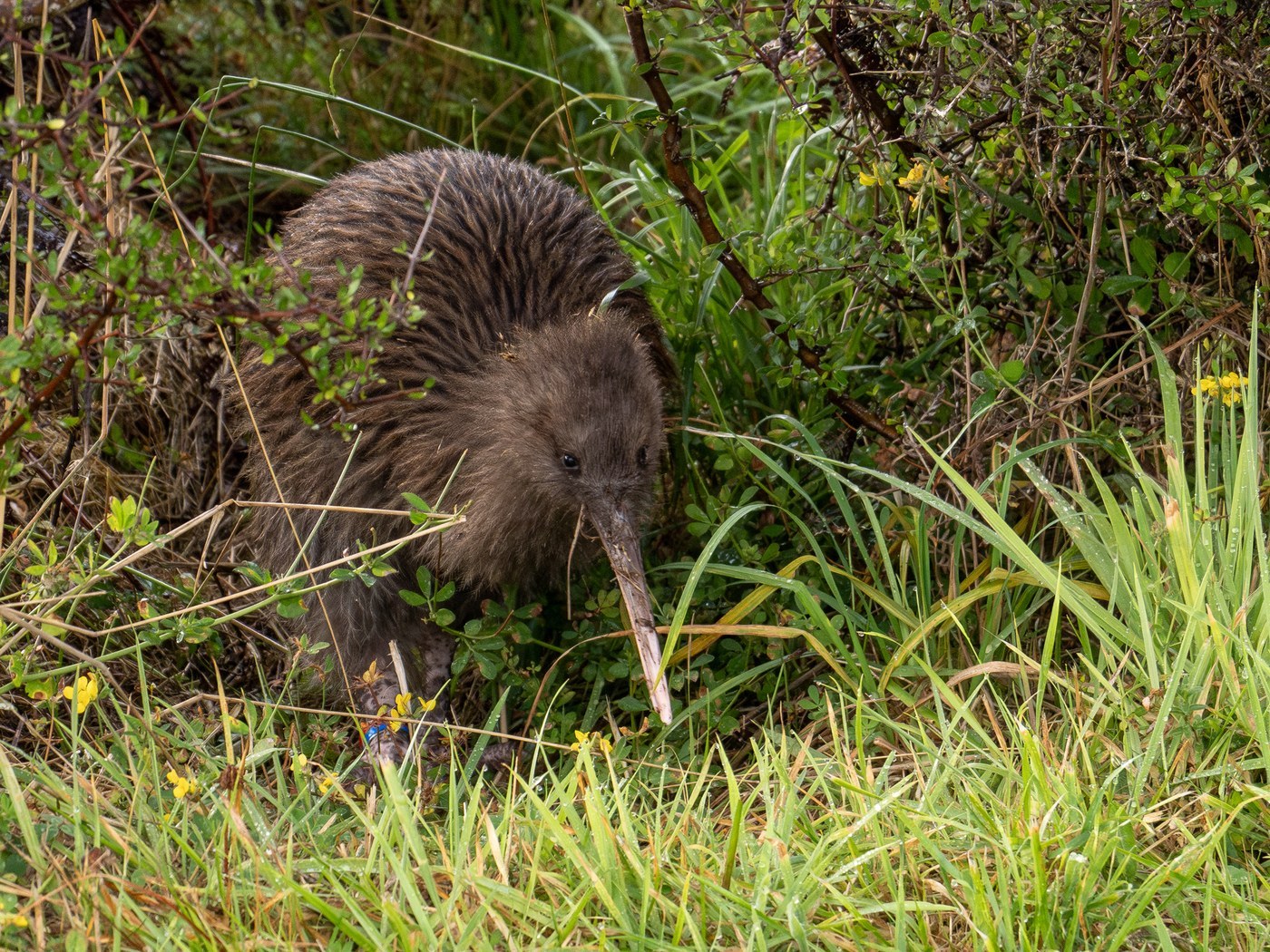
Southern Brown Kiwi
Shaggy, hair-like plumage with loose barbs lacking barbules; flightless, vestigial wings hidden beneath body feathers

Somali Ostrich
Loose, soft plumes lacking interlocking barbules

Wreathed Hornbill
Dense contour feathers, broad flight feathers

Woodland Kingfisher
Firm contour feathers; broad wing feathers