

Common Cuckoo
Cuculus canorus
A slim, hawk-mimicking bird whose barred underparts and pointed wings closely resemble a small sparrowhawk, an example of remarkable plumage convergence in nature.
- Feather type
- Flight and body feathers
- Colours
- Blue-grey upperparts with barred, hawk-like underparts; some females show a rufous barred morph
- Bird size
- Medium-sized, ~32-34 cm, similar to a small hawk
Found a feather like this?
Identify any feather from a photo, free.
Overview
The Common Cuckoo is best known for its far-carrying two-note call and its brood-parasitic breeding strategy, laying eggs in the nests of other, smaller songbirds. Its plumage closely mimics that of small hawks, which may help reduce mobbing by host species while it searches for nests.
Identifying the Feather
Common Cuckoo flight feathers are long and pointed, giving a falcon- or hawk-like silhouette in flight, while the underparts are finely barred grey and white, closely resembling the barred underside of a sparrowhawk - a case of convergent plumage pattern rather than close relation. Upperparts are plain blue-grey in most adult males and many females, while a rarer rufous morph, found mainly in females, is barred rufous-brown and dark brown throughout instead of grey. The tail is long, graduated, and dark with small white spots or notches along the edges of the feathers, visible as a spotted fringe when the tail is fanned.
Plumage & Molt
Most males and many females show the grey morph described above; a rufous-barred morph occurs in some females and is less common. Juveniles are heavily barred rufous-brown above and below, often with a small pale patch on the nape, quite different from the more uniform grey adult. Adults undergo a complete molt, largely completed on the African wintering grounds rather than the breeding range.
Habitat & Range
Common Cuckoos occupy a very broad range of habitats including woodland, farmland, reedbeds, and heathland, wherever suitable host species are common. The species breeds across Europe and much of Asia and is a long-distance migrant, wintering in sub-Saharan Africa.
Behavior & Field Notes
The Common Cuckoo is a brood parasite, with females laying single eggs in the nests of small songbirds such as warblers, pipits, and wagtails, leaving the host species to raise the chick. The male's familiar two-note "cuck-oo" call is one of the most recognizable bird sounds in Europe, given from exposed perches in spring. The species itself builds no nest. Populations have declined in parts of its range.
Frequently asked questions
Why do Common Cuckoo feathers look like a hawk's?
The barred grey-and-white underparts closely resemble those of a sparrowhawk, a resemblance thought to help the cuckoo avoid being mobbed by potential host birds while searching for nests.
What is the rufous morph of the Common Cuckoo?
It is a less common plumage variant, mostly in females, with rufous-brown barring replacing the usual blue-grey upperparts.
How do juvenile Cuckoo feathers differ from adult feathers?
Juveniles are heavily barred rufous-brown above and below and often show a small pale patch on the nape, unlike the more uniform grey of typical adults.
Where would Common Cuckoo feathers likely be found?
Woodland edges, farmland, reedbeds, and heathland across its breeding range in Europe and Asia during spring and summer.
Common Cuckoo guides
In-depth guides for identifying and understanding Common Cuckoo.

Common Cuckoo identified by the community
Real feathers identified with Feather Identifier.


Other feathers you may enjoy
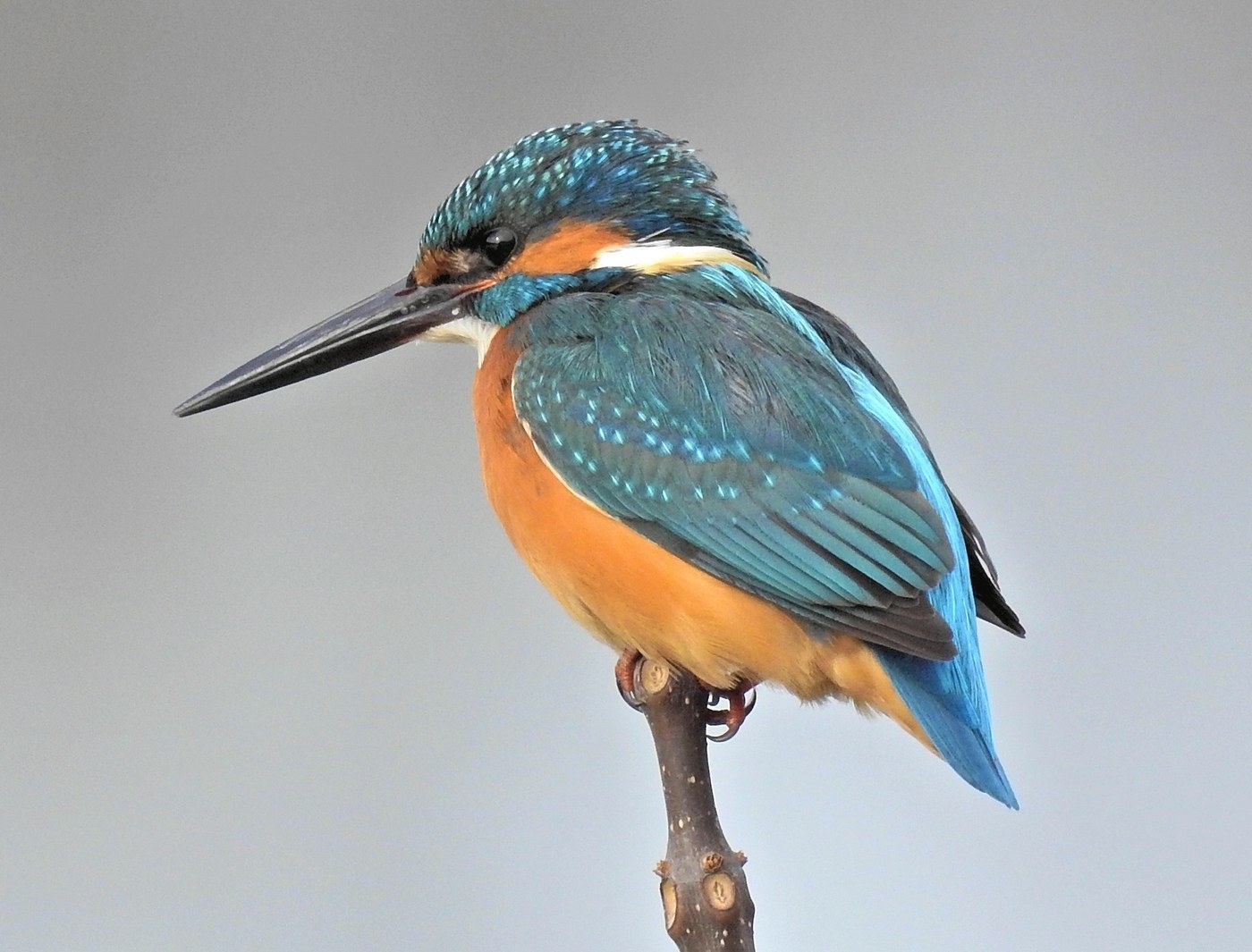
Common Kingfisher
Body (contour) and wing feathers
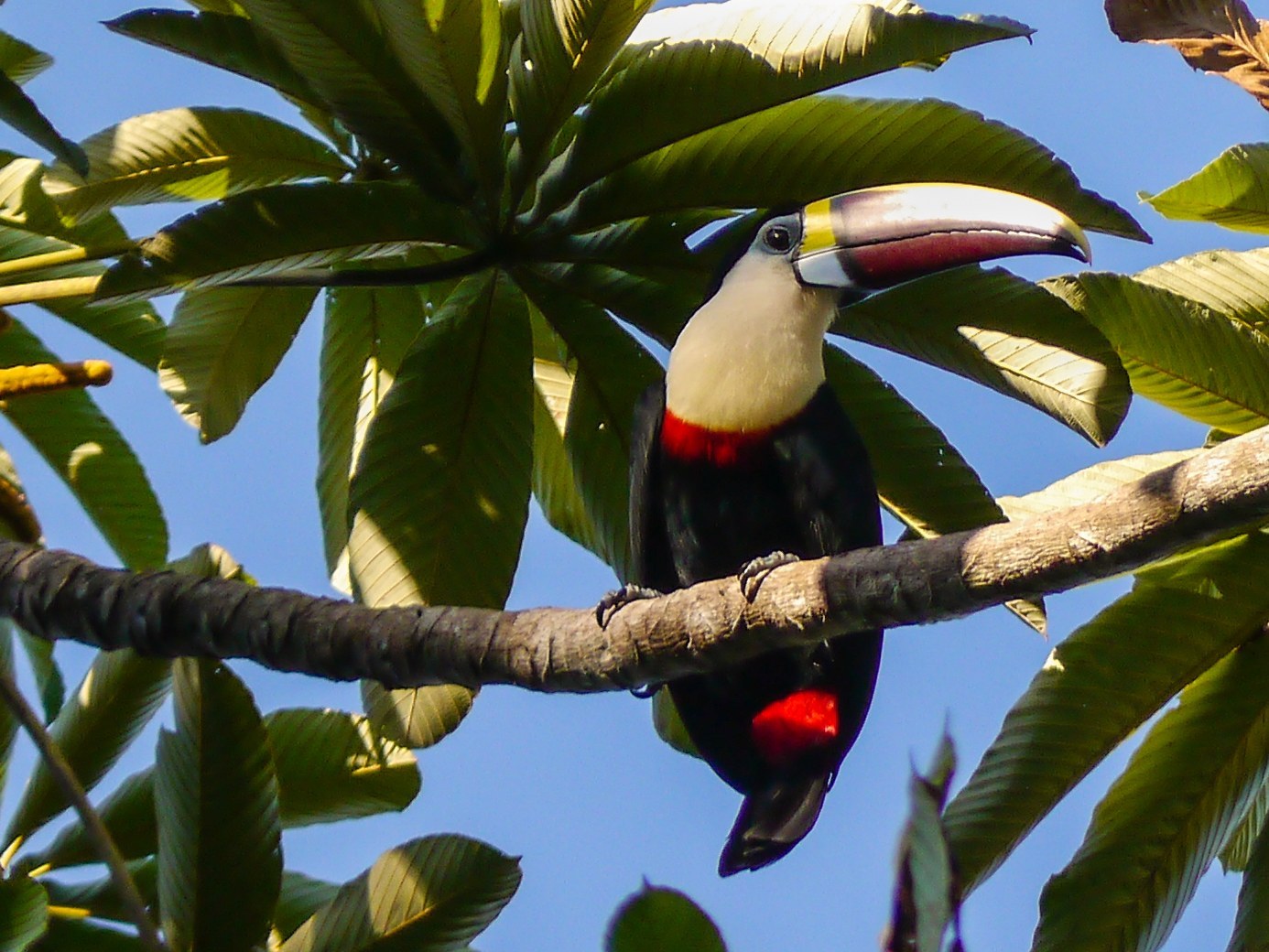
White-throated Toucan
Short rounded contour feathers, short broad wings
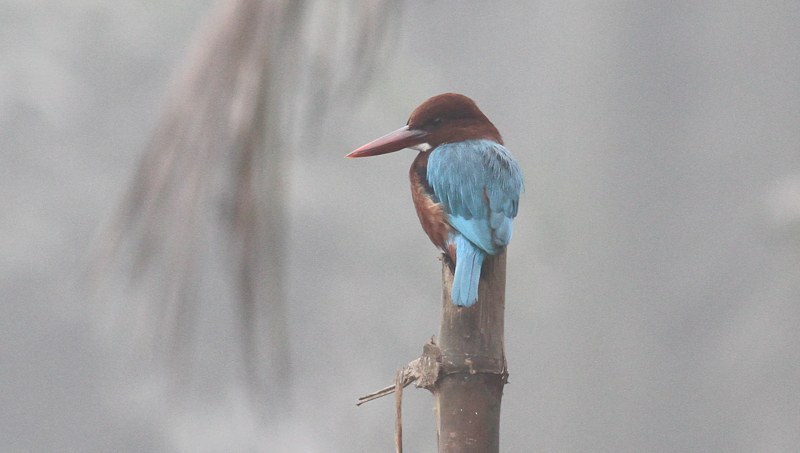
White-throated Kingfisher
Dense contour feathers; broad rounded wings

White-throated Bee-eater
Sleek, aerodynamic contour feathers; elongated central tail streamers
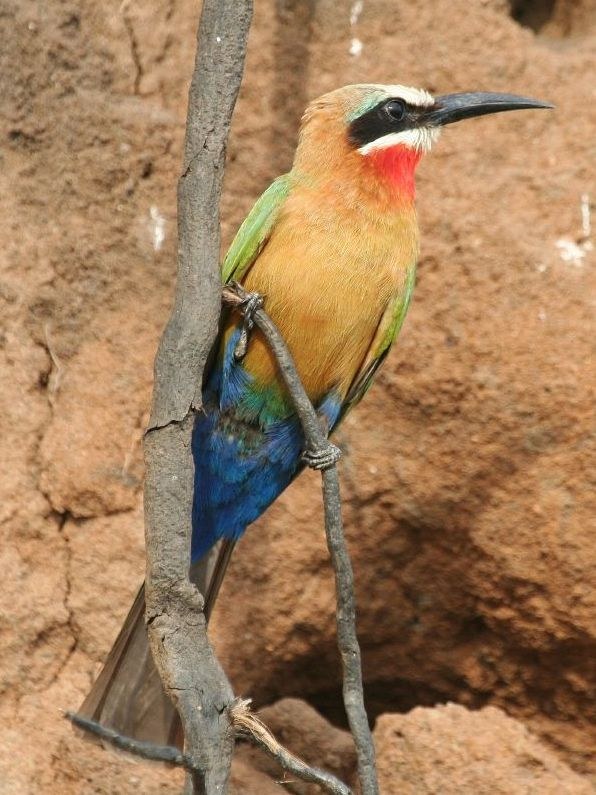
White-fronted Bee-eater
Sleek contour feathers; short tail with slight point

Southern Yellow-billed Hornbill
Slender contour feathers, moderate flight feathers
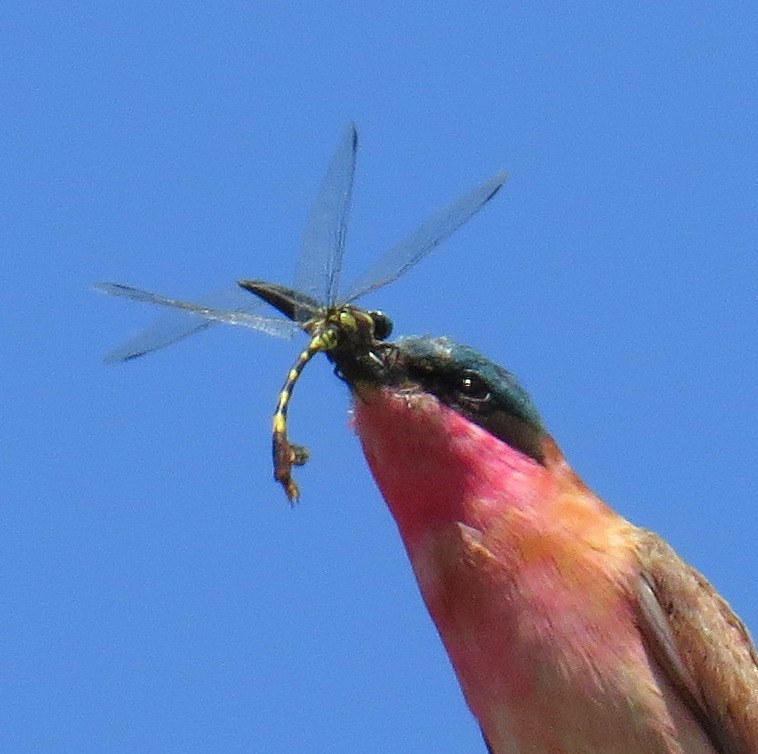
Southern Carmine Bee-eater
Sleek, pointed contour feathers; elongated central tail streamers
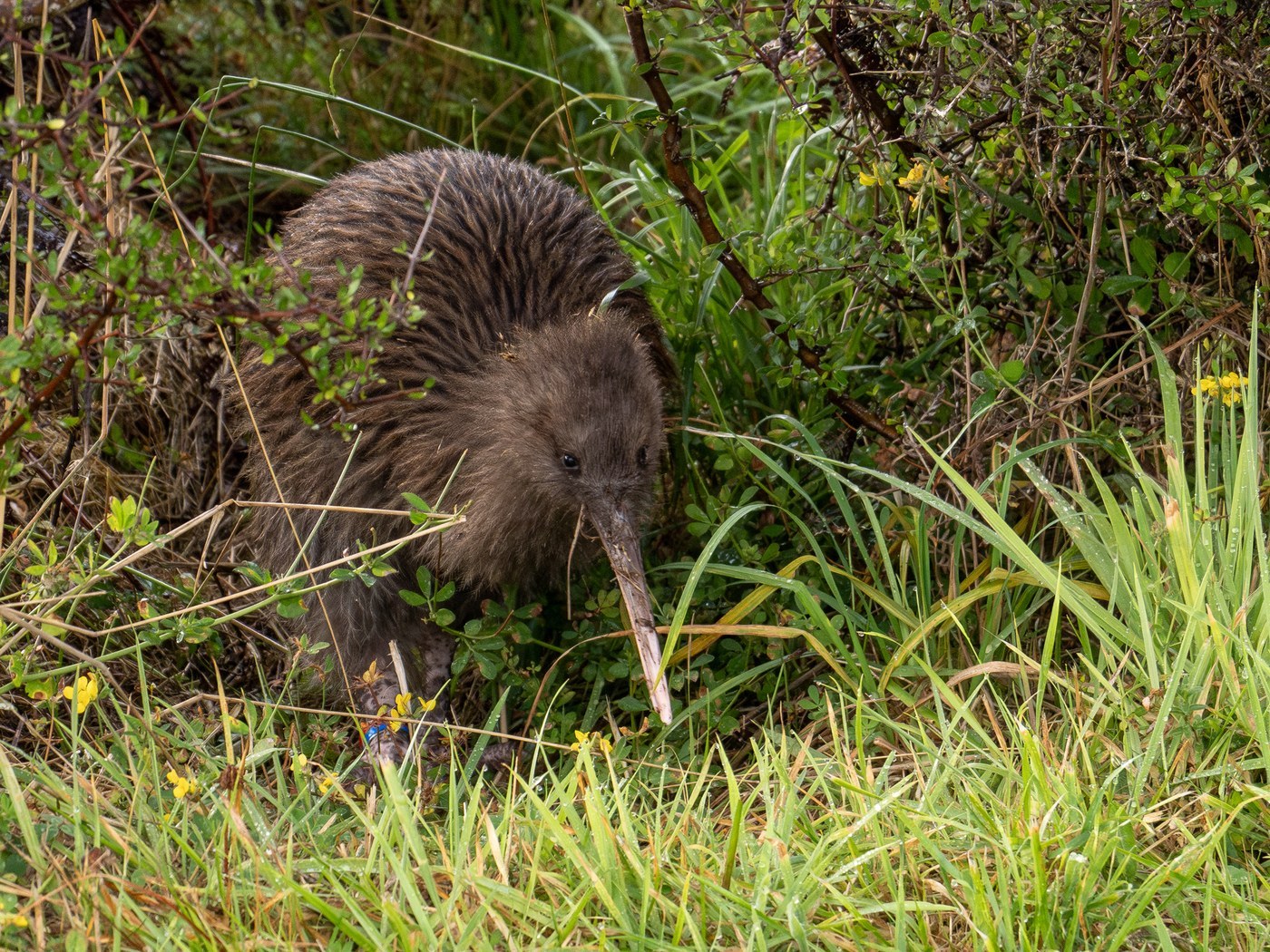
Southern Brown Kiwi
Shaggy, hair-like plumage with loose barbs lacking barbules; flightless, vestigial wings hidden beneath body feathers

Somali Ostrich
Loose, soft plumes lacking interlocking barbules

Wreathed Hornbill
Dense contour feathers, broad flight feathers

Woodland Kingfisher
Firm contour feathers; broad wing feathers

Russet-crowned Motmot
Dense contour feathers with elongated, racket-tipped central tail feathers