

Great Hornbill
Buceros bicornis
The Great Hornbill is one of the largest Asian hornbills, marked by bold black-and-white plumage and topped with a massive yellow-and-black casque. It flies with loud, whooshing wingbeats between fruiting trees in dense evergreen forest.
- Feather type
- Broad flight feathers, dense contour feathers
- Colours
- Black body with a white neck, belly, and tail marked by a black band
- Bird size
- Large, ~95-130 cm including tail
Found a feather like this?
Identify any feather from a photo, free.
Overview
Overview
The Great Hornbill is a large, striking bird of South and Southeast Asian forests, widely recognized for its oversized casque atop an already substantial bill. Its plumage, while bold, is arranged in broad blocks of black and white that make it identifiable even without a close view of the head.
- One of the largest hornbill species by wingspan
- Plumage is patterned in strong black-and-white blocks
- Casque and bill color often stained yellow from preen-gland secretions
Identifying the Feather
Feather Identification
The body is mostly black, with a white neck and lower underparts providing strong contrast. The wings show a black-and-white pattern with a pale, sometimes yellow-tinged, trailing edge, and the tail is white crossed by a broad black band near the tip.
- Neck and underparts: white, sometimes stained yellowish from preening
- Wings: black with white markings and a pale trailing band
- Tail: white with a bold black subterminal band
- Shaft color: dark on black feathers, pale on white ones
The white tail crossed by a single broad black band, combined with a white neck against an otherwise black body, separates this species from smaller Asian hornbills with different tail-banding patterns.
Plumage & Molt
Plumage Notes
Males and females share the same plumage pattern but differ in eye color, with males typically showing red eyes and females white to bluish-white eyes. Juveniles lack the fully developed casque and show duller, less crisp plumage contrast.
- Sexes alike in feather pattern; eye color is the more reliable sex clue
- Juveniles show a smaller casque and softer plumage contrast
- Plumage yellowing on the neck and casque comes from preen oil, not diet or molt
Habitat & Range
Habitat & Range
Inhabits tropical and subtropical evergreen and semi-evergreen forest across South and Southeast Asia, including parts of India, the Himalayan foothills, and Southeast Asian countries.
- Largely non-migratory but capable of local movements tracking fruit availability
- Requires large, tall trees both for fruiting resources and nest cavities
- Sensitive to deforestation due to reliance on mature forest structure
Behavior & Field Notes
Behavior & Field Notes
Great Hornbills are primarily fruit-eating, supplementing their diet with small animal prey, and are known for loud wingbeats audible well before the bird comes into view.
- Voice: deep, resonant barking or grunting calls carrying long distances through the forest
- Nesting: the female seals herself into a tree cavity with mud and droppings, leaving a narrow slit through which the male passes food
- Field notes: listen for loud, whooshing wingbeats overhead, then look for the white tail with a single black band as the bird lands
Frequently asked questions
What is the clearest feather feature of the Great Hornbill?
A white tail crossed by one broad black band, combined with a white neck against black body plumage, is the most reliable combination.
Can you tell males and females apart by plumage?
Plumage looks alike between sexes; eye color, red in males and pale in females, is a more dependable clue.
Why does the neck sometimes look yellow?
The white neck feathers can become stained yellow from oily secretions the bird spreads while preening, not from actual pigment.
Where does the Great Hornbill live?
In tropical and subtropical evergreen forest across South and Southeast Asia, favoring tall, mature trees.
Great Hornbill guides
In-depth guides for identifying and understanding Great Hornbill.

Other feathers you may enjoy

Common Cuckoo
Flight and body feathers
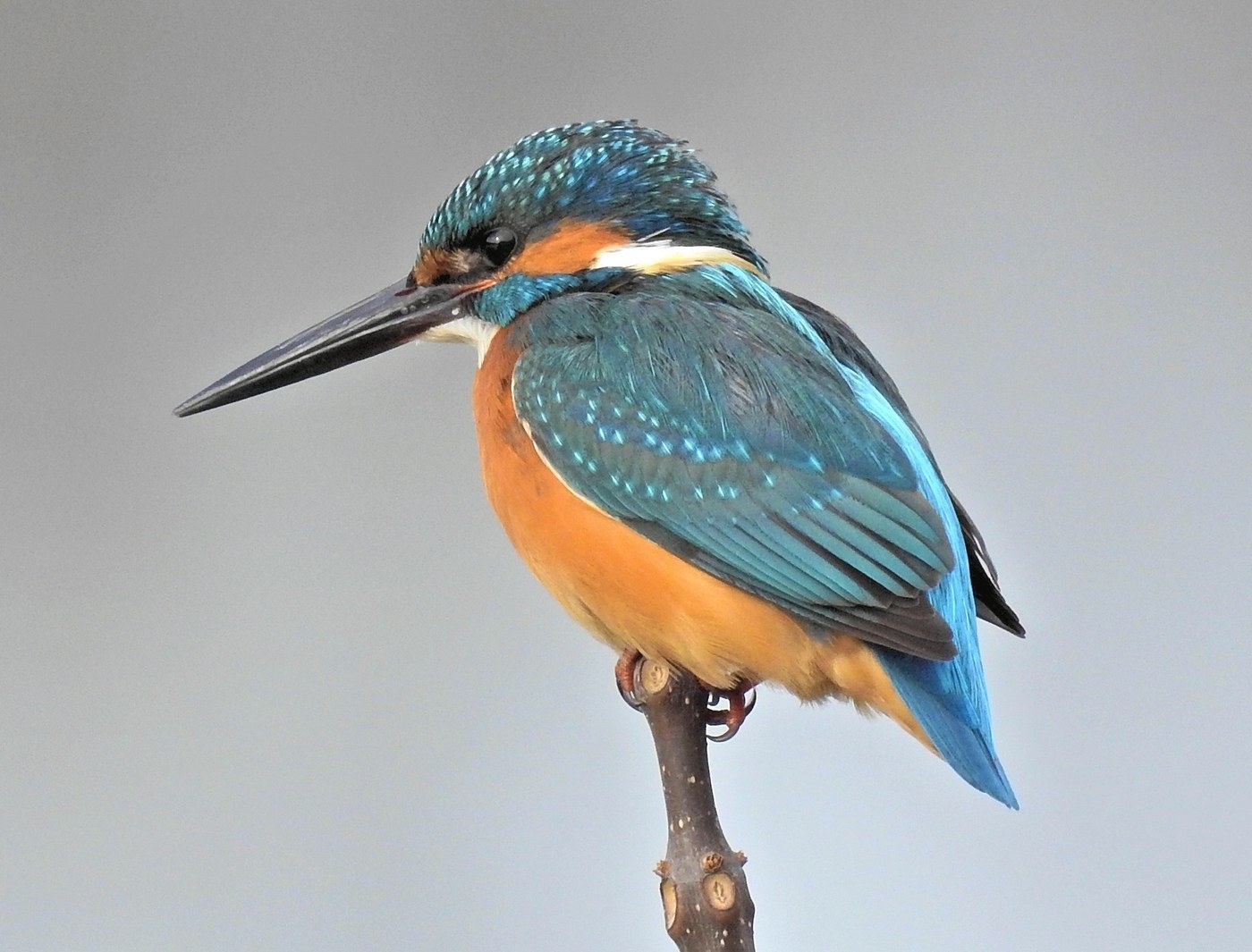
Common Kingfisher
Body (contour) and wing feathers
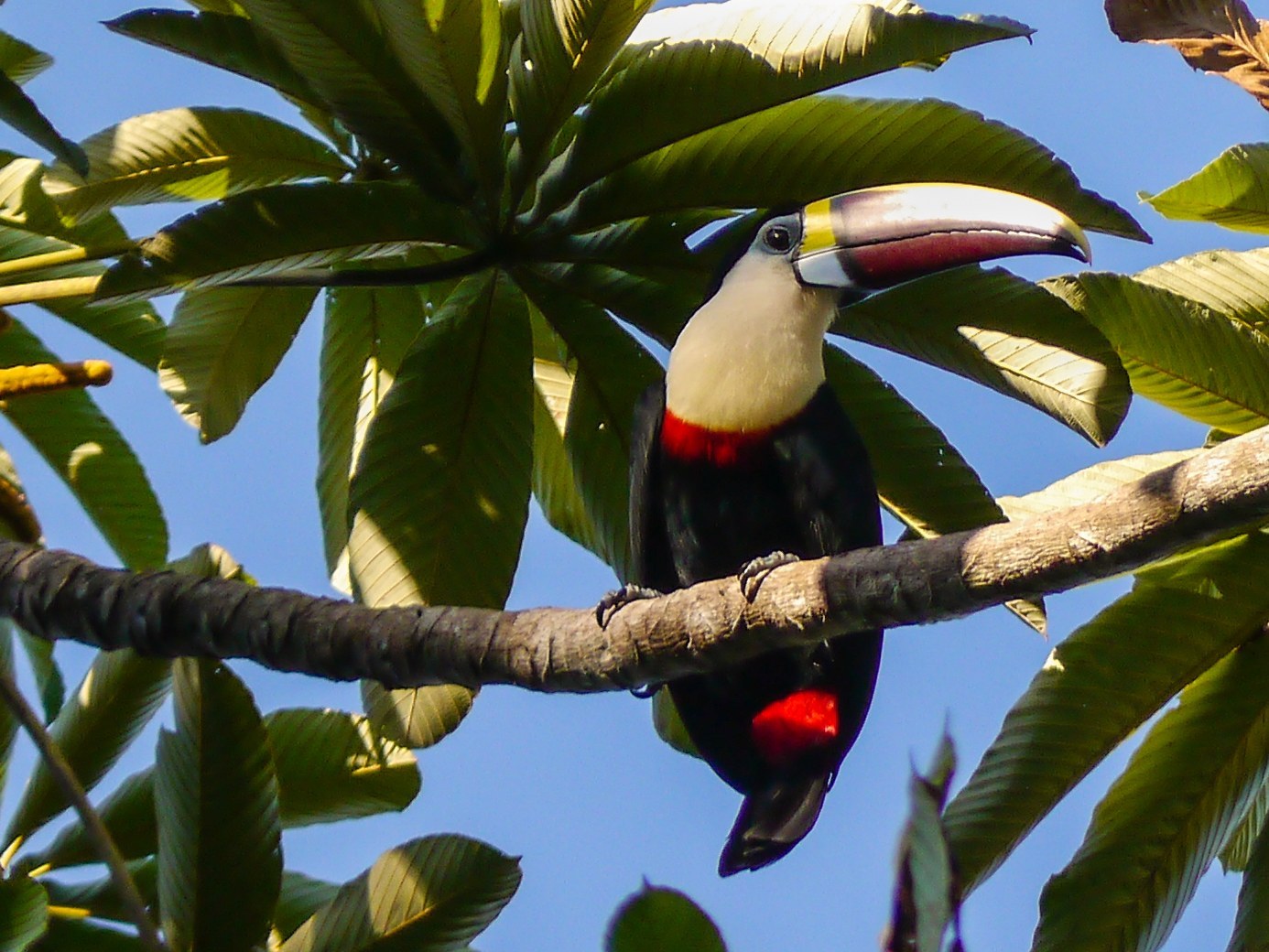
White-throated Toucan
Short rounded contour feathers, short broad wings
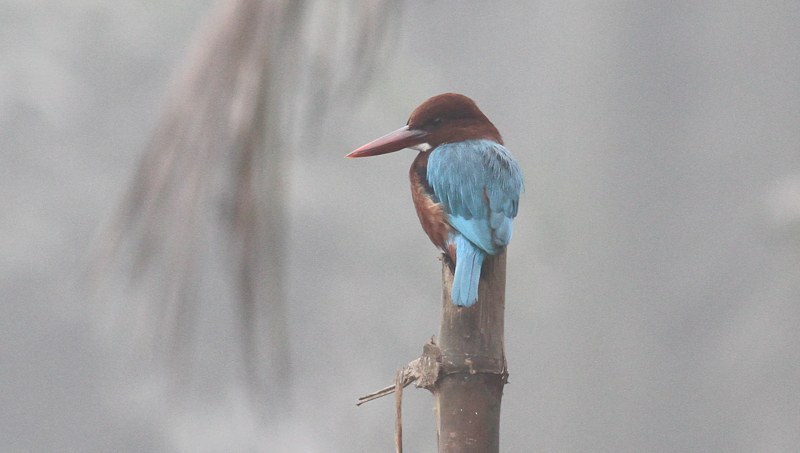
White-throated Kingfisher
Dense contour feathers; broad rounded wings

White-throated Bee-eater
Sleek, aerodynamic contour feathers; elongated central tail streamers
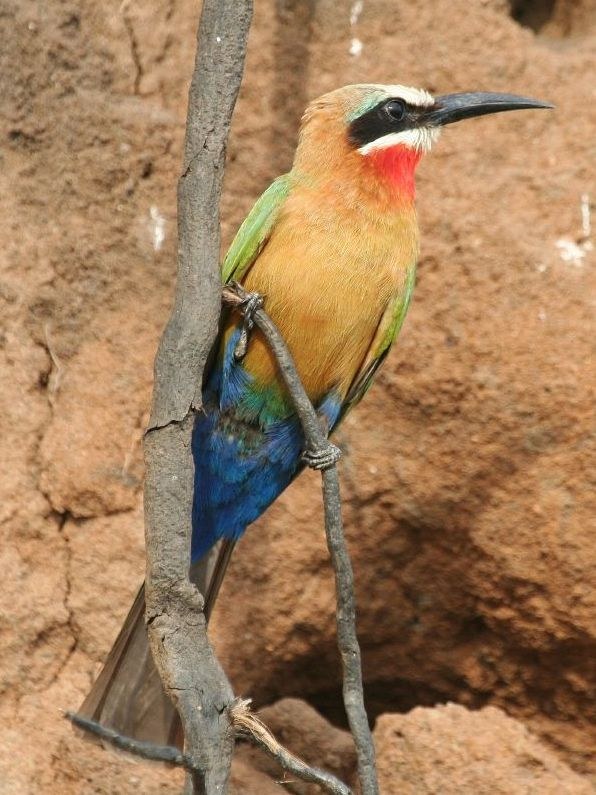
White-fronted Bee-eater
Sleek contour feathers; short tail with slight point

Southern Yellow-billed Hornbill
Slender contour feathers, moderate flight feathers
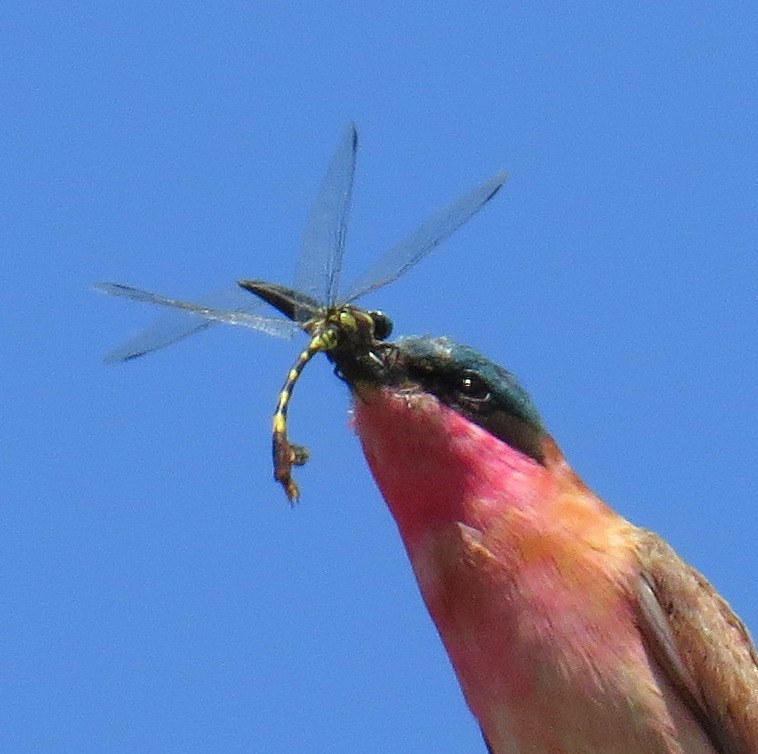
Southern Carmine Bee-eater
Sleek, pointed contour feathers; elongated central tail streamers
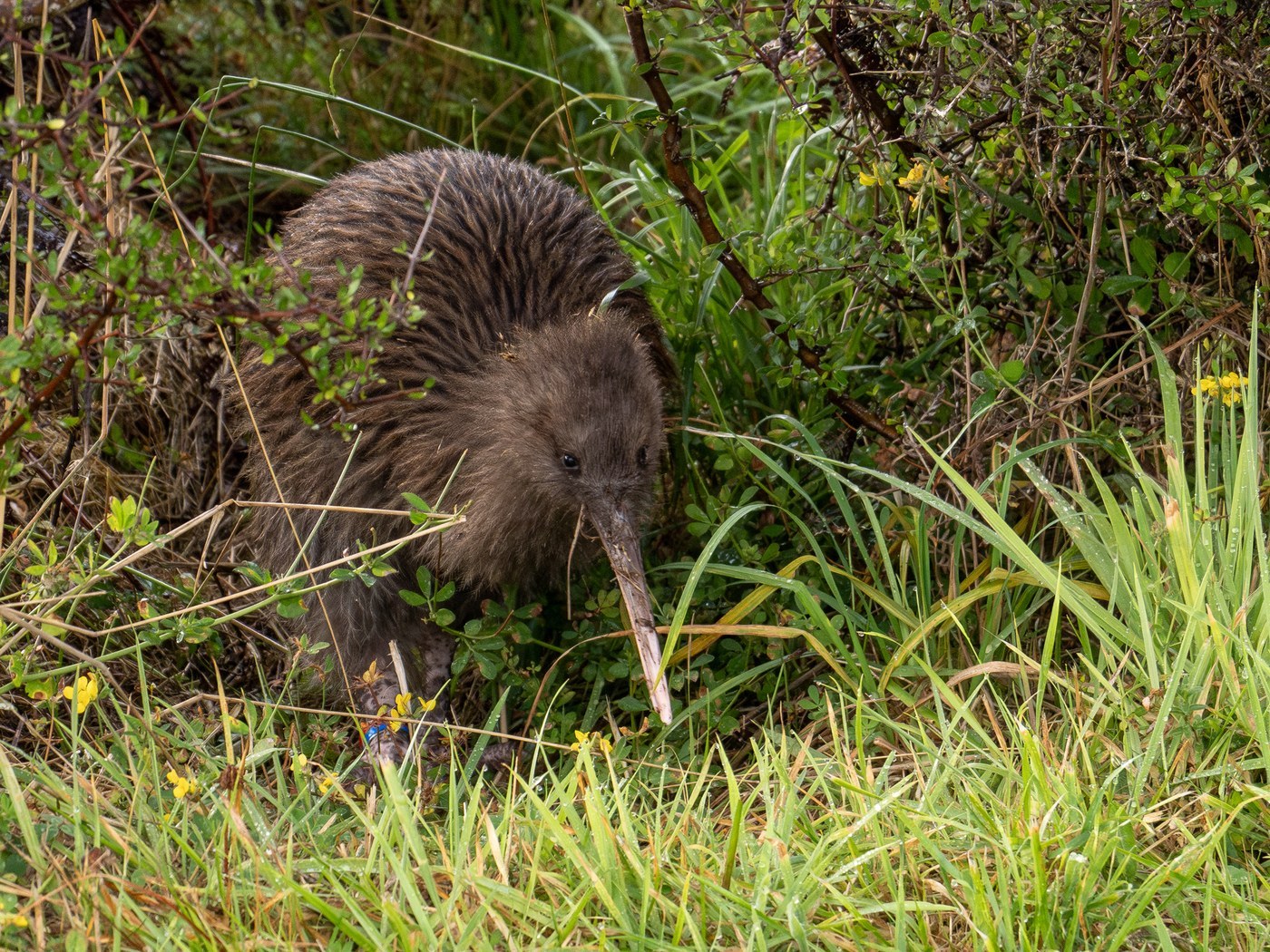
Southern Brown Kiwi
Shaggy, hair-like plumage with loose barbs lacking barbules; flightless, vestigial wings hidden beneath body feathers

Somali Ostrich
Loose, soft plumes lacking interlocking barbules

Wreathed Hornbill
Dense contour feathers, broad flight feathers

Woodland Kingfisher
Firm contour feathers; broad wing feathers