

Rhinoceros Hornbill
Buceros rhinoceros
The Rhinoceros Hornbill is a large Southeast Asian rainforest bird best known for its upturned, horn-shaped casque, set against black-and-white plumage similar to other large Asian hornbills. It is an important seed disperser in the forests it inhabits.
- Feather type
- Broad flight feathers, dense contour feathers
- Colours
- Black body with a white belly, legs, and tail marked by a black band
- Bird size
- Large, ~80-90 cm plus tail
Found a feather like this?
Identify any feather from a photo, free.
Overview
Overview
The Rhinoceros Hornbill is a large forest hornbill of Sundaic Southeast Asia, named for its prominent, upward-curving casque that resembles a horn. Its plumage follows the broad black-and-white pattern typical of large Buceros hornbills, making the casque shape the most distinctive additional field mark.
- Large hornbill of Borneo, Sumatra, and the Malay Peninsula
- Plumage pattern is similar to other large black-and-white hornbills
- Casque shape is the standout non-feather feature
Identifying the Feather
Feather Identification
Body plumage is predominantly black, with white on the belly, legs, and vent. The tail is white crossed by a black band, similar in general pattern to other large Buceros hornbills but often appearing narrower or differently positioned depending on individual wear.
- Body: black, dense contour feathers
- Underparts: white belly and leg feathers
- Tail: white with a black band, sometimes stained yellowish from preen oil
- Wings: black with limited white markings compared to some relatives
Because plumage overlaps closely with other large Asian hornbills, range (Sundaic Southeast Asia) and the shape of the casque are the most reliable ways to confirm this species over similar-looking relatives.
Plumage & Molt
Plumage Notes
Sexes share a similar black-and-white plumage pattern, with subtler differences in eye color and casque proportions rather than feather color. Juveniles show duller plumage and a much smaller, less curved casque that develops with age.
- Sexes are broadly alike in plumage color
- Juveniles show reduced casque development and softer plumage contrast
- Preen oil can stain white feathers yellow over time
Habitat & Range
Habitat & Range
Found in lowland and hill rainforest across Borneo, Sumatra, and the Malay Peninsula, generally favoring tall, undisturbed forest.
- Non-migratory resident of Sundaic rainforest
- Requires large trees for both feeding and nesting
- Sensitive to logging and forest fragmentation due to its reliance on mature canopy
Behavior & Field Notes
Behavior & Field Notes
This hornbill feeds mainly on fruit, supplemented by small animal prey, and plays a significant role in dispersing seeds through the rainforest.
- Voice: loud, harsh barking calls, often given in pairs
- Nesting: the female seals into a tree cavity, similar to other large hornbills, relying on the male to deliver food through a narrow opening
- Field notes: confirm by the upturned, horn-shaped casque paired with black-and-white plumage, within Sundaic Southeast Asian rainforest
Frequently asked questions
How do Rhinoceros Hornbill feathers compare to other big hornbills?
The black-and-white body and banded white tail closely resemble other large Buceros hornbills, so range and casque shape help confirm identification.
Where is this hornbill found?
In lowland and hill rainforest of Borneo, Sumatra, and the Malay Peninsula.
Do juveniles look different?
Yes, juveniles have duller plumage contrast and a much smaller, straighter casque that develops its curve with age.
What ecological role does this hornbill play?
It is an important seed disperser, spreading the seeds of fruiting rainforest trees across its home range.
Rhinoceros Hornbill guides
In-depth guides for identifying and understanding Rhinoceros Hornbill.

Other feathers you may enjoy

Common Cuckoo
Flight and body feathers
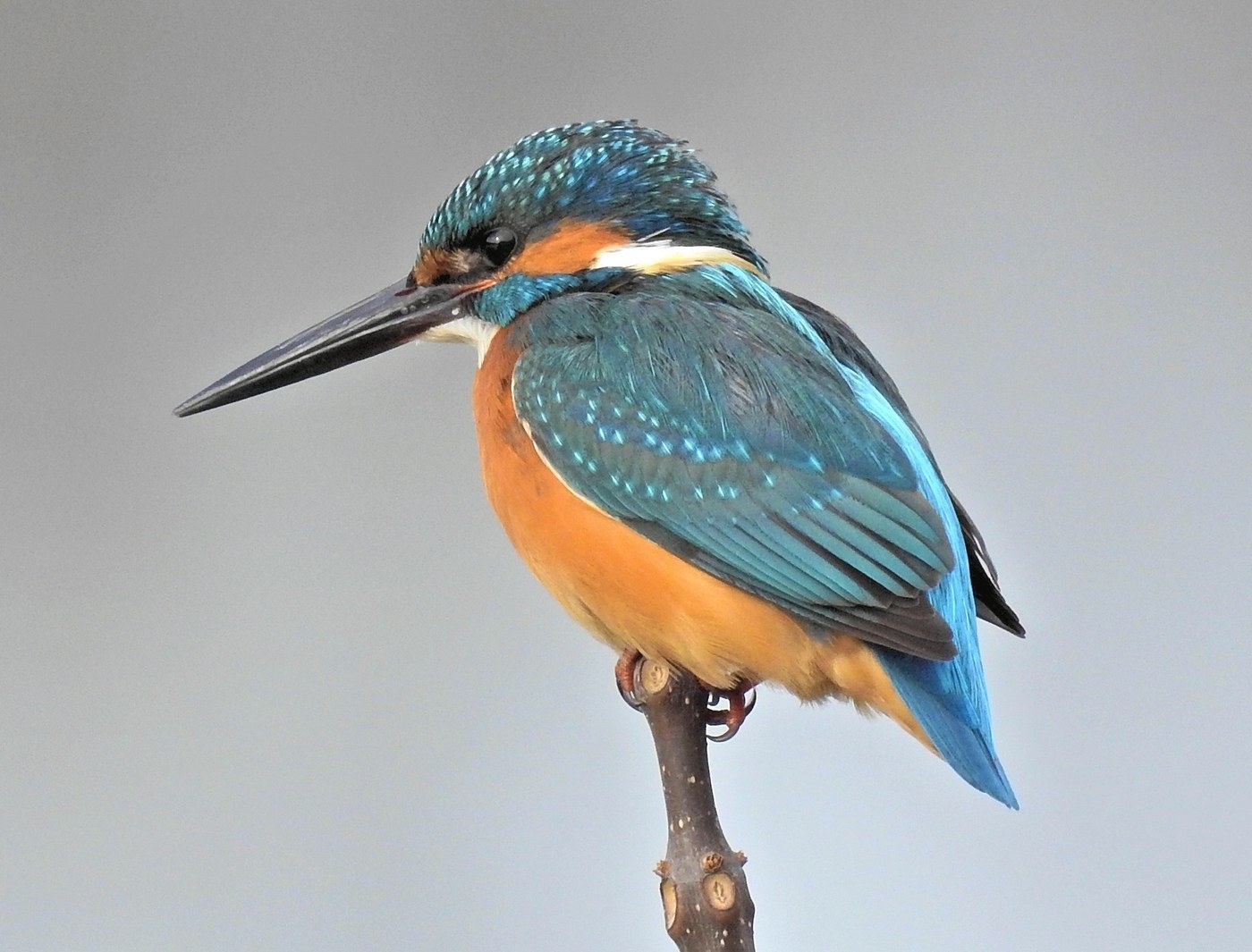
Common Kingfisher
Body (contour) and wing feathers
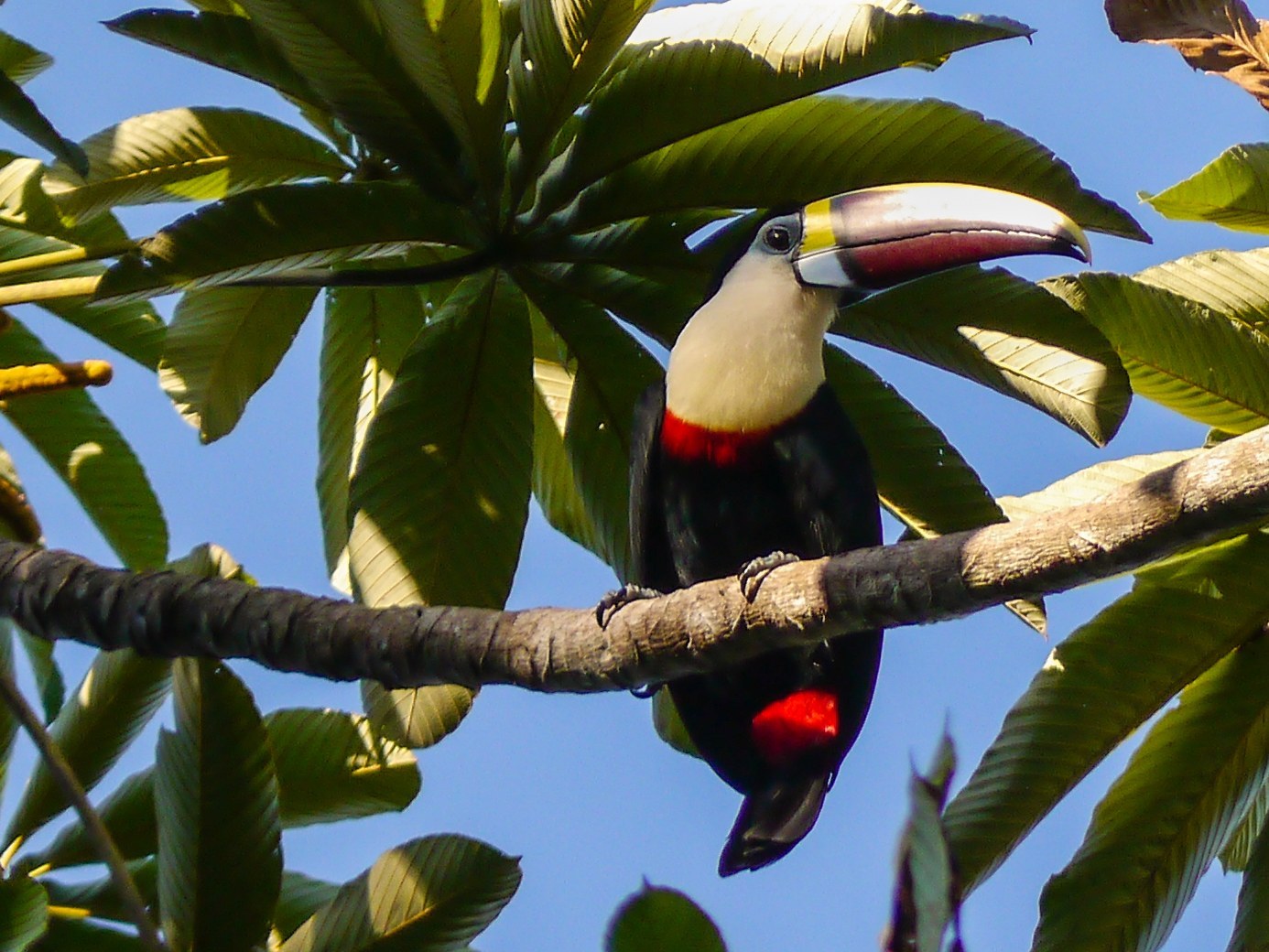
White-throated Toucan
Short rounded contour feathers, short broad wings
White-throated Kingfisher
Dense contour feathers; broad rounded wings

White-throated Bee-eater
Sleek, aerodynamic contour feathers; elongated central tail streamers
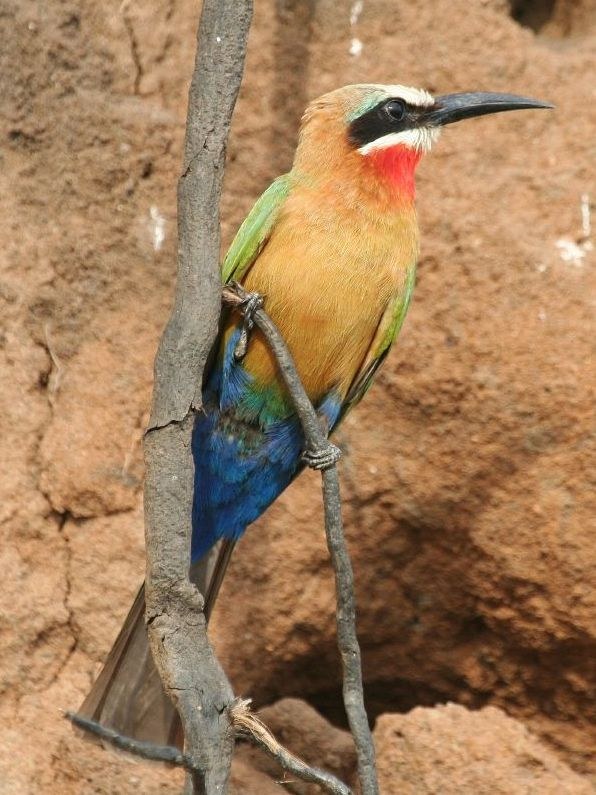
White-fronted Bee-eater
Sleek contour feathers; short tail with slight point

Southern Yellow-billed Hornbill
Slender contour feathers, moderate flight feathers
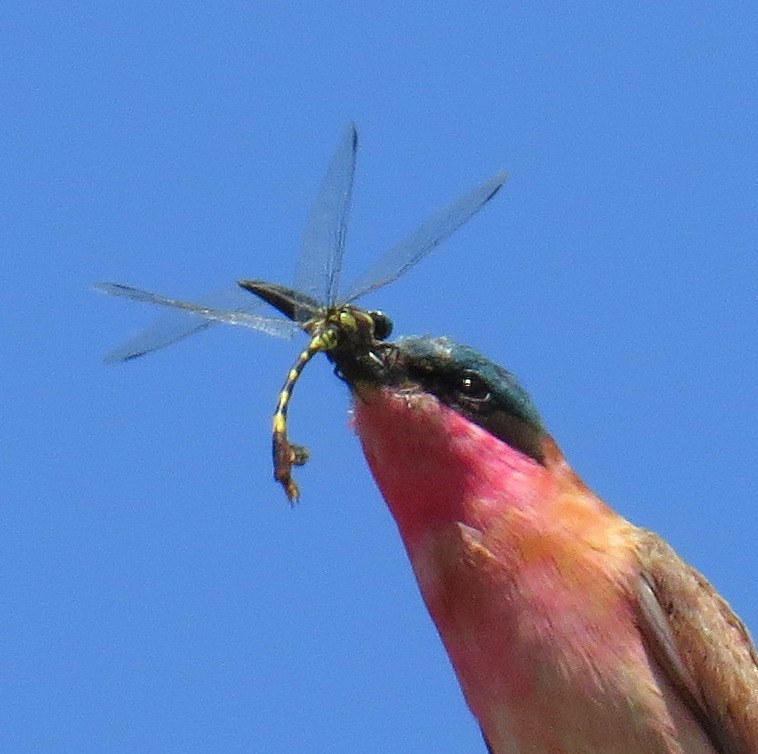
Southern Carmine Bee-eater
Sleek, pointed contour feathers; elongated central tail streamers
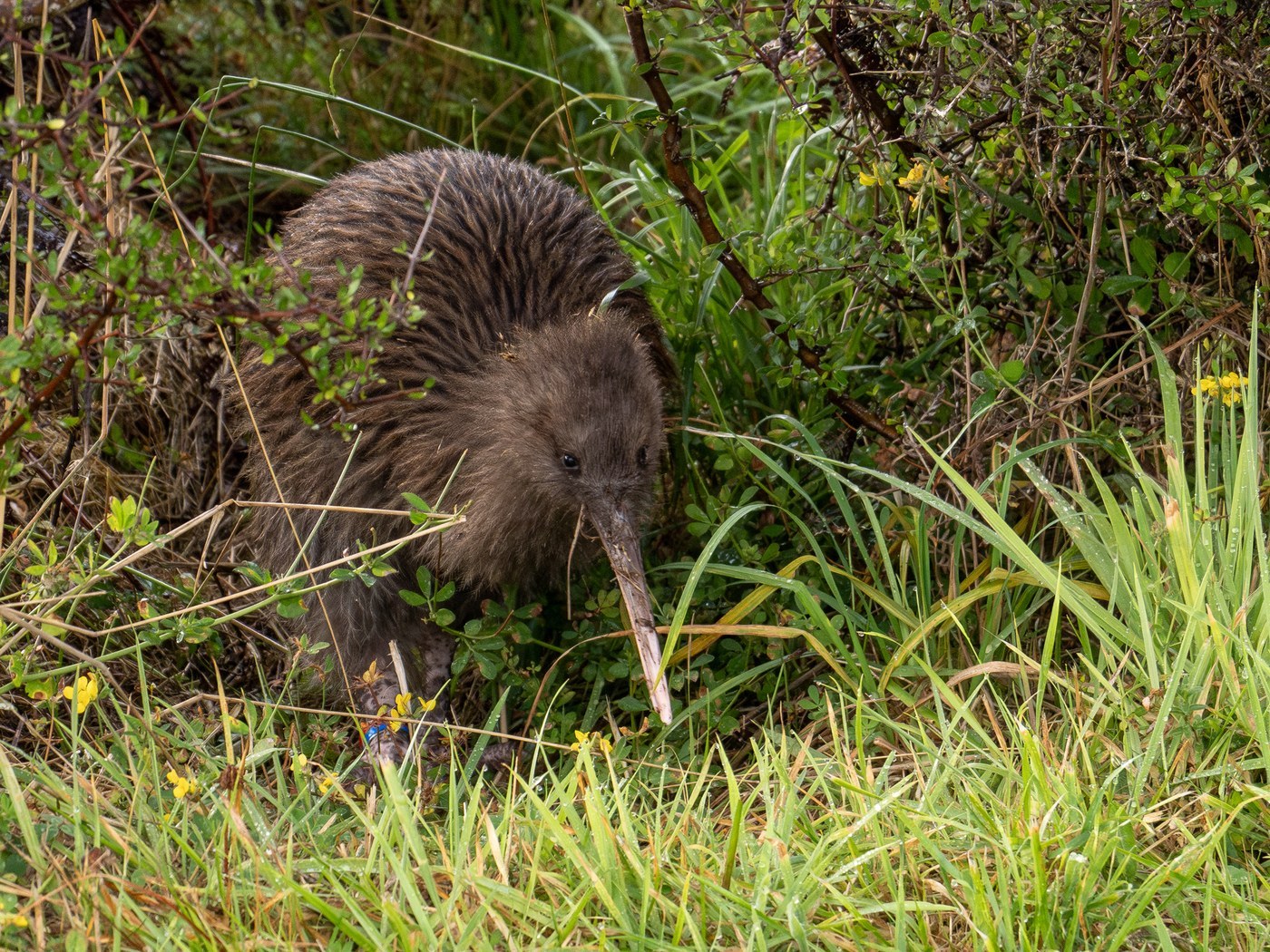
Southern Brown Kiwi
Shaggy, hair-like plumage with loose barbs lacking barbules; flightless, vestigial wings hidden beneath body feathers

Somali Ostrich
Loose, soft plumes lacking interlocking barbules

Wreathed Hornbill
Dense contour feathers, broad flight feathers

Woodland Kingfisher
Firm contour feathers; broad wing feathers