
Feather & Bird Encyclopedia
Search and identify feathers by species — with feather type, plumage, colours, size, habitat, and how to tell them apart in the field.

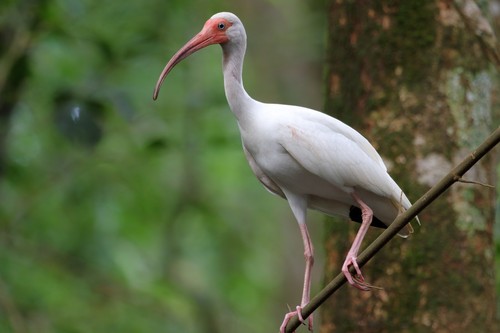
American White Ibis
A common white ibis of the southeastern United States, Central America, and the Caribbean, easily identified by its bright pink-red decurved bill and legs and black wingtips visible in flight.
wading bird
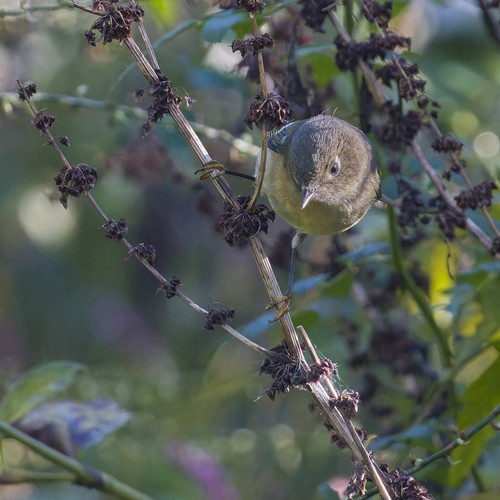
Ruby-crowned Kinglet
One of the smallest songbirds in North America, this active, constantly flicking bird carries a hidden ruby-red crown patch in males that is usually concealed and only flashed briefly during excitement or display.
songbird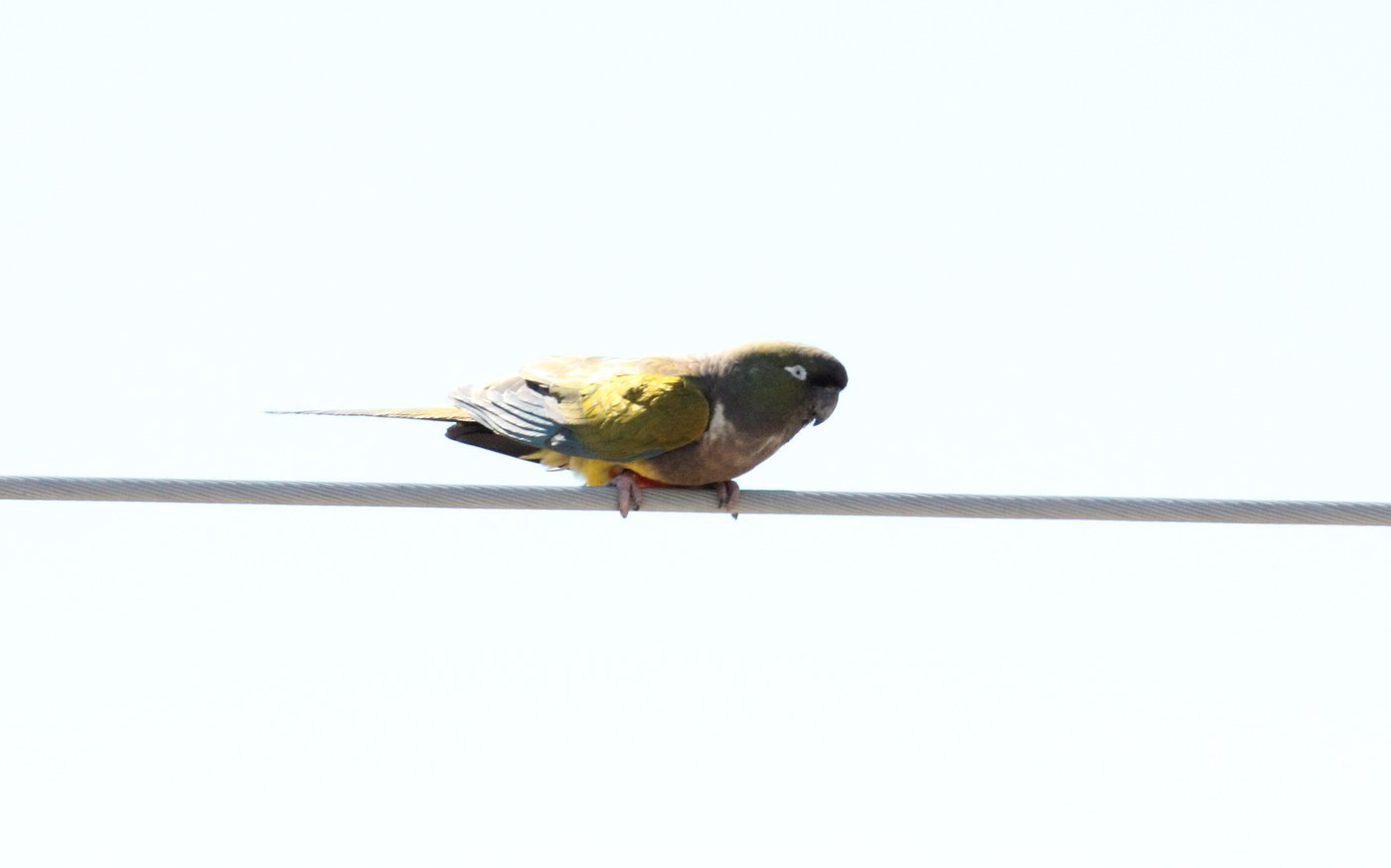
Patagonian Conure
A large, earth-toned South American parrot notable for nesting in burrows dug into cliff faces, identified by its olive-brown upperparts and a bright yellow-and-red patch across the lower belly.
parrot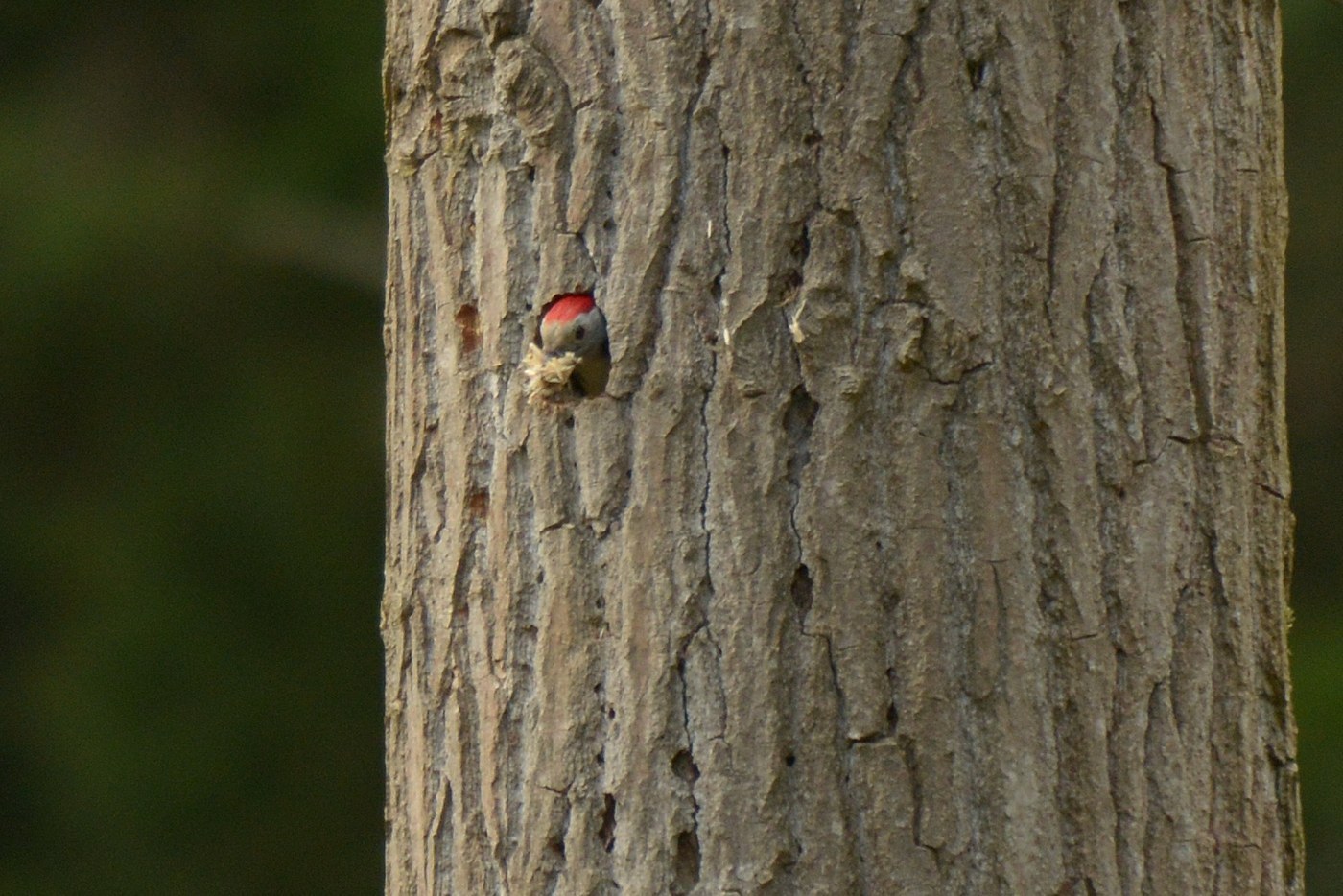
Middle Spotted Woodpecker
A small, delicately patterned European woodpecker of old oak woodland, easily told from the Great Spotted Woodpecker by its unbroken red cap and streaked, rather than solidly barred, flanks.
woodpecker
Common Flameback
A gold-backed Southeast Asian woodpecker whose bright red rump and bold black-and-white facial stripes make its shed feathers relatively easy to place among the region's 'flamebacks.'
woodpecker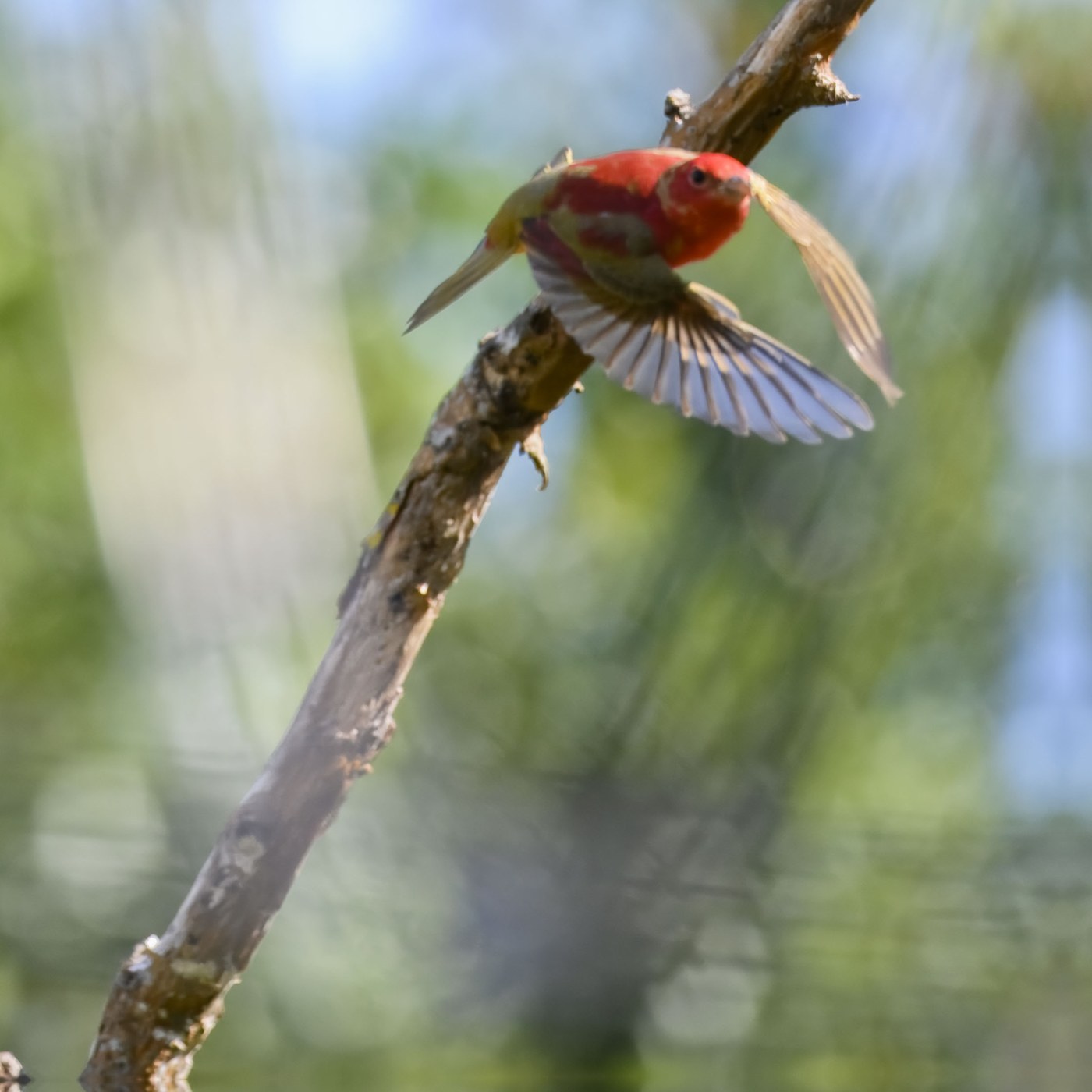
Summer Tanager
Unlike its scarlet cousin, the male Summer Tanager is rosy-red from head to tail with no contrasting black wings, a year-round trait unique among North American tanagers.
songbird
Southern Double-collared Sunbird
A small southern African sunbird whose males show iridescent green upperparts and a narrow red breast band bordered by a thin dark band, giving rise to the 'double-collared' name.
songbird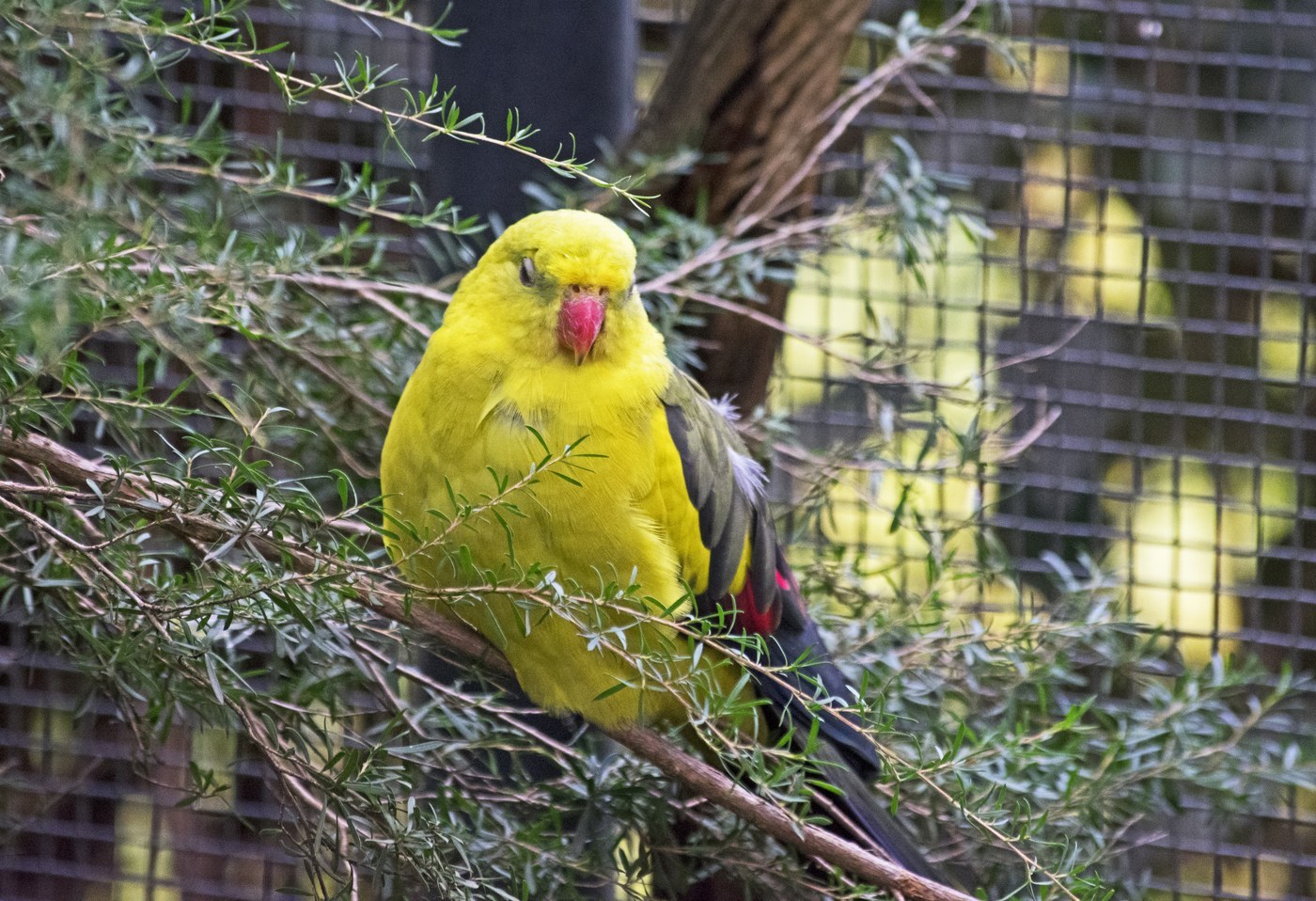
Regent Parrot
The Regent Parrot is a slender, long-tailed Australian parrot in which males are largely bright yellow with bold red and black wing markings, while females are a much duller olive-green.
parrot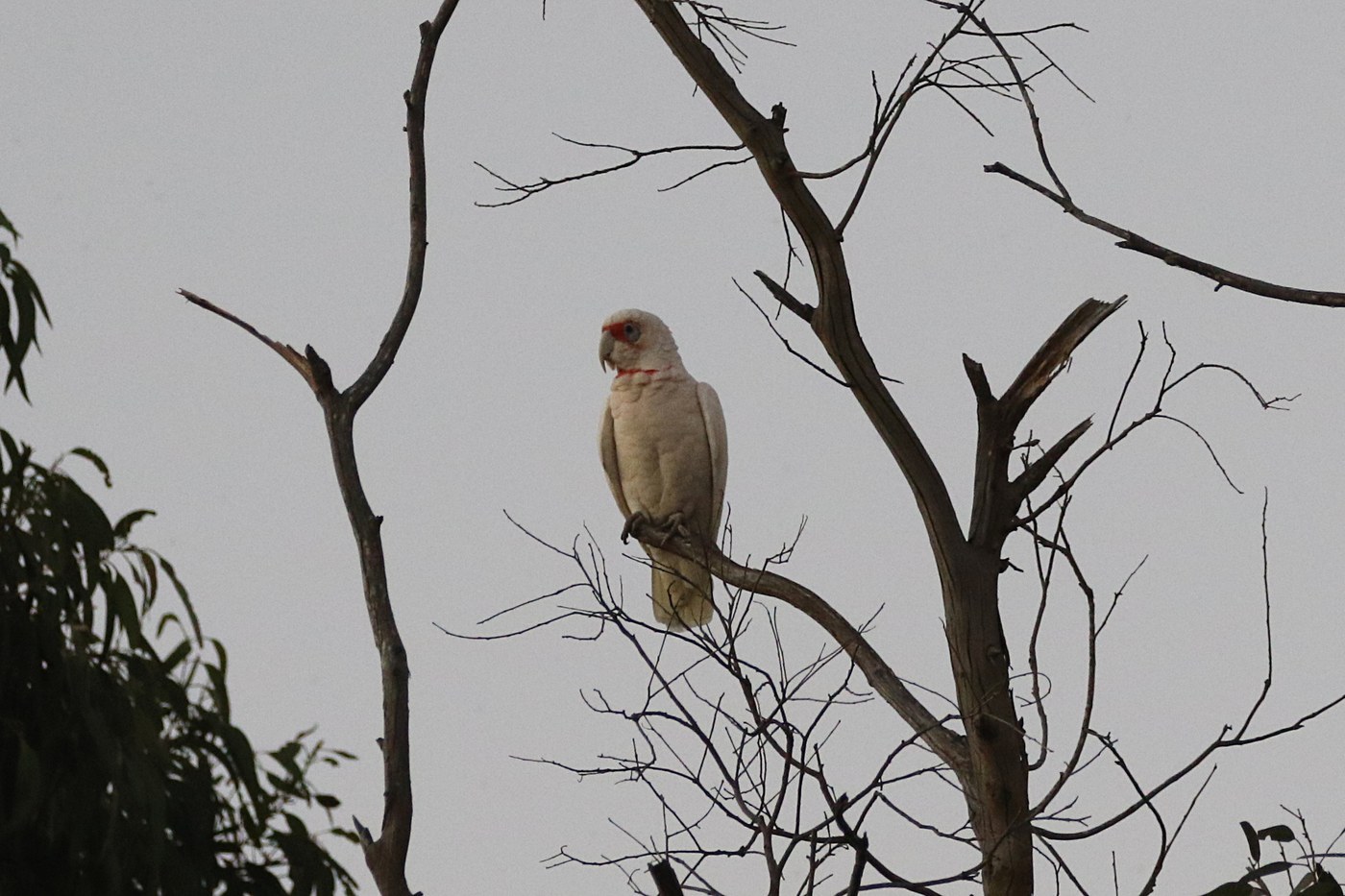
Long-billed Corella
A white Australian cockatoo with an unusually long, curved upper bill, the Long-billed Corella shows more extensive pink-red coloring on the face and breast than its close relatives.
parrot
Black-headed Grosbeak
The western counterpart of the Rose-breasted Grosbeak, this species trades the rose-red breast for a warm cinnamon-orange body beneath a solid black head and boldly patterned black-and-white wings.
songbird
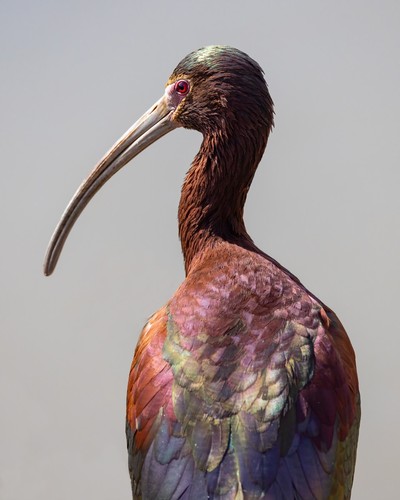
White-faced Ibis
A close relative of the Glossy Ibis found in the Americas, sharing similar rich chestnut plumage with an iridescent sheen, but distinguished in breeding adults by a thin band of white feathers bordering the bare red facial skin.
wading bird
White-backed Woodpecker
A large, heavily barred woodpecker of old-growth forest, distinguished from the similar Great Spotted Woodpecker by its finely barred (rather than solid white) back and extensive pink-red vent.
woodpecker
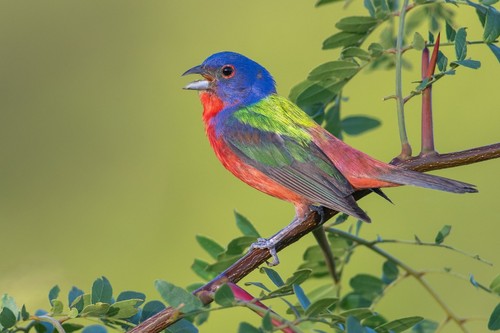
Painted Bunting
Often called the most colorful songbird in North America, the male Painted Bunting shows a blue head, red underparts, and green back all on the same bird, while females are a uniform bright green.
songbird
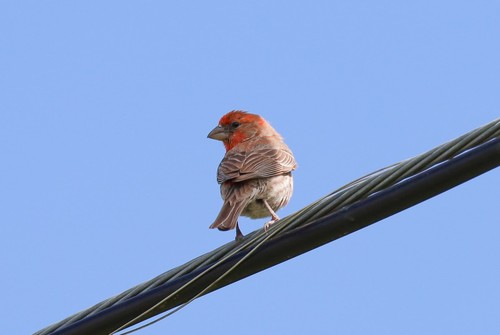
House Finch
The House Finch is a common feeder finch whose male feathers show a diet-dependent red-to-orange wash on the head and breast over a brown-streaked body, while females are plain streaked brown.
songbird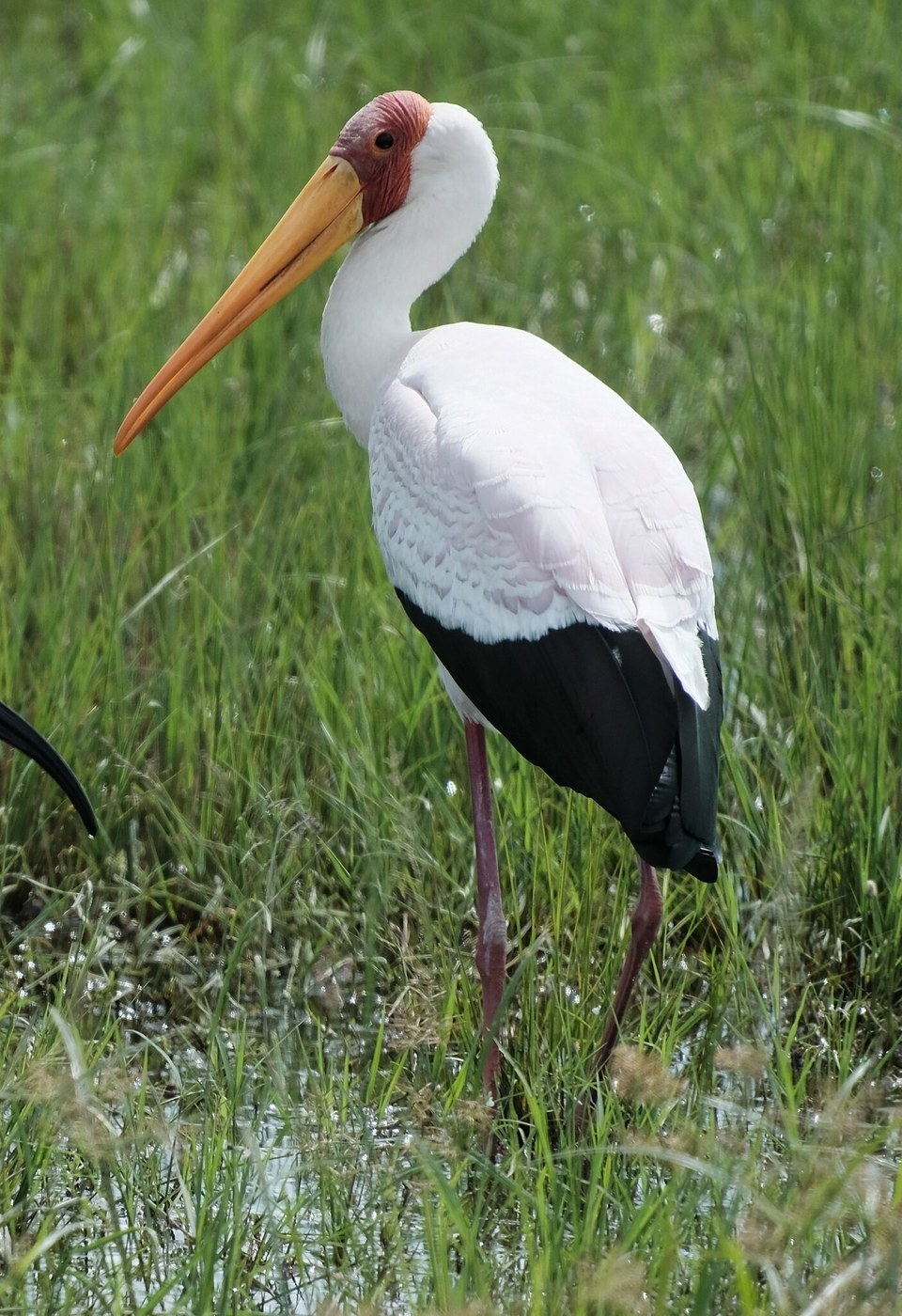
Yellow-billed Stork
An African wetland stork with mostly white plumage, black flight feathers, a bright red bare face, and a long yellow decurved bill, developing a delicate pink wash on the back during breeding.
wading bird
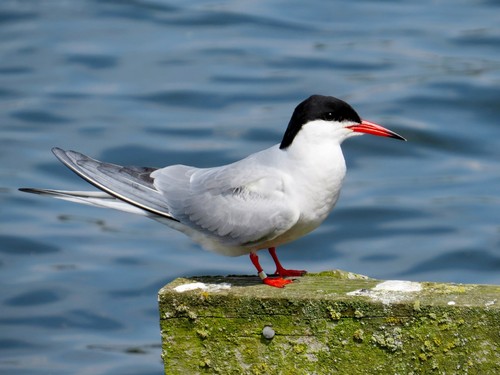
Common Tern
A widespread and familiar tern of coasts and inland waters, identified by its black cap, forked tail, red-orange bill with a black tip, and a dark wedge along the leading edge of the outer wing.
seabird
Great Knot
The largest of the knots, this East Asian-Australasian Flyway specialist shows a densely spotted blackish breast in breeding plumage and a notably longer, heavier bill than its close relative the Red Knot.
shorebird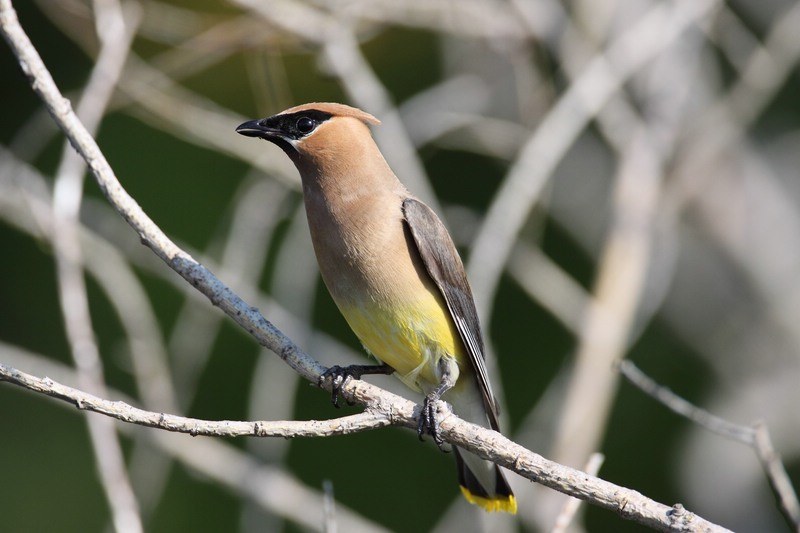
Cedar Waxwing
A sleek, crested bird best known for the small, waxy red tips on its secondary wing feathers, paired with a soft brown-to-gray body and a bright yellow band across the tail tip.
songbird
Black-necked Crane
A high-altitude specialist crane of the Tibetan Plateau, pale grey overall with a black head and neck and a bare red crown, adapted to some of the highest wetland habitats used by any crane species.
wading bird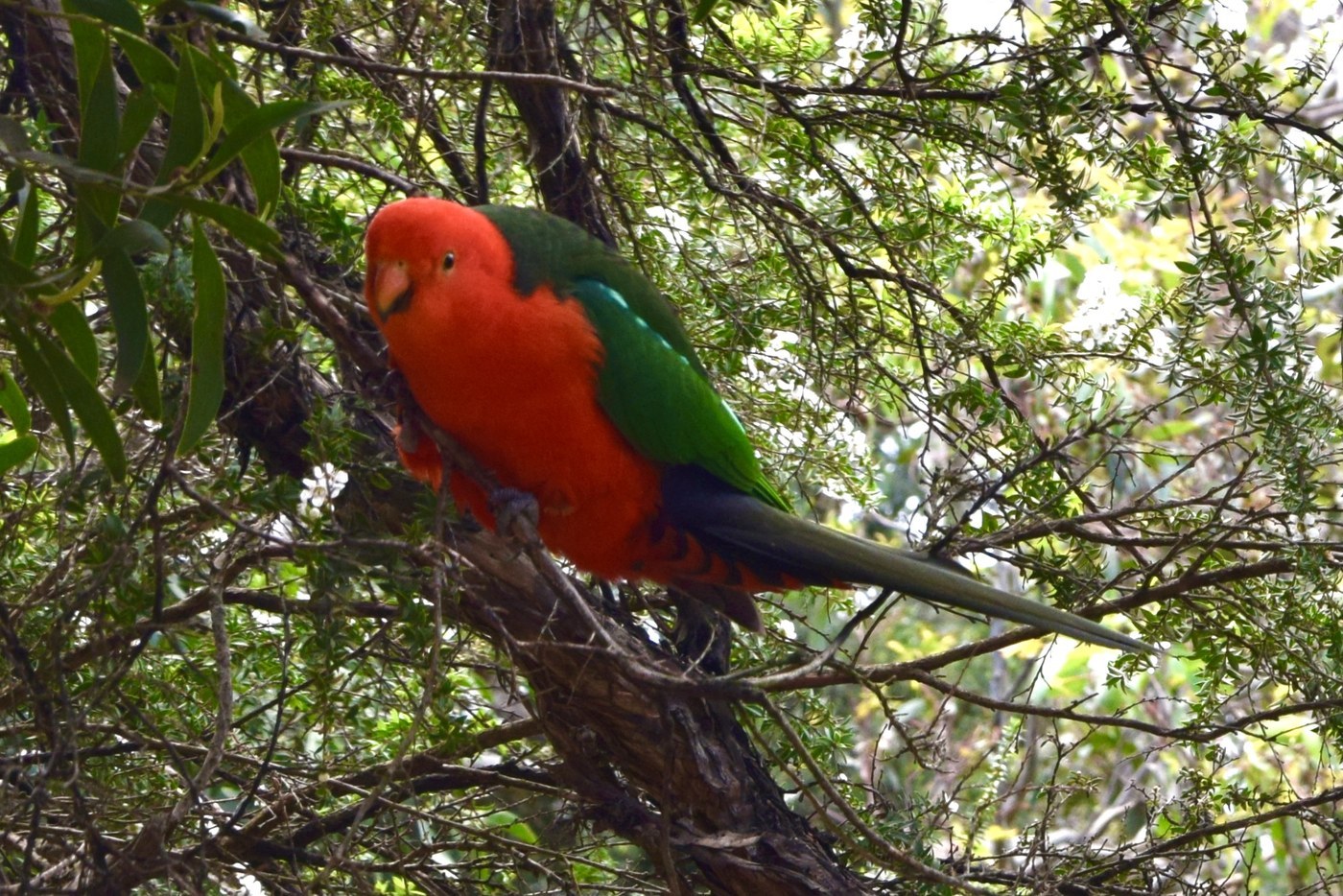
Australian King Parrot
A brightly colored parrot of eastern Australian forests, the male Australian King Parrot has a vivid red head and underparts against green wings and back, while females are almost entirely green.
parrot
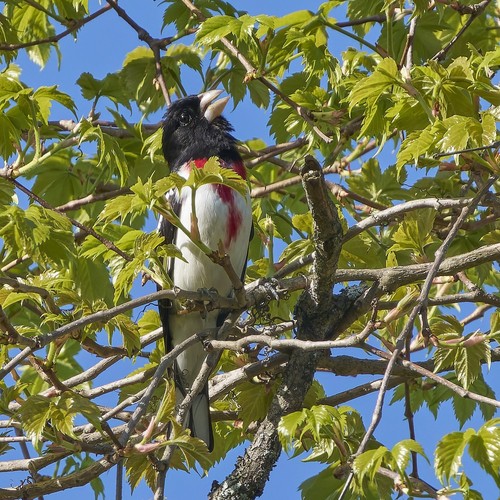
Rose-breasted Grosbeak
A striking eastern songbird whose males show a bold black-and-white pattern set off by a triangular rose-red patch on the breast, one of the most distinctive feather patterns among North American songbirds.
songbird
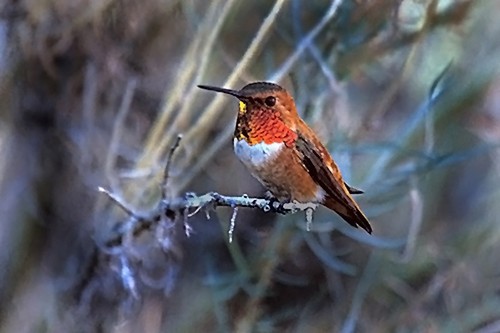
Rufous Hummingbird
A fiercely territorial western hummingbird whose males show extensive rufous-orange body feathers along with a brilliant iridescent orange-red throat, among the most cinnamon-toned hummingbirds in North America.
hummingbird
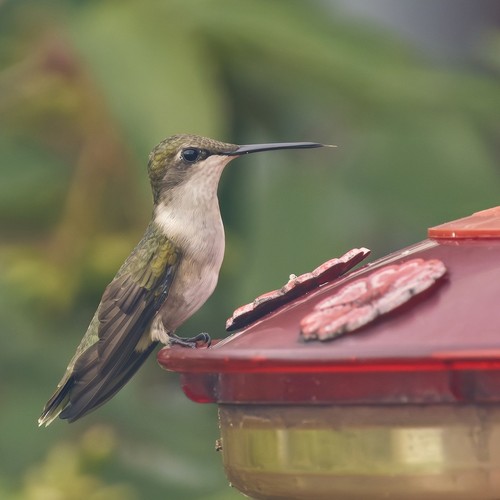
Ruby-throated Hummingbird
The only breeding hummingbird across most of eastern North America, males carry a brilliant iridescent red throat patch that can flash black in poor light, set against emerald-green upperparts.
hummingbird
Raggiana Bird-of-paradise
The Raggiana Bird-of-paradise, the national bird of Papua New Guinea, is known for the male's fiery red-orange flank plumes displayed in group courtship gatherings. It inhabits lowland and hill forest across much of New Guinea.
songbird