

Belted Kingfisher
Megaceryle alcyon
A stocky, large-headed North American kingfisher with a shaggy blue-grey crest and, in females, a distinctive rust-colored belly band.
- Feather type
- Shaggy crest feathers and short, dense body feathers
- Colours
- Blue-grey upperparts with a white collar and chestnut belt on females
- Bird size
- Jay-sized, ~28-35 cm
Found a feather like this?
Identify any feather from a photo, free.
Overview
Overview
The Belted Kingfisher is a common, widespread kingfisher across North America, easily recognized by its large head, shaggy crest, and heavy dagger-like bill. It is one of relatively few North American bird species in which the female is more colorful than the male, showing an additional rust-colored band across the chest.
- Large head and bill relative to body size
- Shaggy, ragged crest feathers give a distinctive silhouette
- Female more colorful than male, unusual among North American birds
Identifying the Feather
Feather Identification
Belted Kingfisher feathers are short and dense on the body, with longer, looser feathers forming the prominent crest.
- Crest feathers: blue-grey, elongated and somewhat disheveled in appearance, raised when the bird is alert or excited
- Upperpart feathers: slate blue-grey, relatively uniform across the back and wings
- Chest band feathers: blue-grey in both sexes, forming a band across the upper breast
- Belly feathers: white in males; females show an additional chestnut-rust band across the lower breast and flanks not present in males
- Compared to similar species: the Ringed Kingfisher of the southern United States and Latin America is larger with a more extensively rust-colored underside in both sexes, while the Belted Kingfisher's white belly in males (with rust limited to females) helps separate the two
Plumage & Molt
Plumage Notes
Males show a blue-grey chest band and otherwise white underparts, while females add a chestnut band across the belly and flanks, an unusual case of the female being more colorful. Juveniles resemble adults of their respective sex but may show some rust mottling in the chest band regardless of sex before their first full molt.
- Clear sexual dimorphism, with females more extensively colored than males
- Juvenile plumage can show a transitional rust tinge in the chest band before settling into the adult pattern
- Molt occurs on a regular annual cycle without dramatic seasonal color change beyond normal feather wear
Habitat & Range
Habitat & Range
Widespread across North America, found near rivers, lakes, ponds, and coastal shorelines with suitable perches and clear water for fishing.
- Breeds across much of Canada and the United States, migrating south in winter from the northern parts of its range
- Southern and coastal populations may be resident year-round
- Requires earthen banks for nesting burrows near its foraging waters
Behavior & Field Notes
Behavior & Field Notes
Belted Kingfishers are solitary and territorial, typically seen perched prominently over water or hovering before diving to catch prey.
- Diet: primarily aquatic prey such as small fish, supplemented with other small aquatic animals, captured by diving from a perch or while hovering
- Nesting: excavates a long burrow in an earthen bank, often near the water it forages over
- Voice: a loud, rattling call given in flight, one of the most distinctive and far-carrying calls among North American birds
- Field notes: the large head, shaggy crest, and heavy bill combined with the rattling call make this species easy to identify even from a distance along waterways
Frequently asked questions
How can you tell male and female Belted Kingfisher feathers apart?
Females show an extra chestnut-rust band across the belly and flanks that males lack, making females more colorful than males, unusual among North American birds.
What is distinctive about the Belted Kingfisher's crest?
It has a shaggy, ragged blue-grey crest that it can raise, giving it a large-headed, crested silhouette.
Where does the Belted Kingfisher live?
It is found near rivers, lakes, ponds, and coastal shorelines across North America, breeding widely and wintering in southern and coastal areas.
How does it differ from the Ringed Kingfisher?
The Ringed Kingfisher is larger with more extensive rust coloring on the underside in both sexes, while the Belted Kingfisher's rust coloring is limited mainly to females.
Belted Kingfisher guides
In-depth guides for identifying and understanding Belted Kingfisher.

Belted Kingfisher identified by the community
Real feathers identified with Feather Identifier.


Other feathers you may enjoy

Common Cuckoo
Flight and body feathers
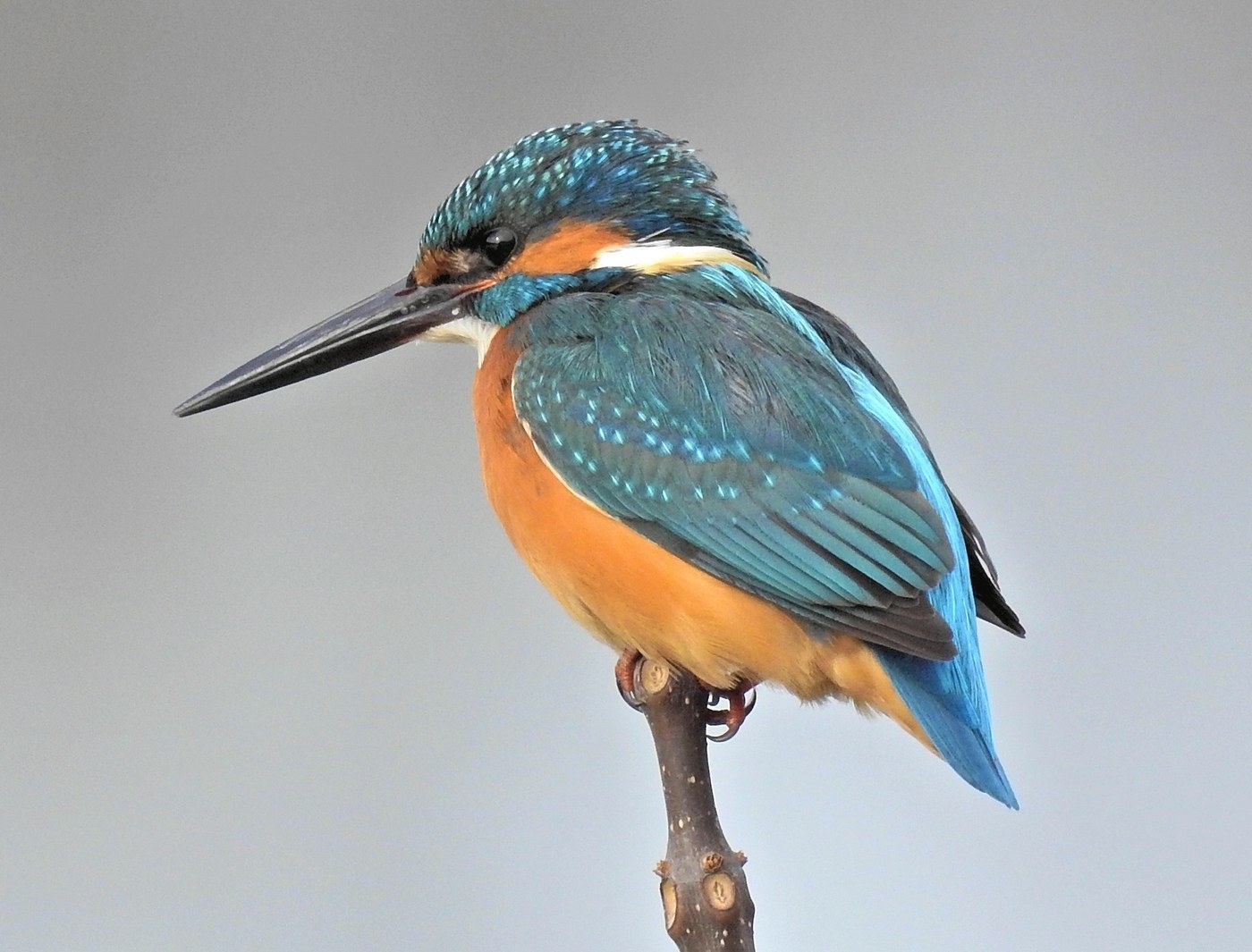
Common Kingfisher
Body (contour) and wing feathers
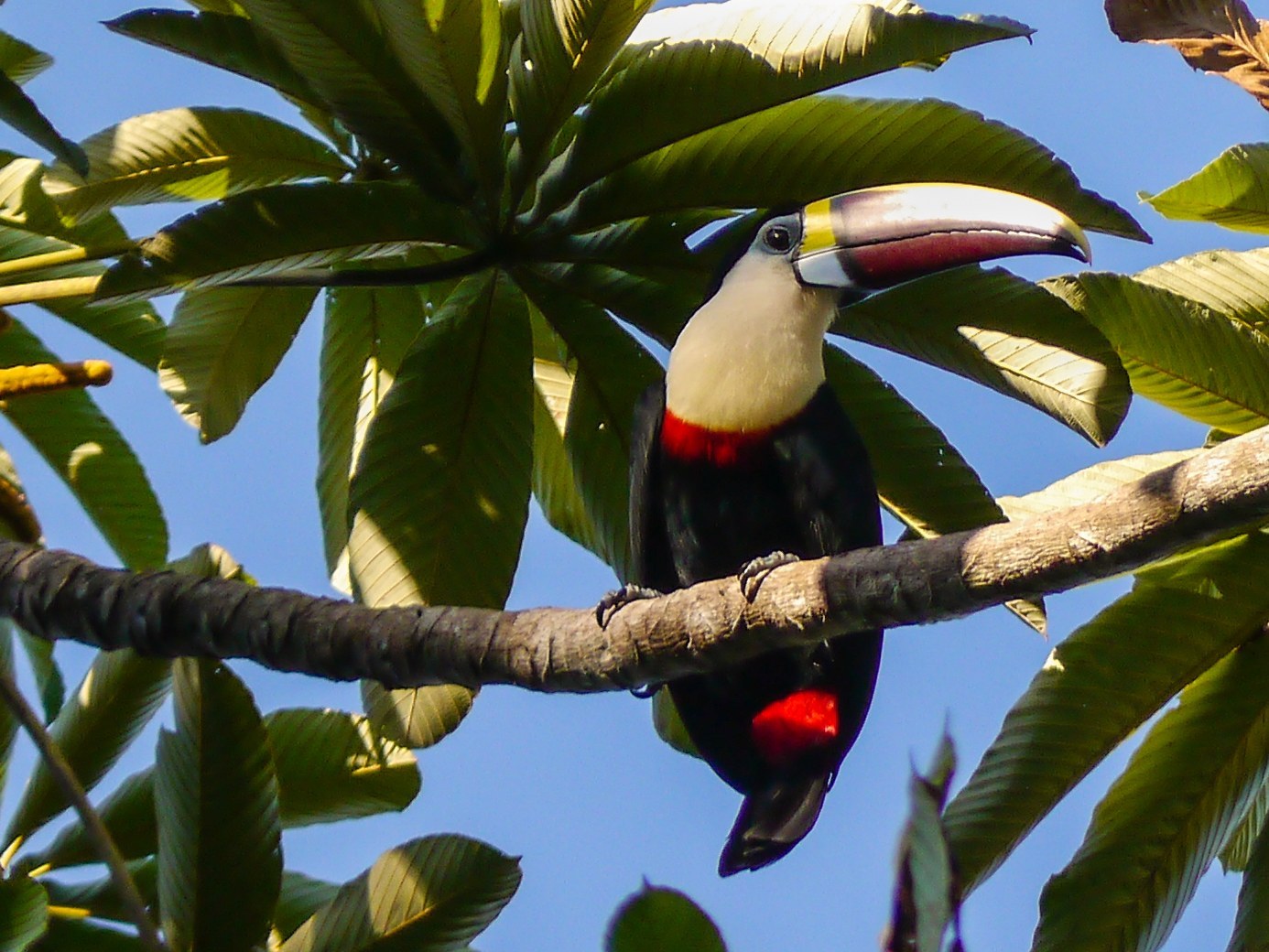
White-throated Toucan
Short rounded contour feathers, short broad wings
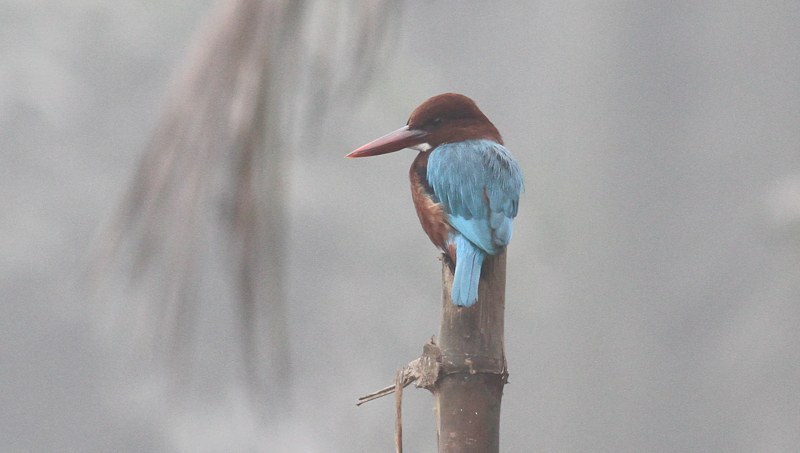
White-throated Kingfisher
Dense contour feathers; broad rounded wings

White-throated Bee-eater
Sleek, aerodynamic contour feathers; elongated central tail streamers
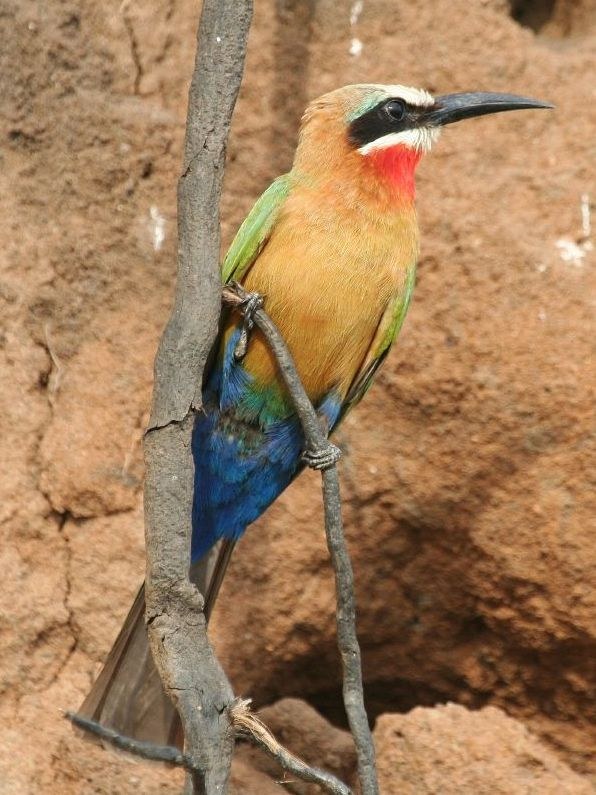
White-fronted Bee-eater
Sleek contour feathers; short tail with slight point

Southern Yellow-billed Hornbill
Slender contour feathers, moderate flight feathers
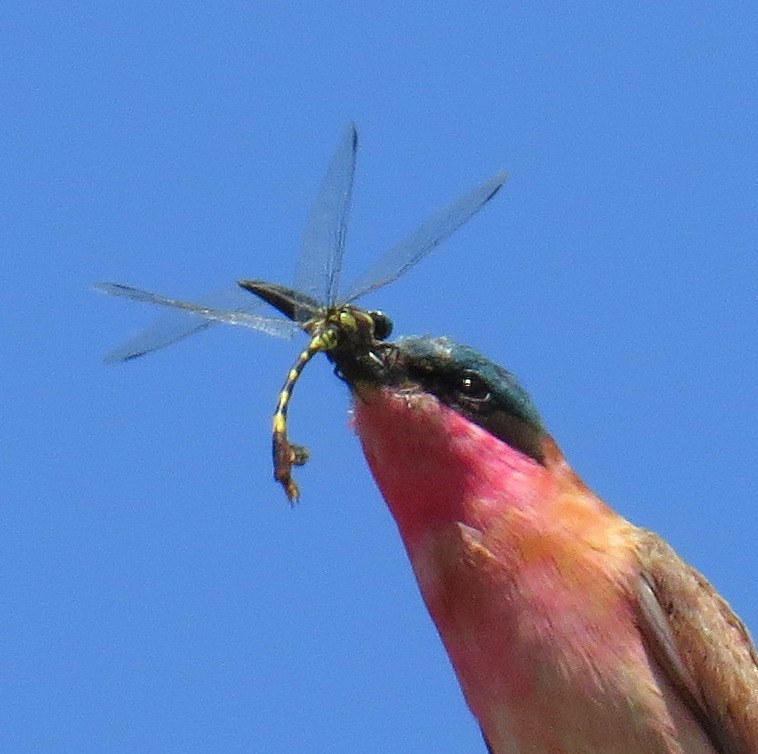
Southern Carmine Bee-eater
Sleek, pointed contour feathers; elongated central tail streamers
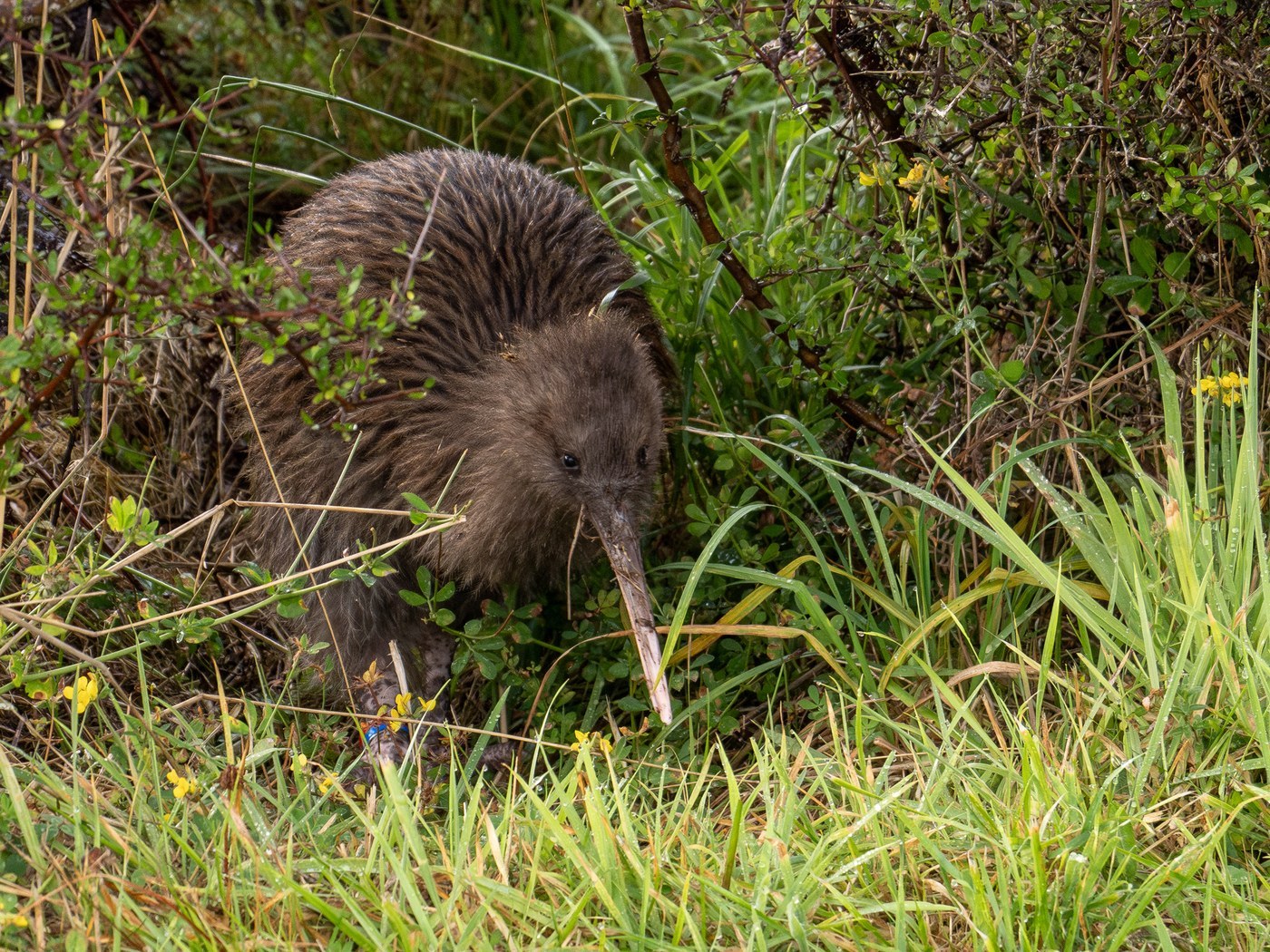
Southern Brown Kiwi
Shaggy, hair-like plumage with loose barbs lacking barbules; flightless, vestigial wings hidden beneath body feathers

Somali Ostrich
Loose, soft plumes lacking interlocking barbules

Wreathed Hornbill
Dense contour feathers, broad flight feathers

Woodland Kingfisher
Firm contour feathers; broad wing feathers